Smart Workout Diary
Dumbbell Alternating Bent-Over Reverse Fly
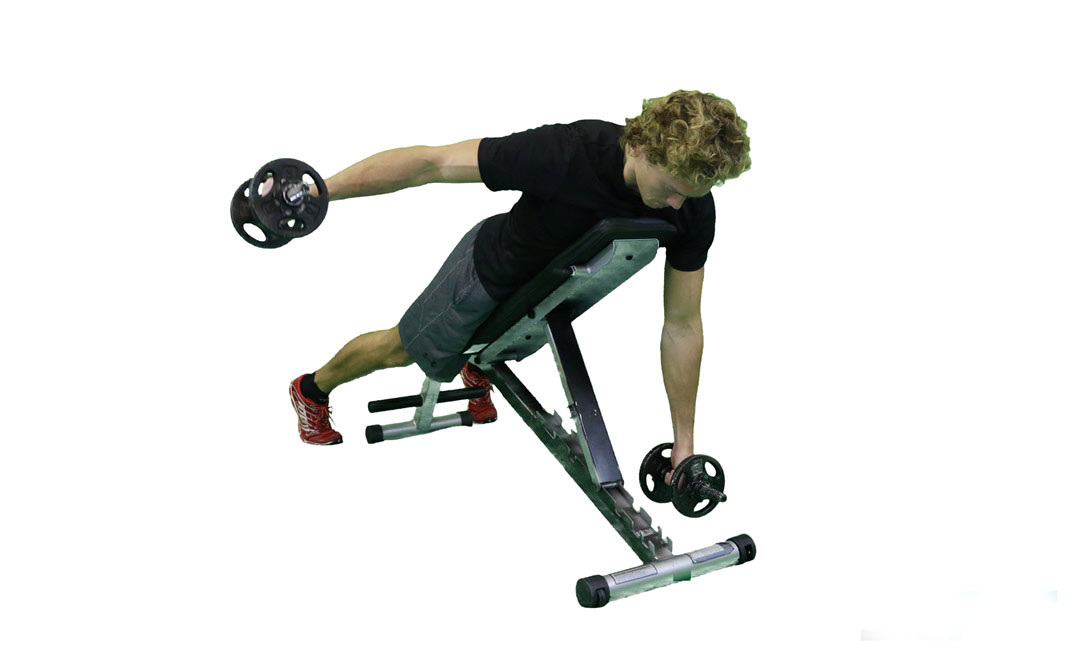
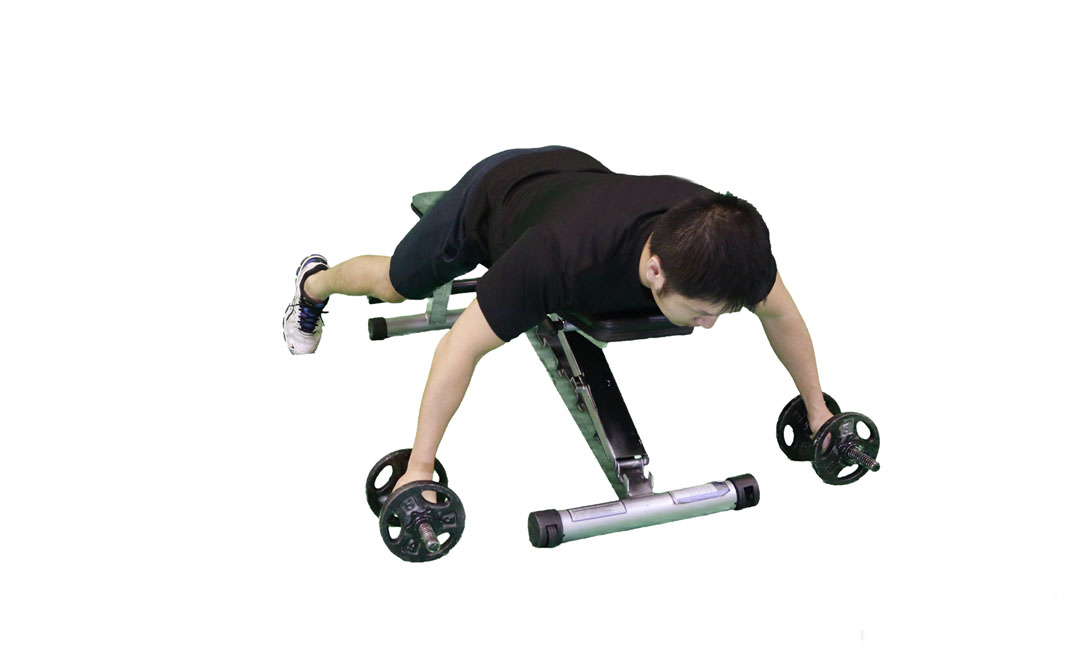
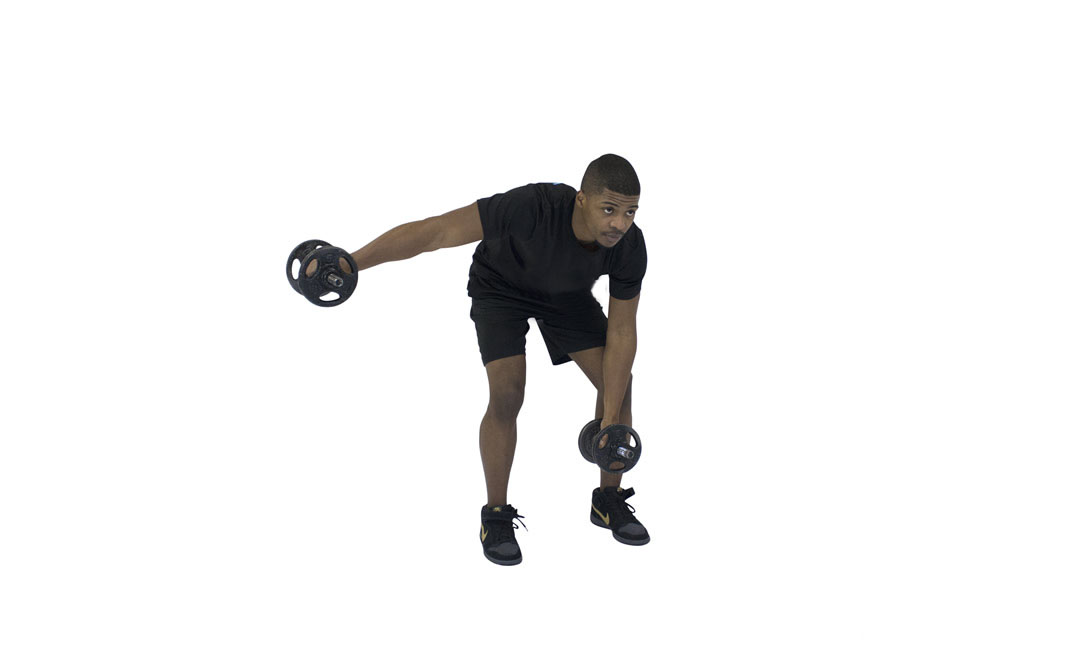
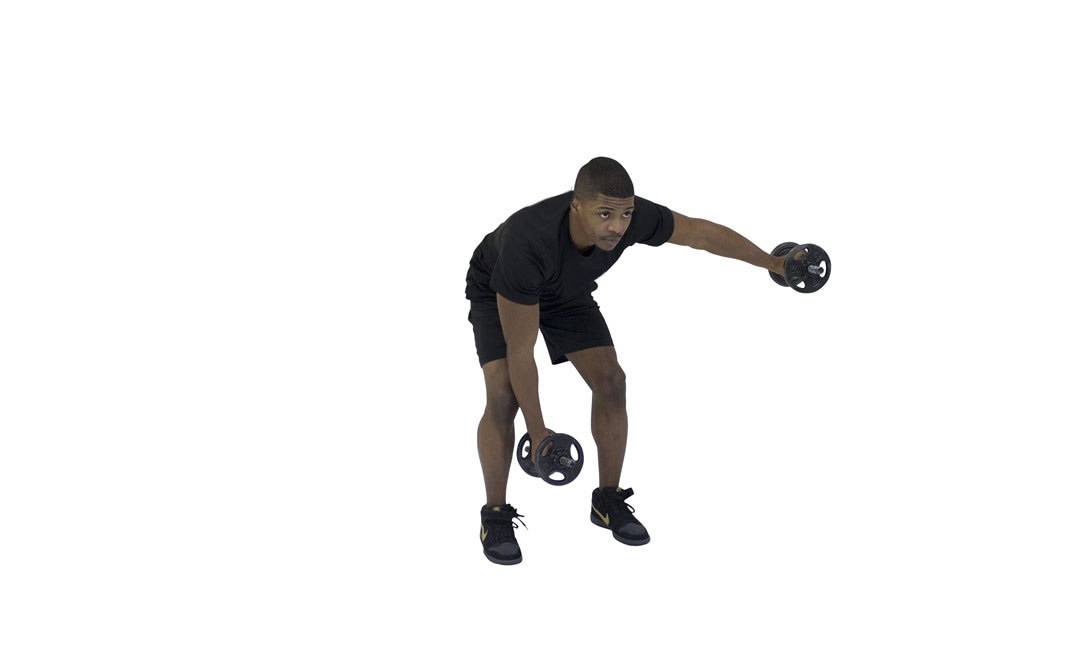
The dumbbell alternating bent-over reverse fly is a single-arm-at-a-time shoulder exercise performed with the torso hinged forward. It primarily trains the rear deltoids, with the upper back helping control the shoulder blades. It supports shoulder balance, upper-back strength, and pulling posture when performed with light, controlled resistance.
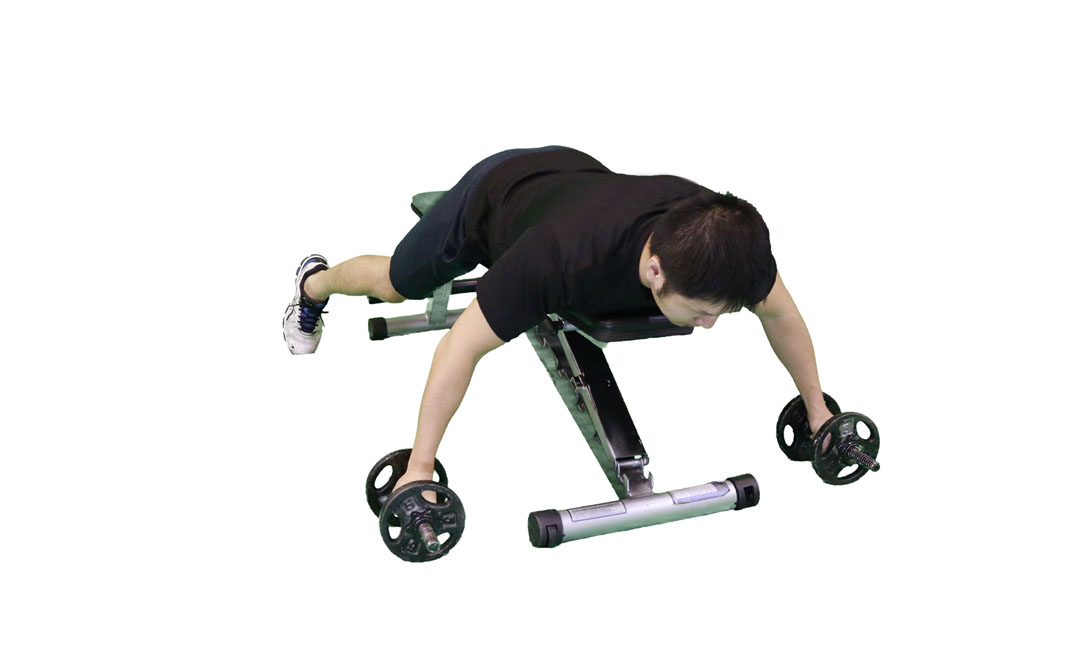
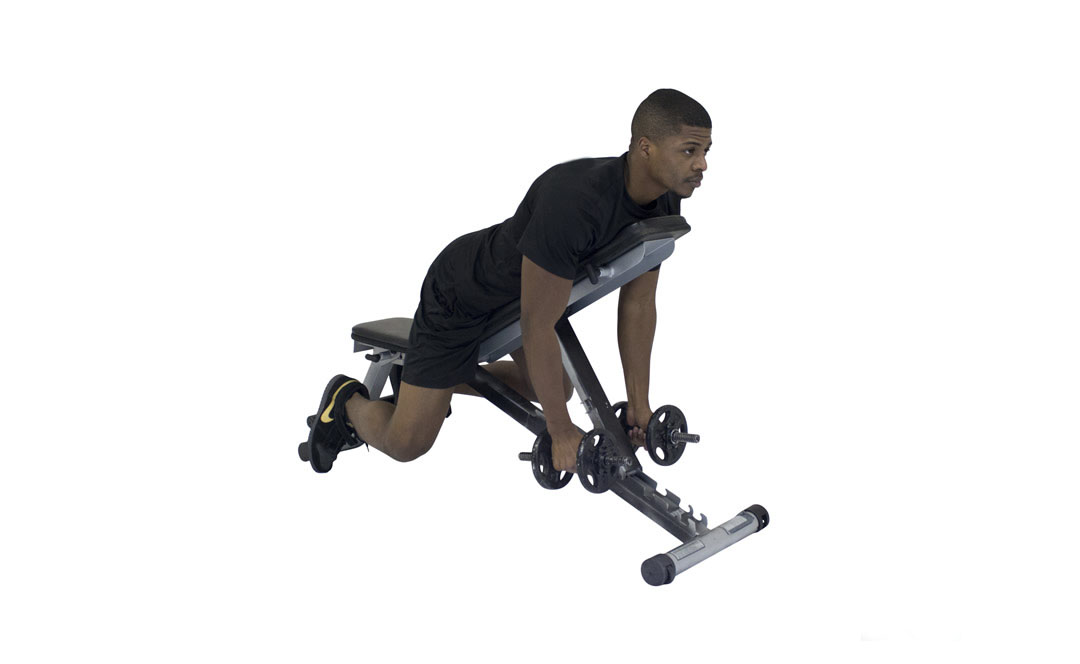
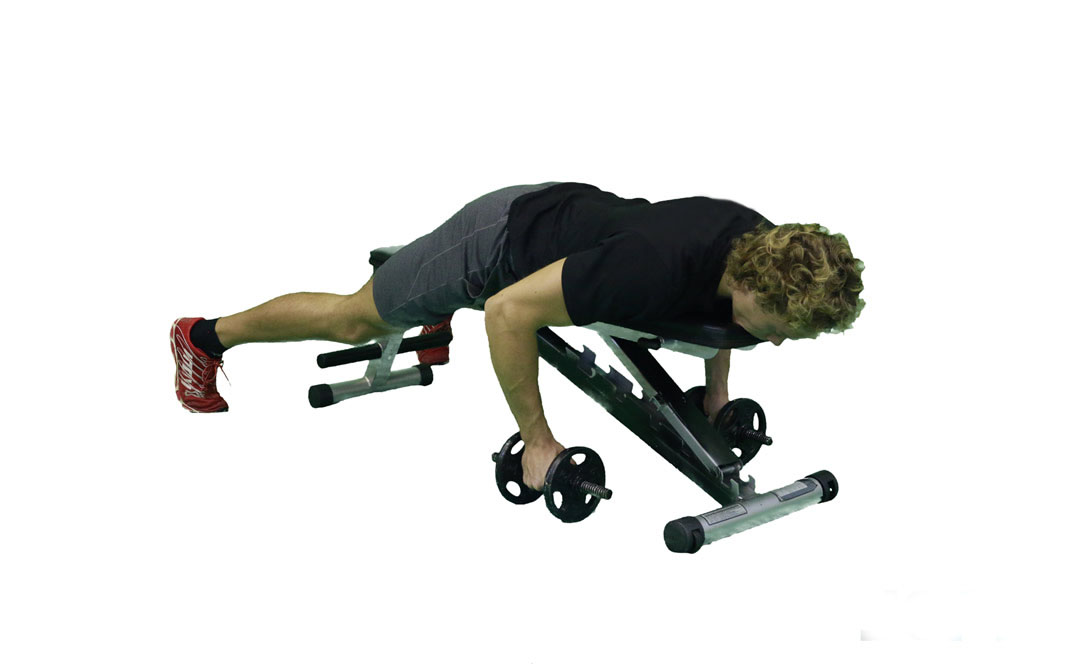
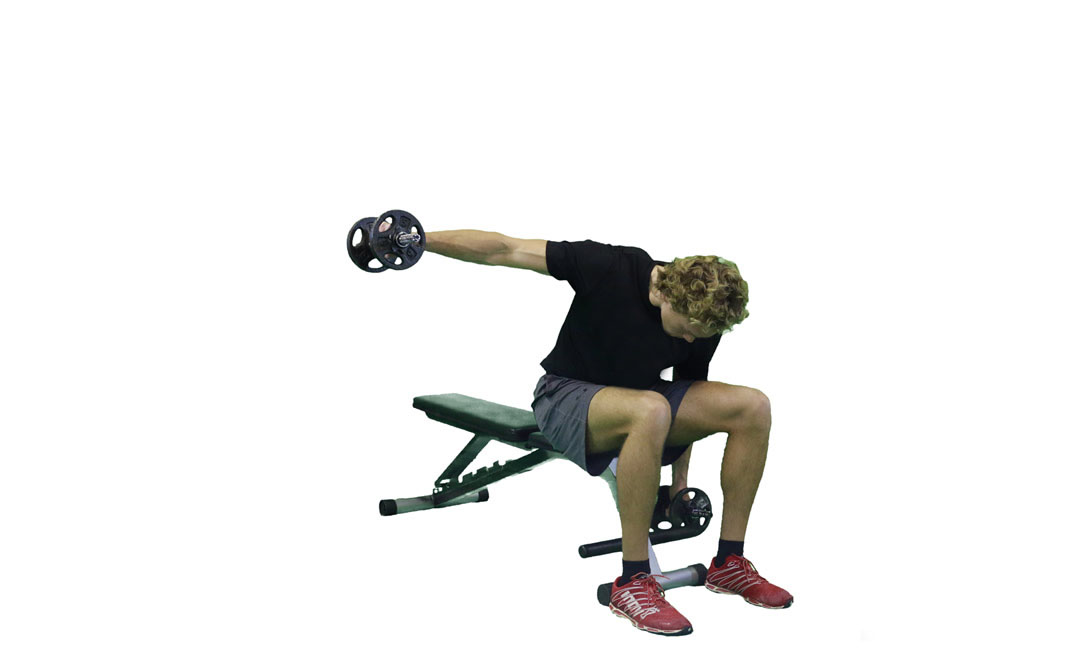
Demonstration
Instructions
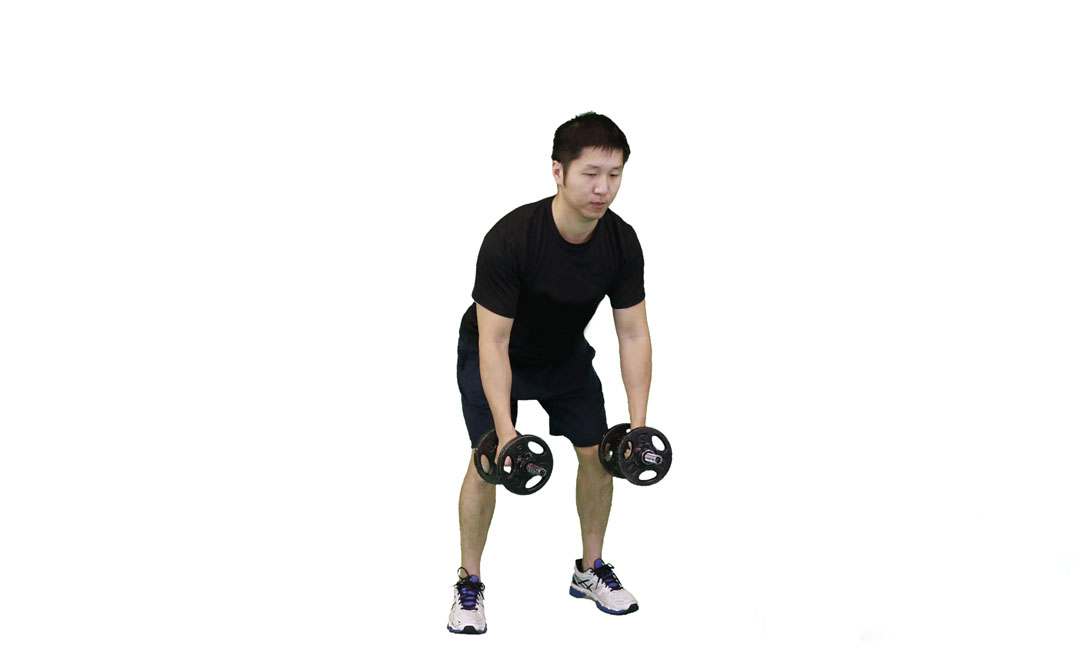
- Set up: Hold a dumbbell in each hand, stand with feet about hip-width apart, and soften your knees.
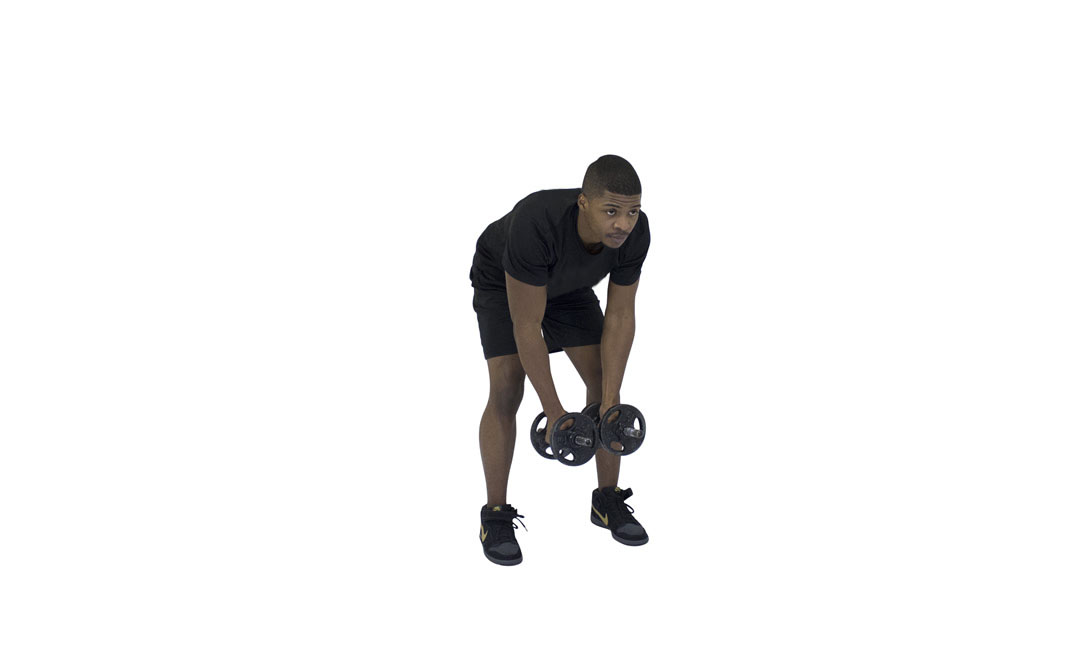
- Hinge forward: Push your hips back until your torso is close to parallel with the floor. Keep your spine long, neck neutral, and arms hanging below your shoulders with palms facing each other.
- Raise one arm: Keeping a slight bend in the elbow, lift one dumbbell out to its side until the upper arm is roughly in line with the torso. Lead with the elbow and keep the shoulder down away from the ear.
- Control the return: Lower the dumbbell slowly to the start without twisting your torso or swinging the weight.
- Alternate sides: Repeat with the other arm, maintaining the same hinged position and a quiet, stable torso throughout the set.
- Finish safely: Use a light load that allows full control. End the set if you cannot keep your back neutral or feel sharp discomfort.