Smart Workout Diary
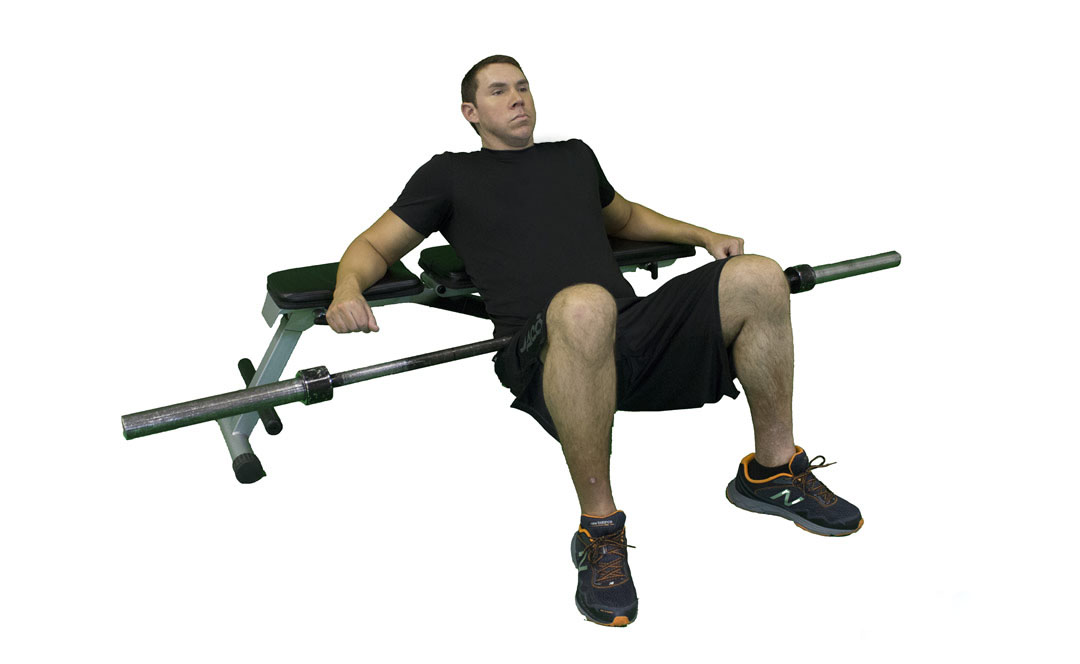
Barbell Kneeling Jump Squat
The barbell kneeling jump squat is an advanced plyometric exercise performed by explosively moving from a tall kneeling position into a squat landing while holding a barbell across the upper back. It primarily develops glute and leg power, with substantial demand on the quadriceps, hamstrings, and trunk control. It can support lower-body explosiveness and athletic power when performed with a very light, controlled load.
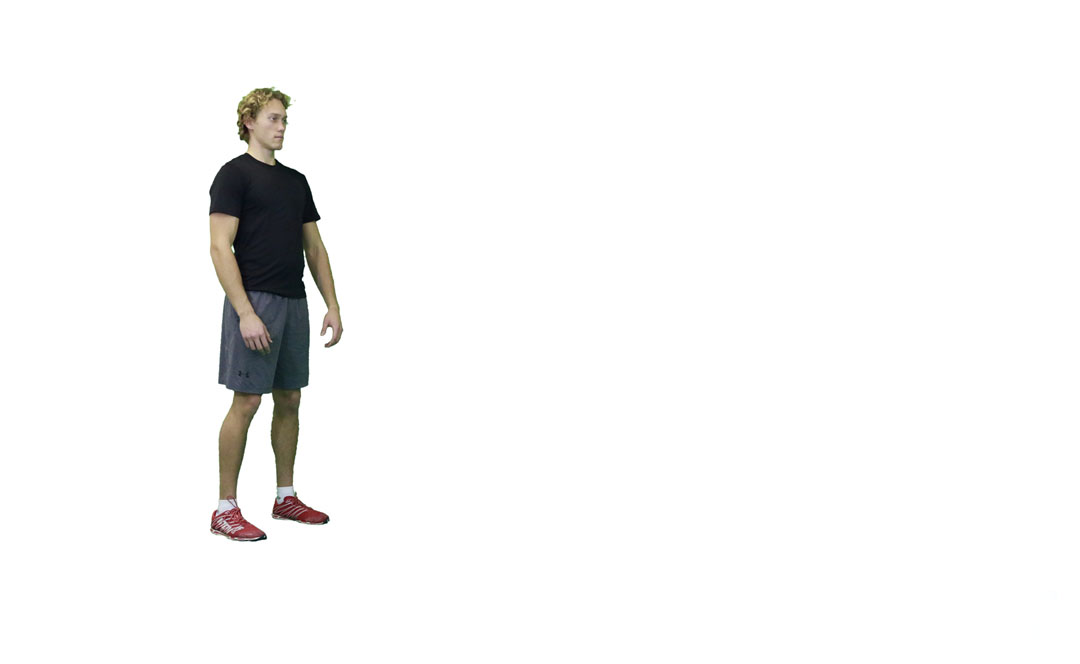
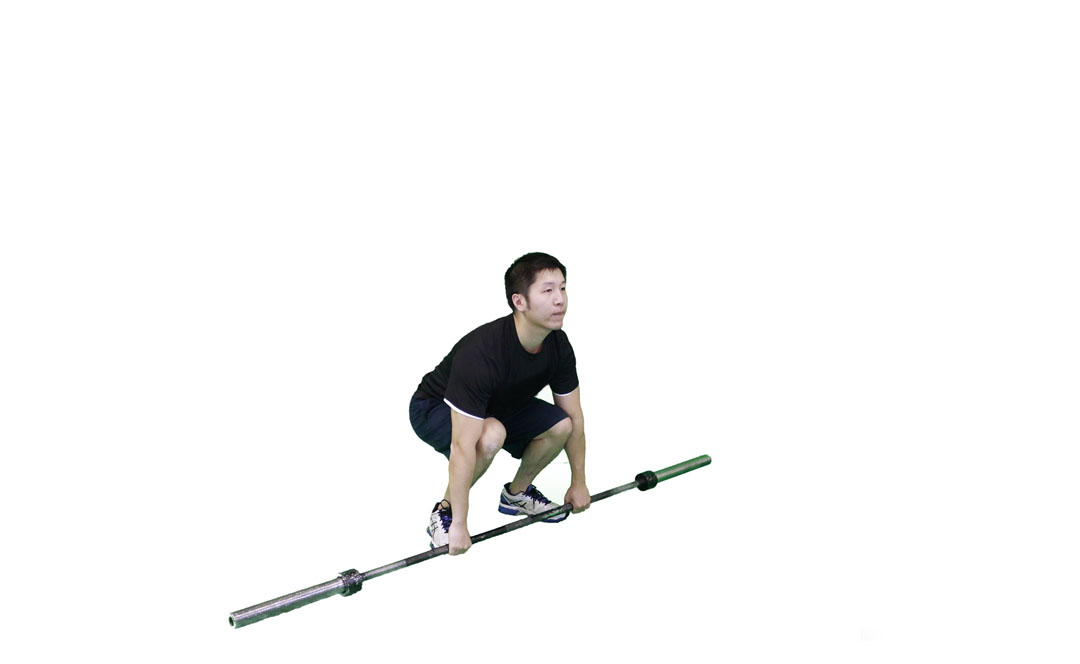
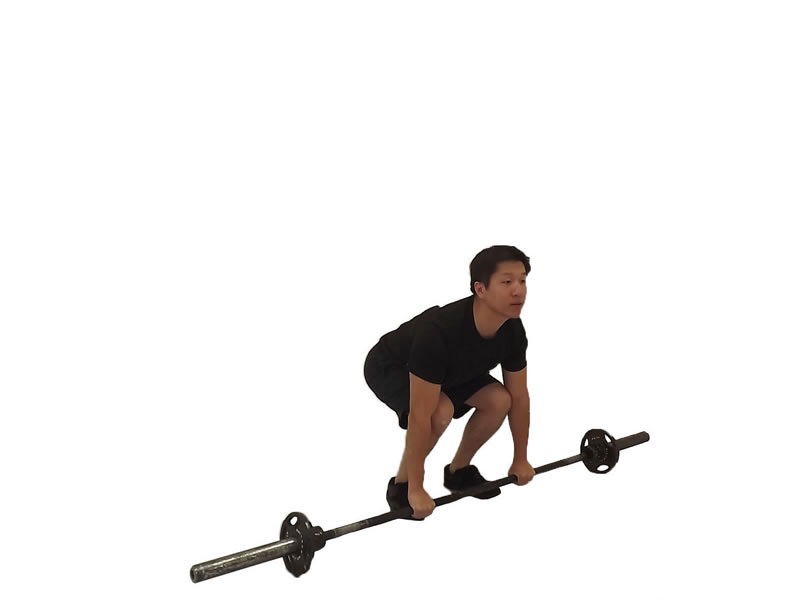
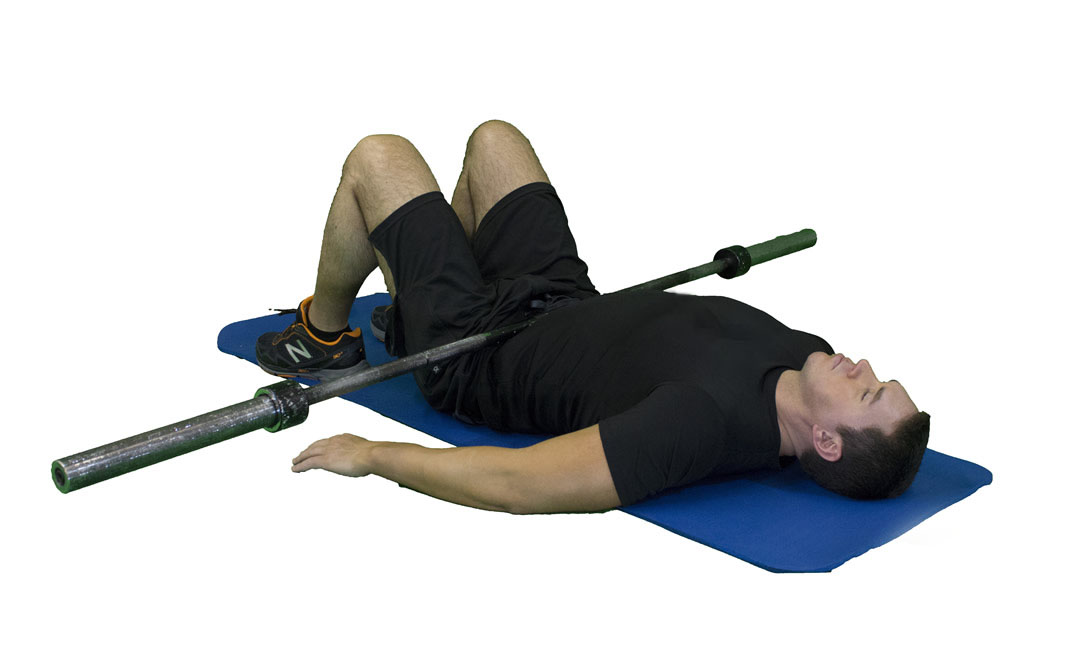
Demonstration
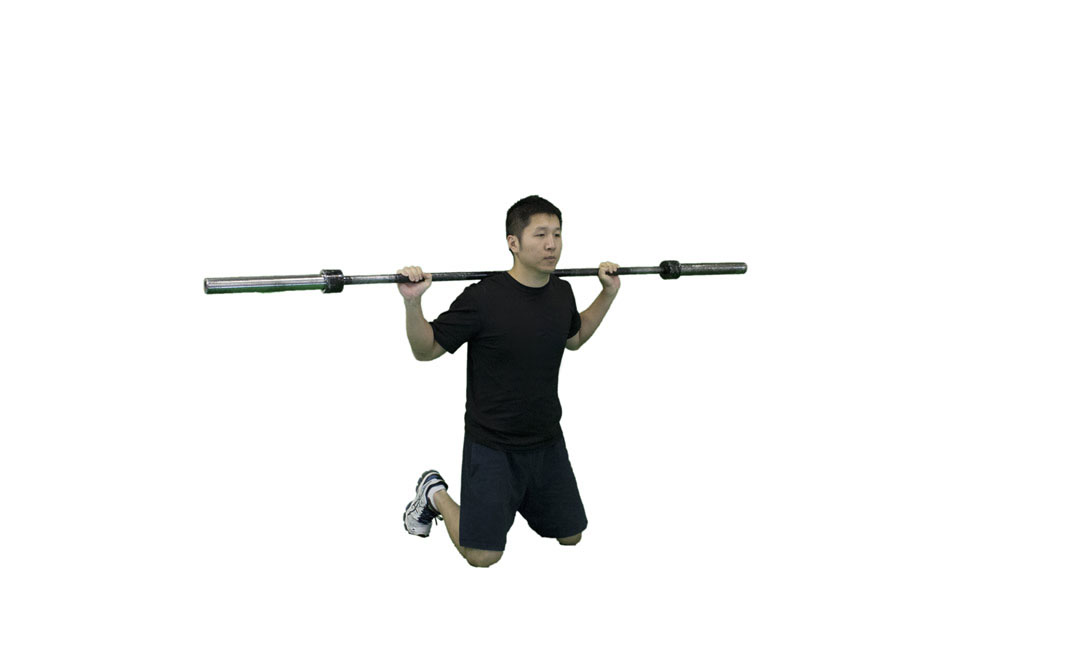
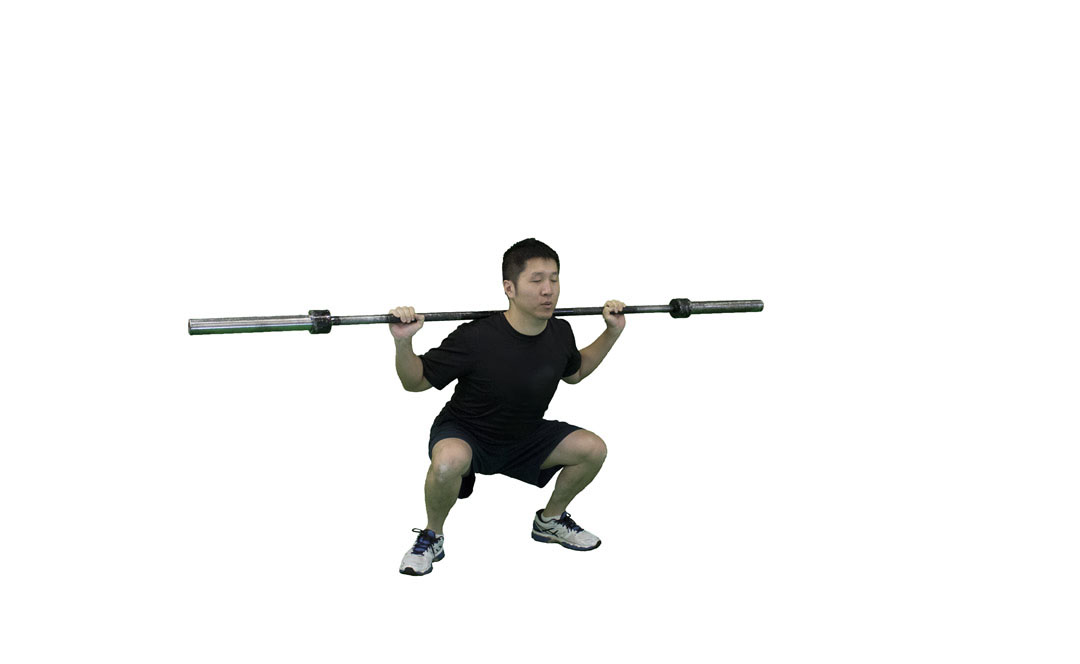
Instructions
- Set up safely: Use an empty or very light barbell and a clear, non-slip surface. Position safety supports or trained supervision if available.
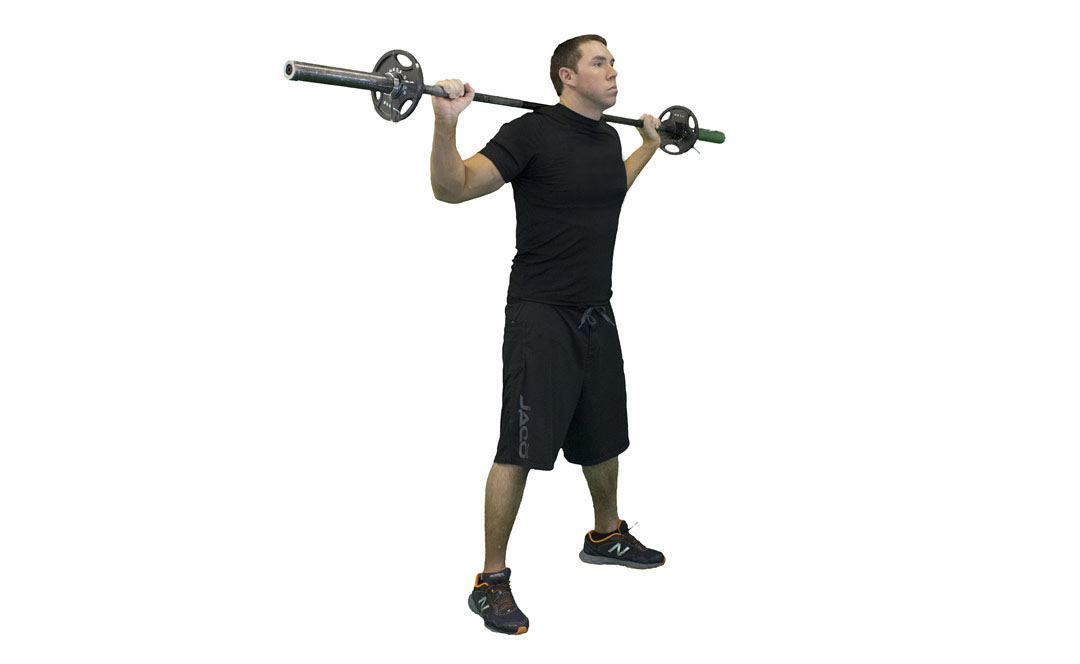
- Take a tall-kneeling position: Kneel with the knees about hip-width apart and the toes pointed or tucked comfortably behind you. Rest the barbell securely across the upper back, not the neck, and hold it with a stable grip.
- Brace: Keep your chest tall, ribs controlled, and core braced. Keep the bar level and look forward rather than up.
- Jump forward to your feet: Drive the hips forward and extend the hips and knees explosively, bringing both feet underneath you. Keep the bar close to its starting position and avoid twisting.
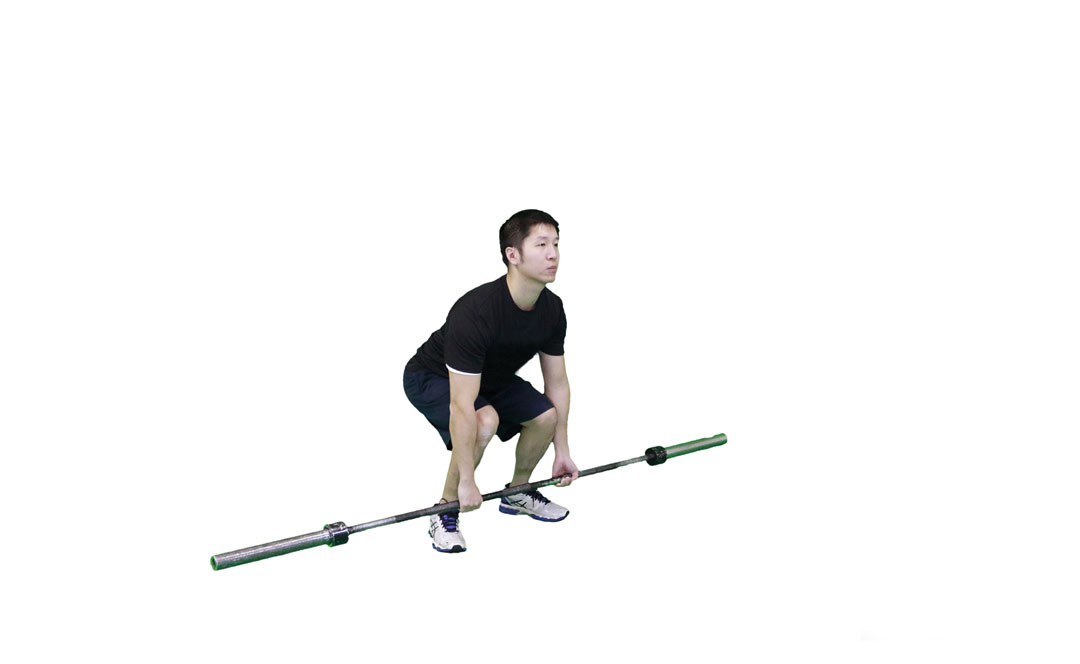
- Land in a squat: Land softly on both feet in a balanced squat with knees tracking in line with the toes. Absorb the landing through the hips, knees, and ankles while maintaining a neutral spine.
- Reset before repeating: Stand only if needed to regain control, then carefully return to the kneeling start. Stop immediately if you cannot land quietly, symmetrically, and under control.