Smart Workout Diary
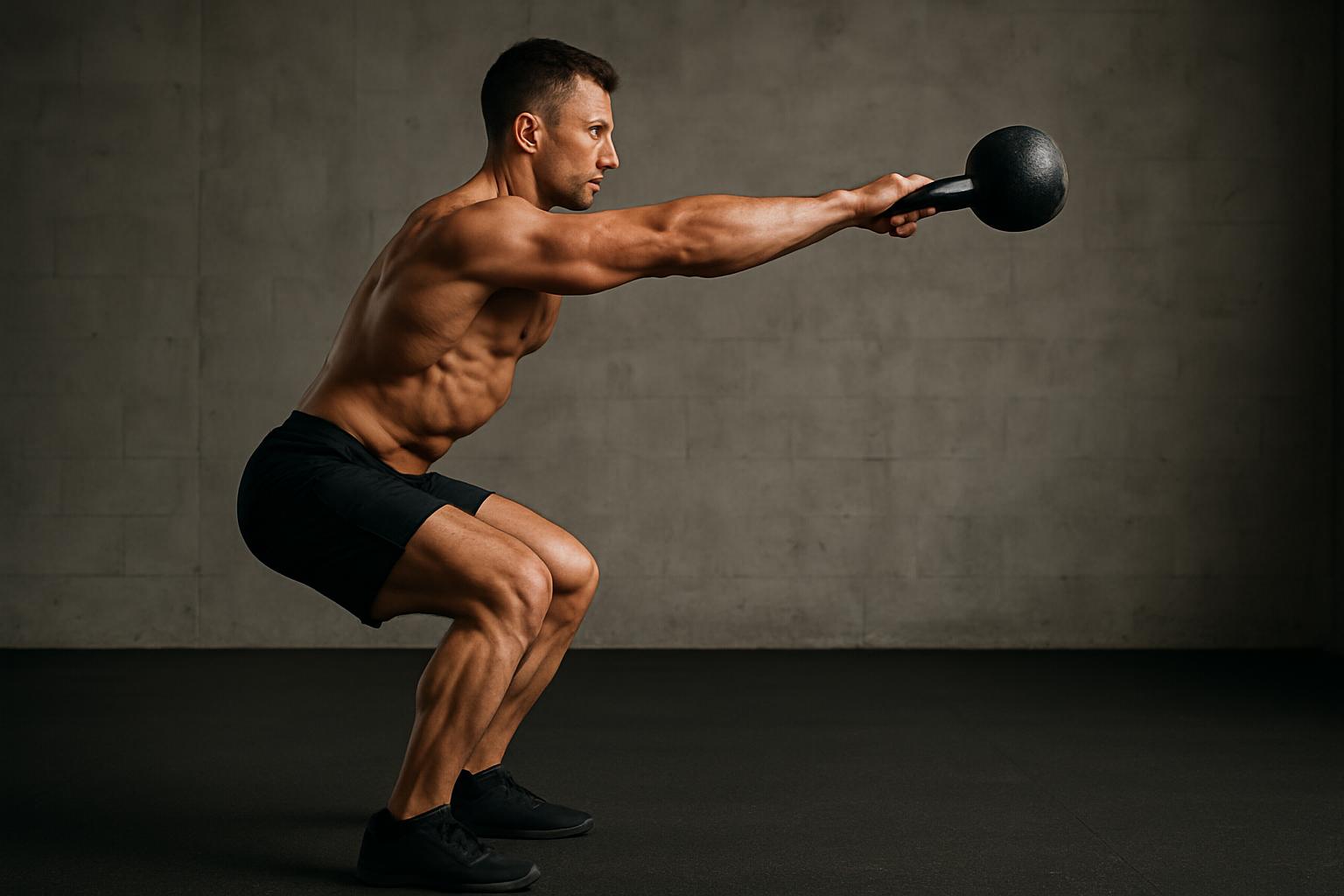
Kettlebell Swing
The kettlebell swing is a hip-hinge exercise in which a kettlebell is driven forward by a powerful extension of the hips. It primarily trains the glutes and hamstrings while involving the core, back, and shoulders for control. It supports posterior-chain strength, hip power, and cardiovascular conditioning when performed in repeated sets.
Demonstration
Instructions
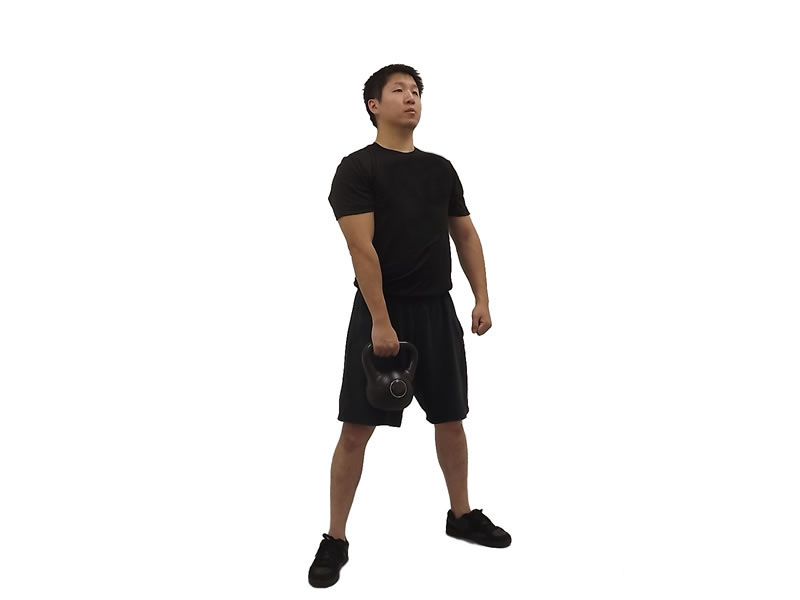
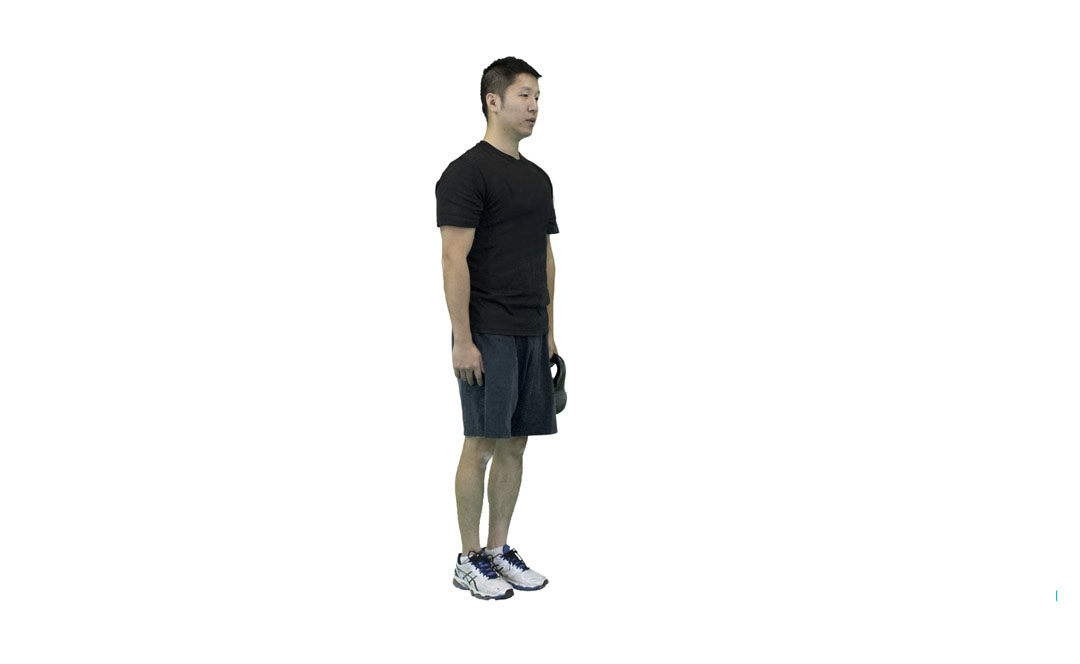
- Set up: Stand with feet about shoulder-width apart, with the kettlebell on the floor slightly in front of you. Brace your core and keep your spine neutral.
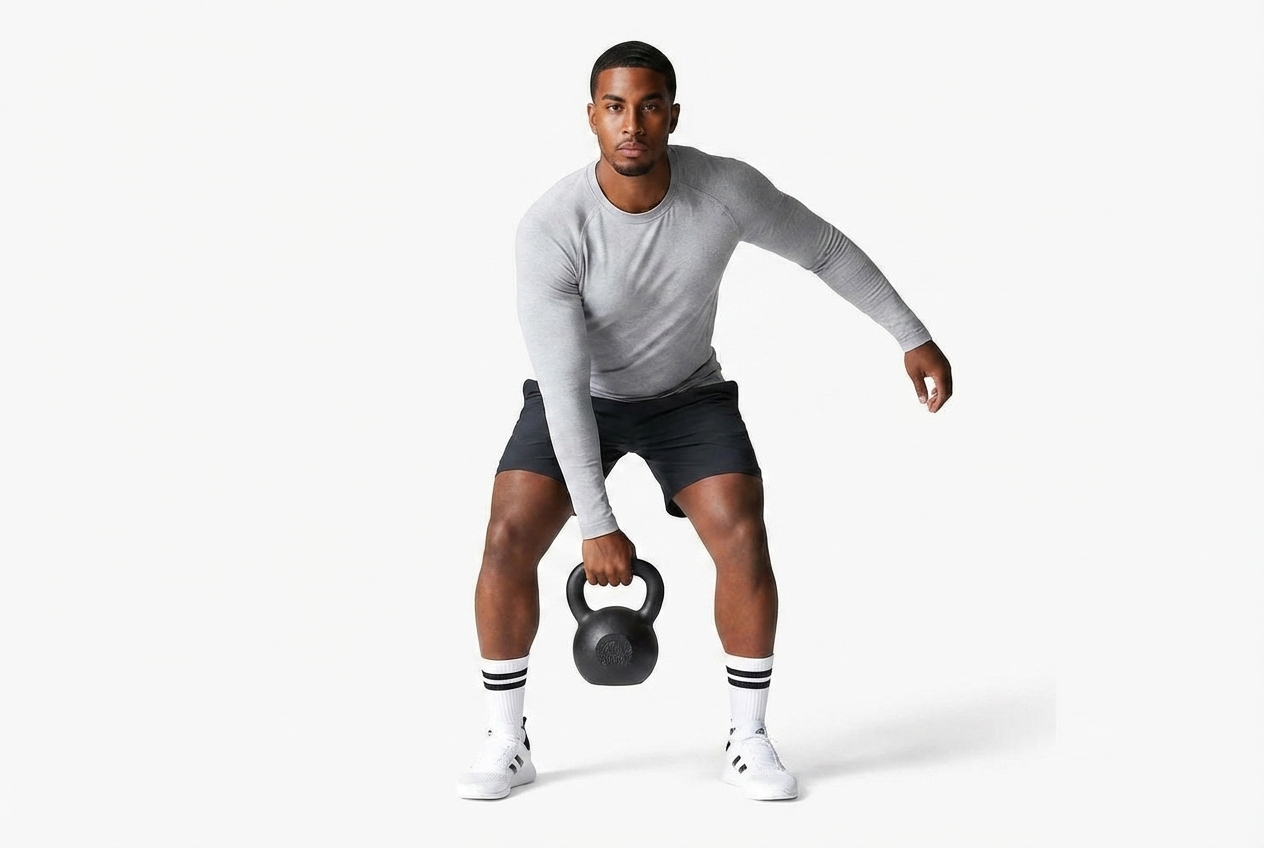
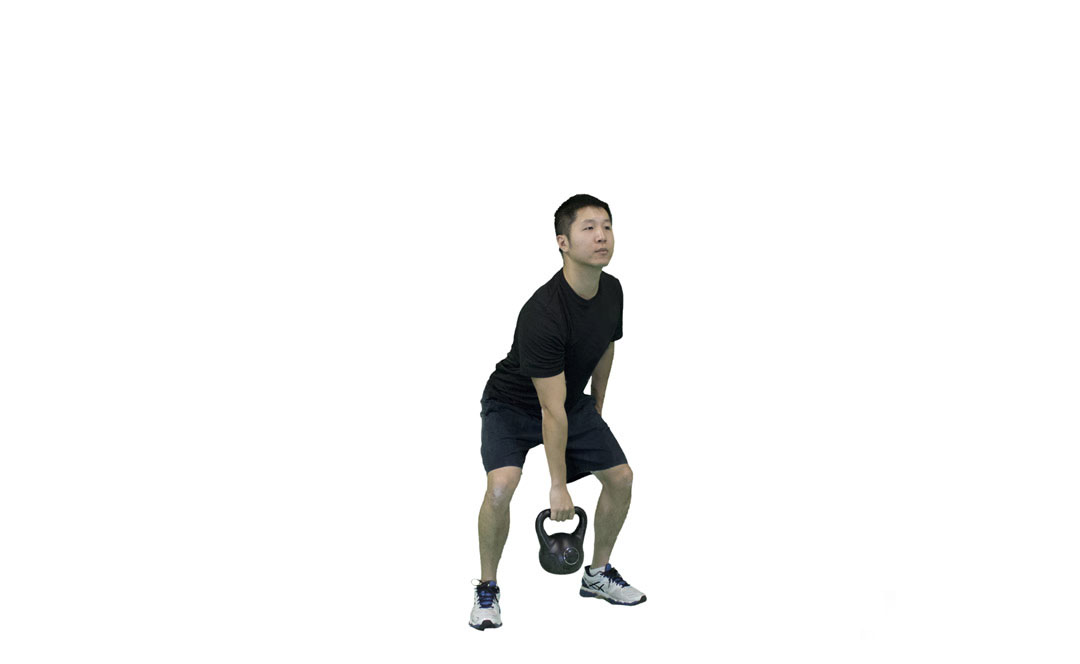
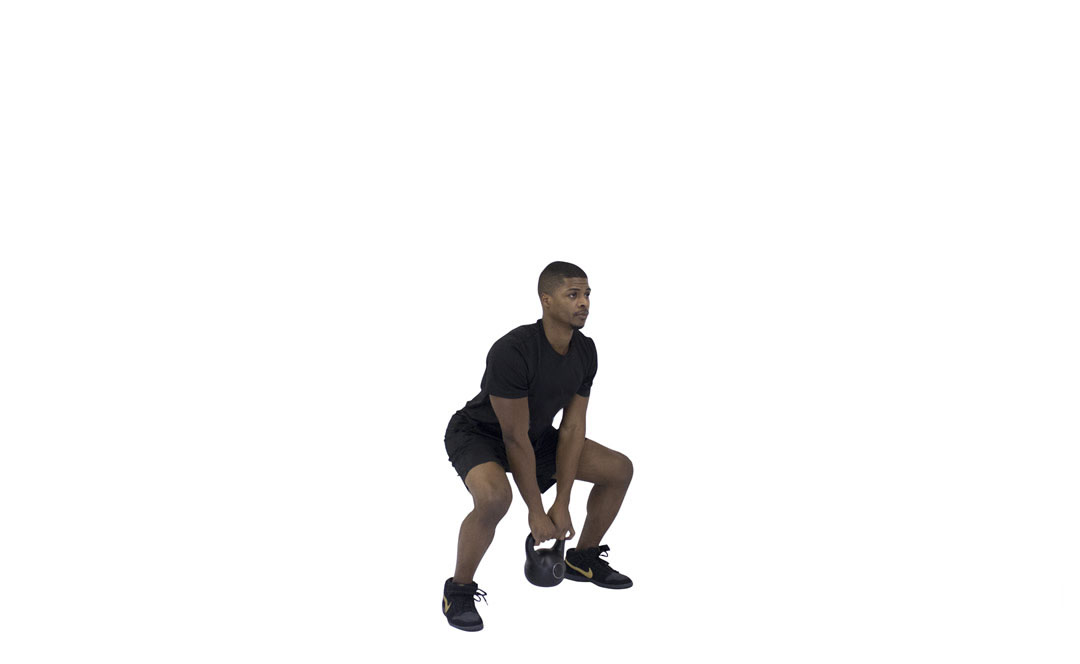
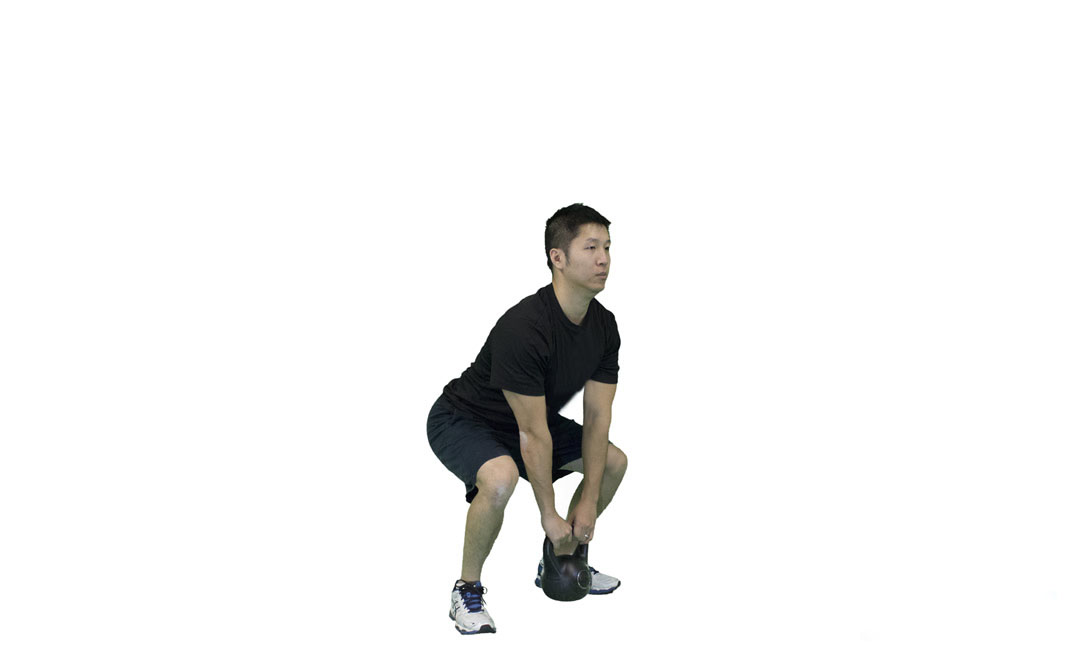
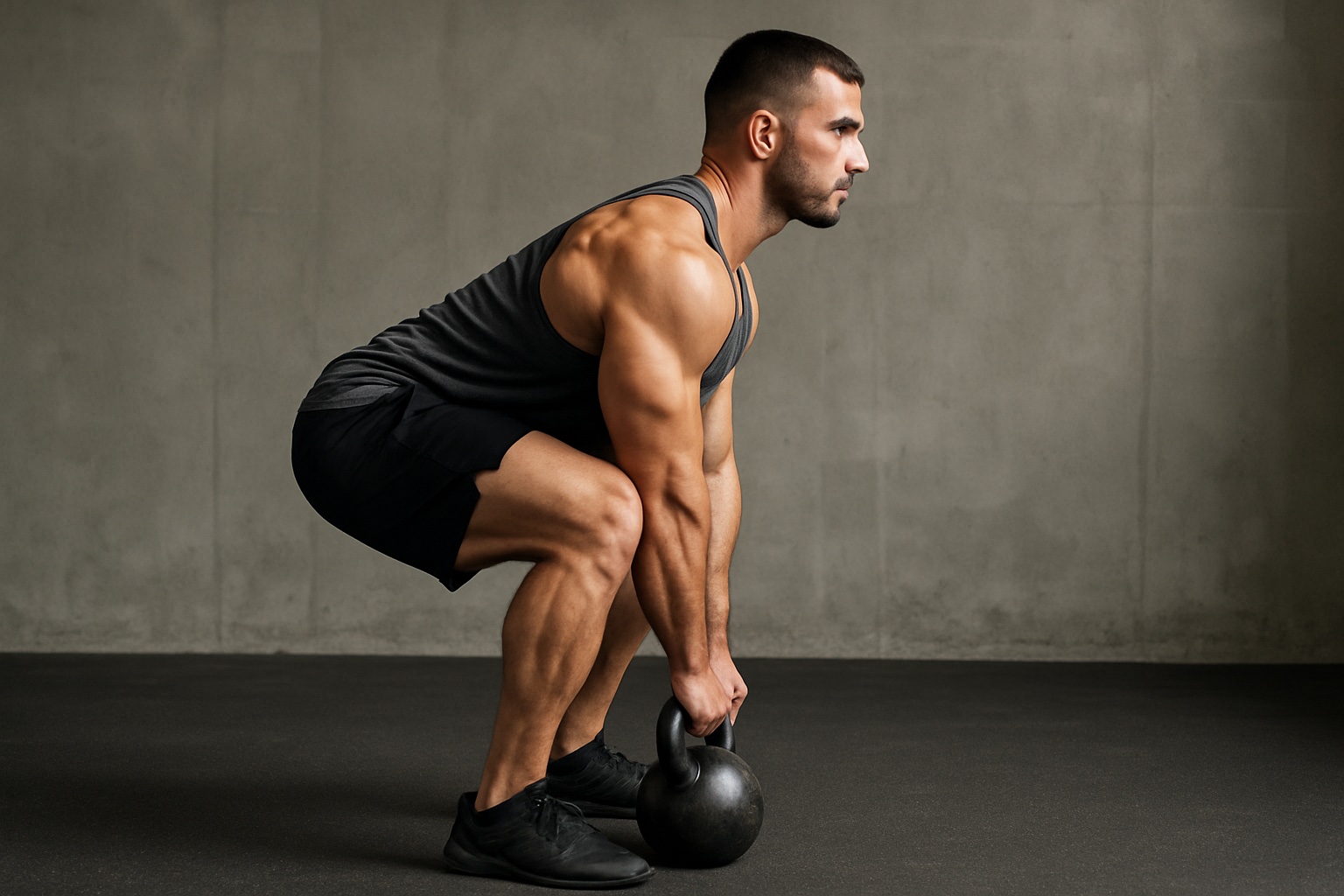
- Grip and hinge: Push your hips back, bend your knees slightly, and grip the handle with both hands. Keep your shoulders packed and your shins nearly vertical.
- Hike the bell: Pull the kettlebell back between your thighs like a football hike, keeping it close to the body. Maintain a long, neutral back rather than squatting deeply.
- Drive with the hips: Forcefully extend your hips and straighten your legs to swing the bell forward to about chest height. Let the arms act as relaxed guides; do not lift the bell with the shoulders.
- Control the return: Allow the bell to fall, then hinge at the hips and guide it back between the thighs while keeping your core braced.
- Finish safely: After the final repetition, let the bell swing back, reduce its momentum, and place it on the floor in front of you with control. Stop if you cannot maintain a neutral spine or secure grip.