Smart Workout Diary
Kettlebell One-Arm Swing
The kettlebell one-arm swing is a powerful hip-hinge exercise in which one hand swings a kettlebell forward to about chest height. It primarily trains the glutes and hamstrings while challenging the core, upper back, grip, and cardiovascular conditioning. It supports hip power, full-body work capacity, and athletic conditioning.
Demonstration
Instructions
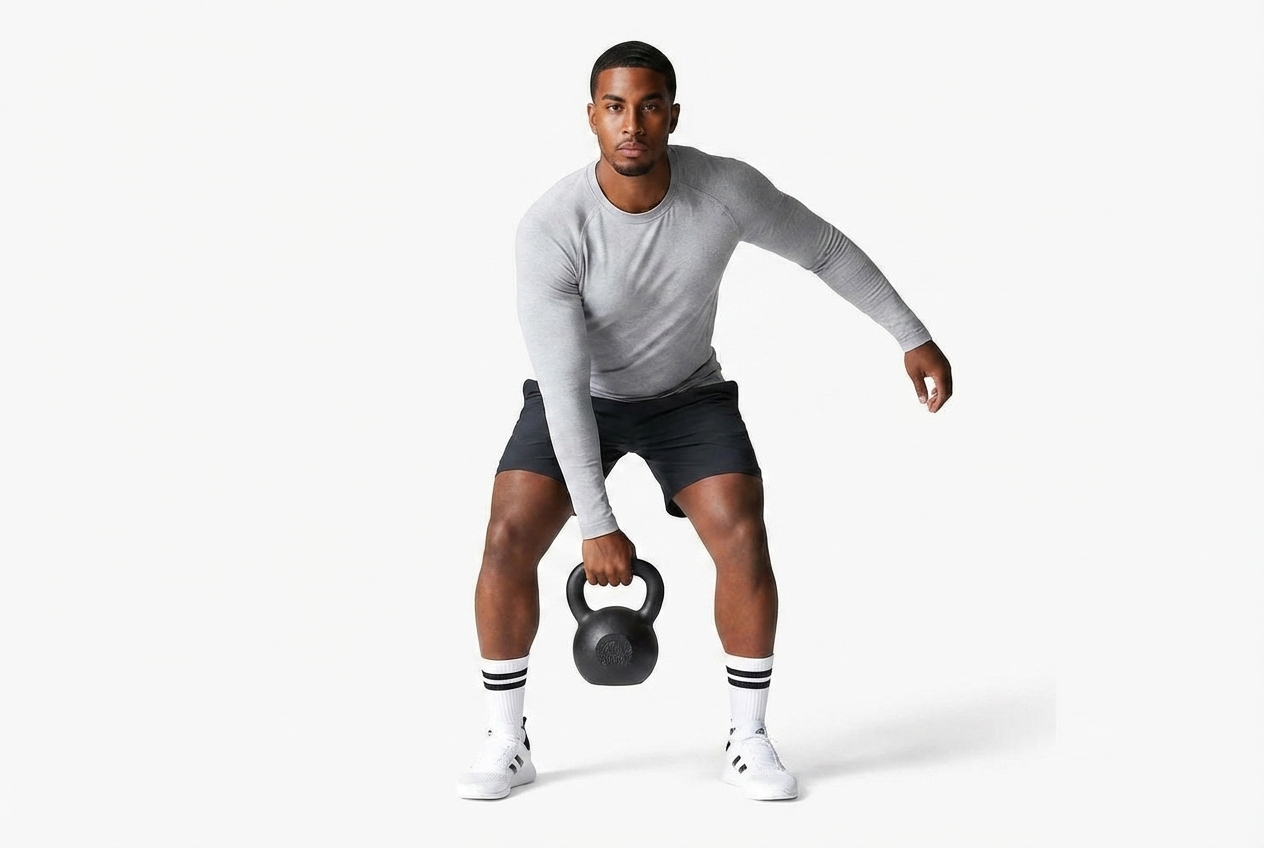
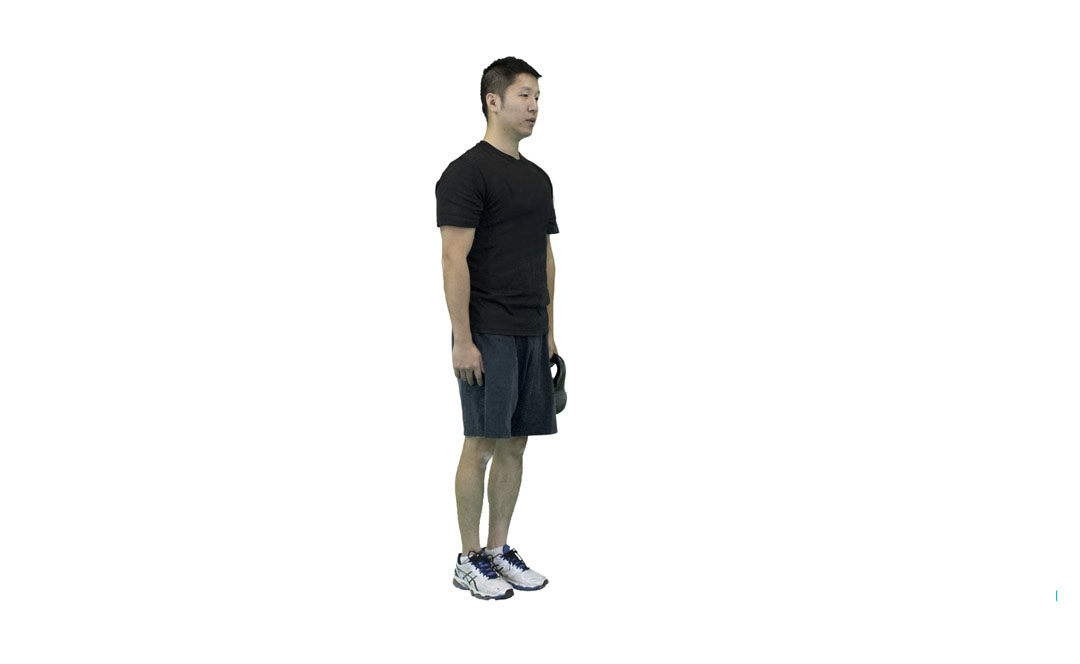
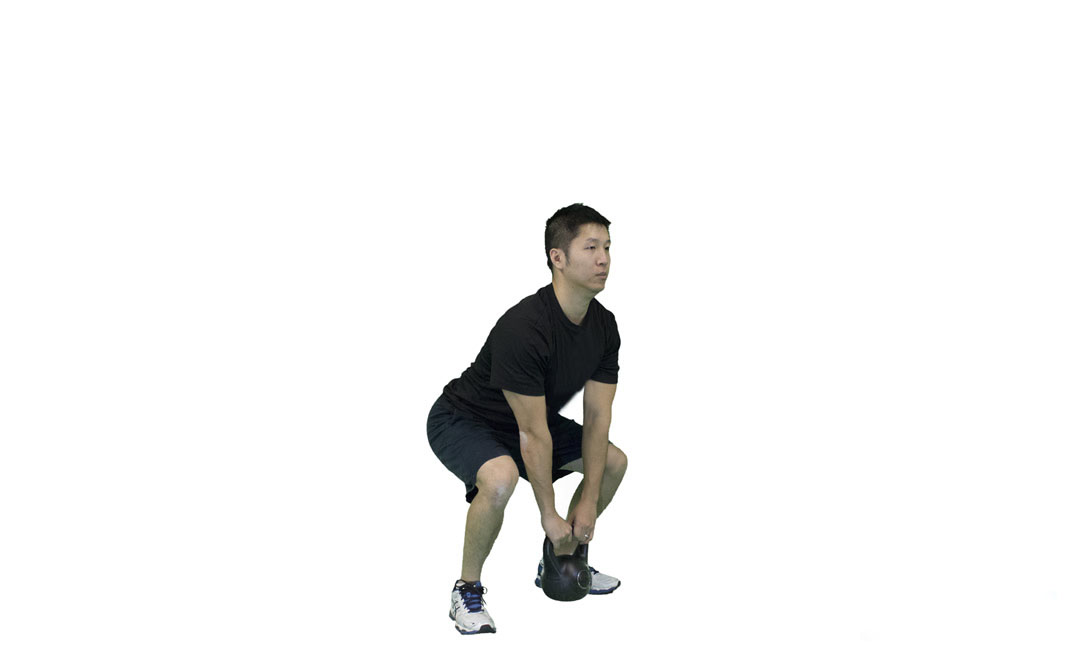
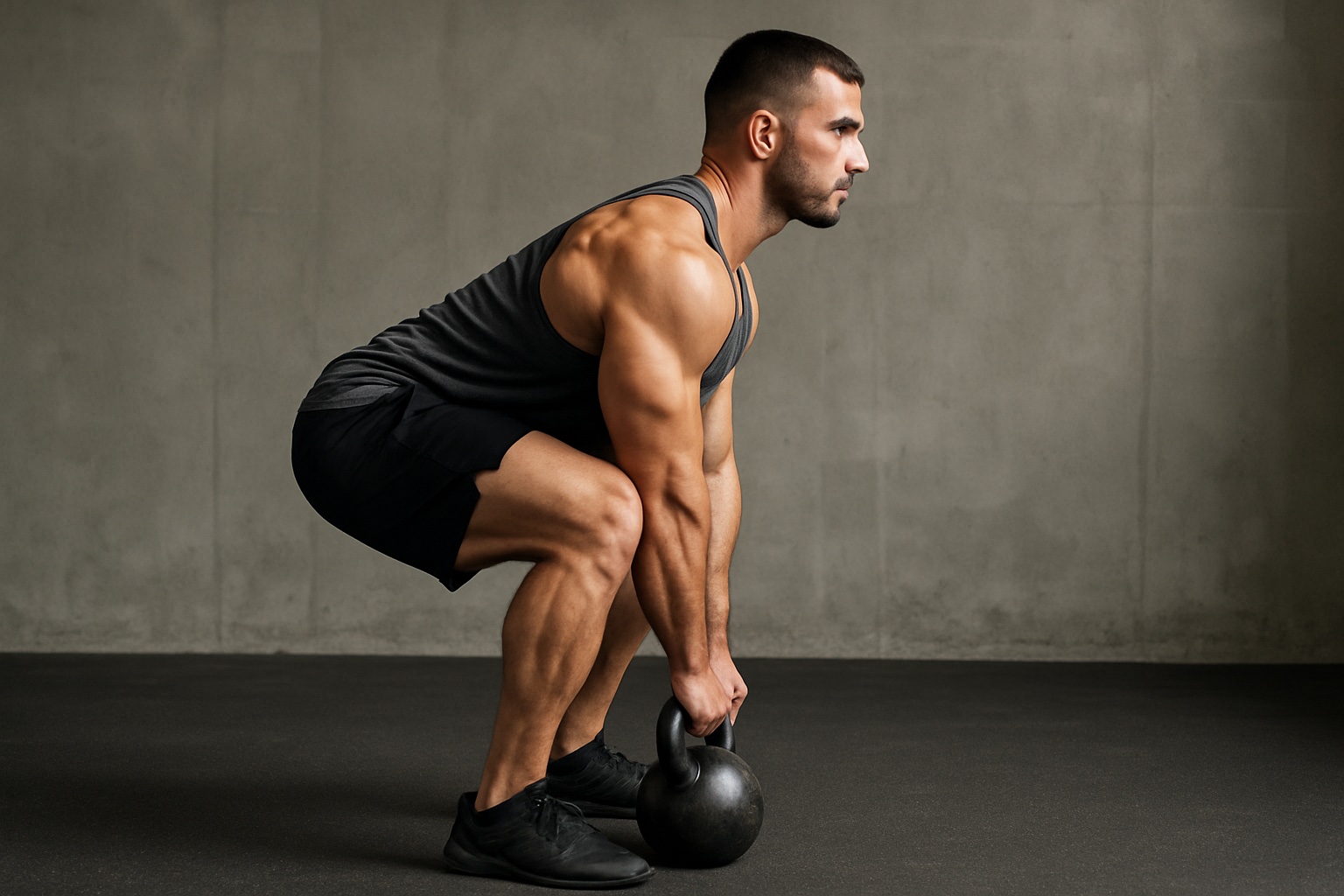
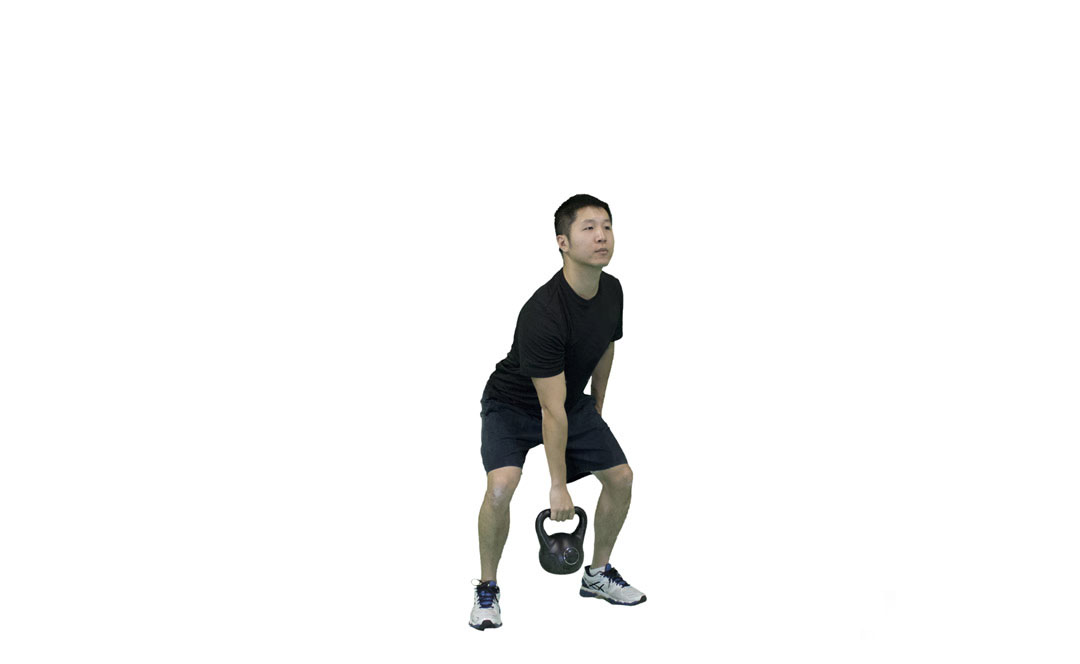
- Set up with a kettlebell on the floor slightly in front of you. Stand with feet about shoulder-width apart, then hinge at the hips with a neutral spine and grip the handle with one hand.
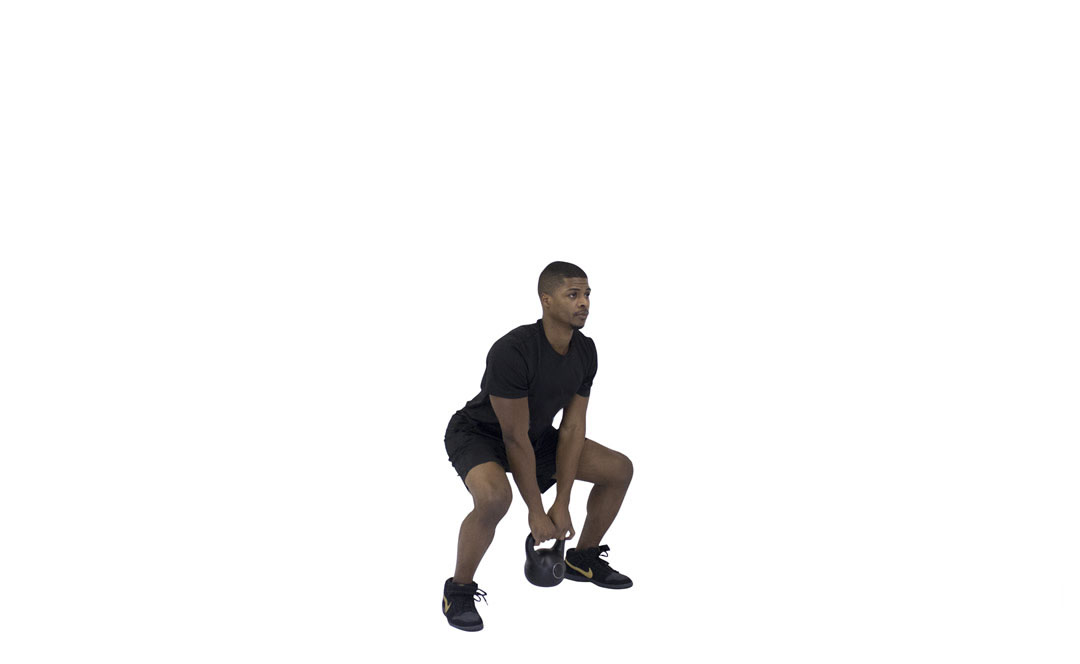
- Hike the bell back between your thighs by pulling it back close to the groin. Keep the working arm long, pack the shoulder, and keep the free arm out of the bell’s path.
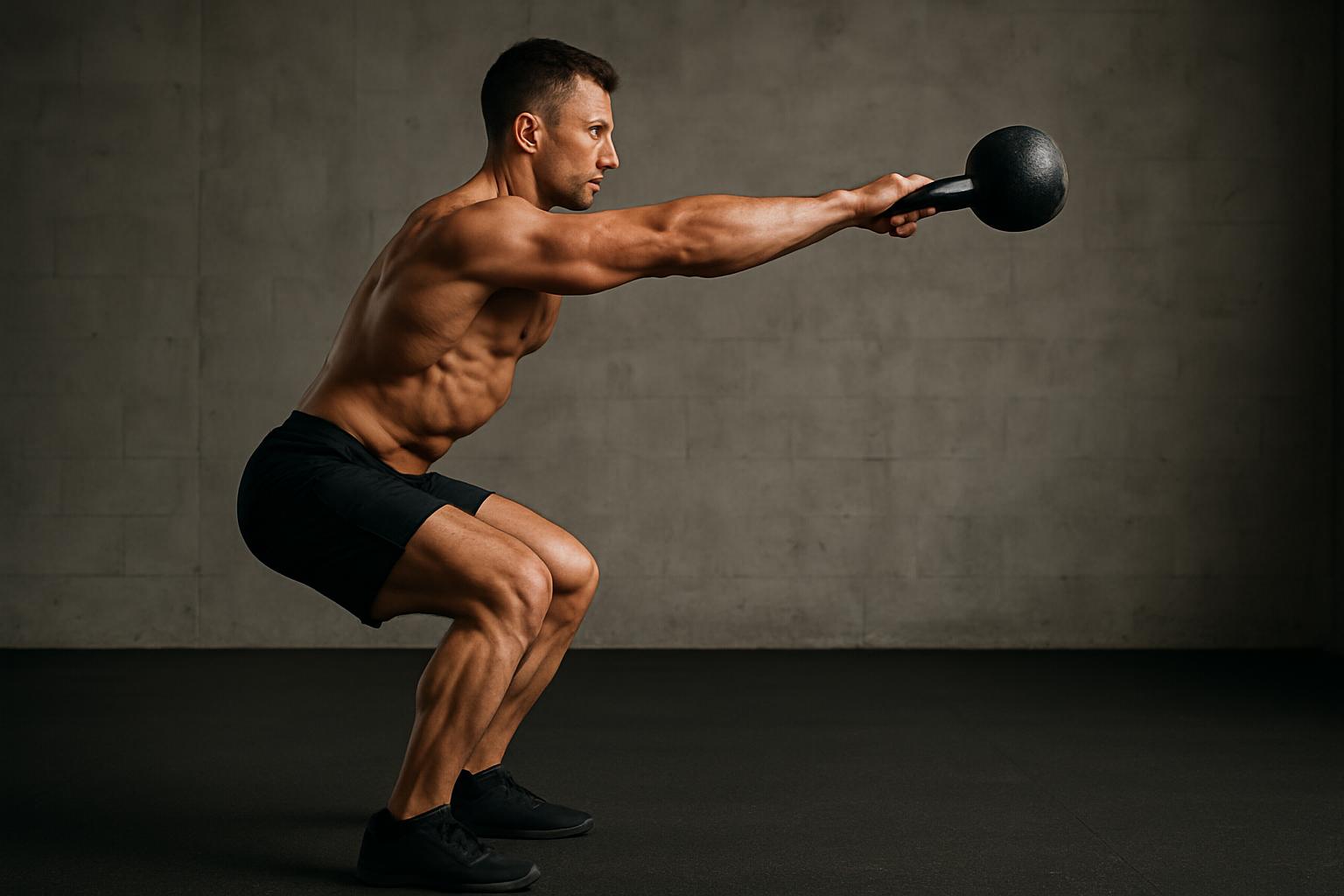
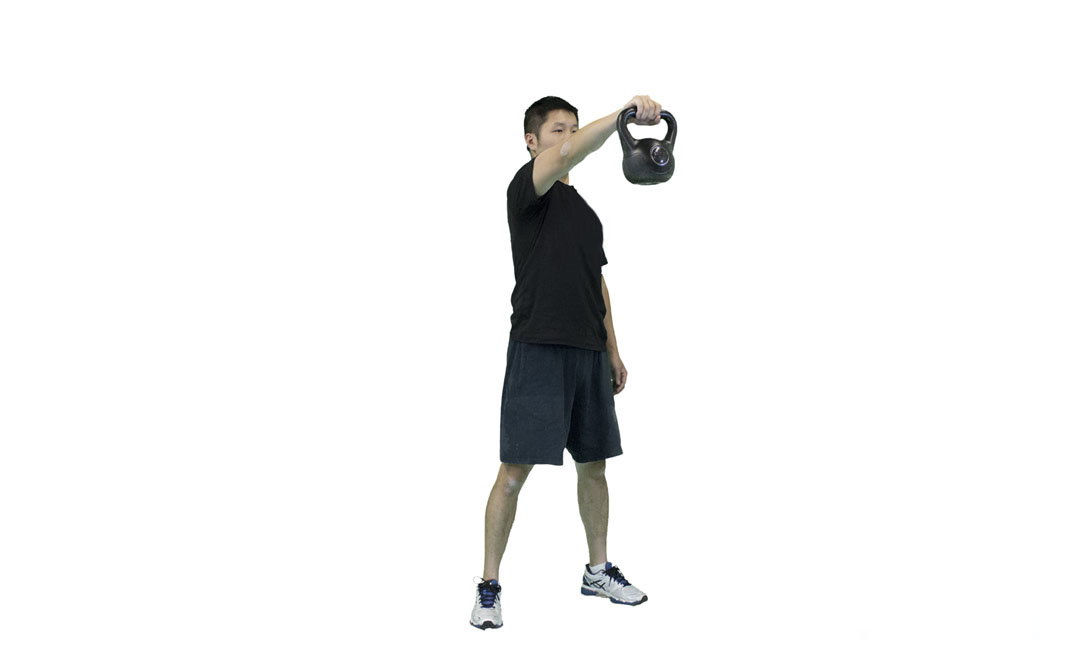
- Drive through the floor by forcefully extending your hips and knees. Let the hip snap propel the kettlebell forward; do not lift it primarily with your shoulder or arm.
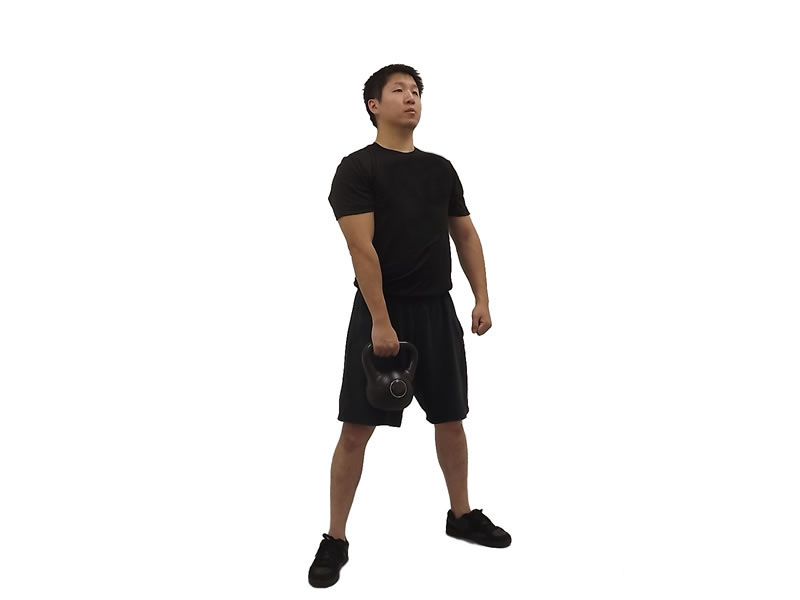
- Reach chest height with a straight but relaxed working arm, ribs controlled, glutes tight, and wrist neutral. The bell should float briefly rather than being pulled upward.
- Guide the descent as the bell falls, then hinge back to send it between the thighs while maintaining a flat back and stable feet.
- Finish safely by allowing the bell to swing back, then parking it on the floor in front of you. Complete the planned repetitions before switching sides.