Smart Workout Diary
Kettlebell Lateral Swing
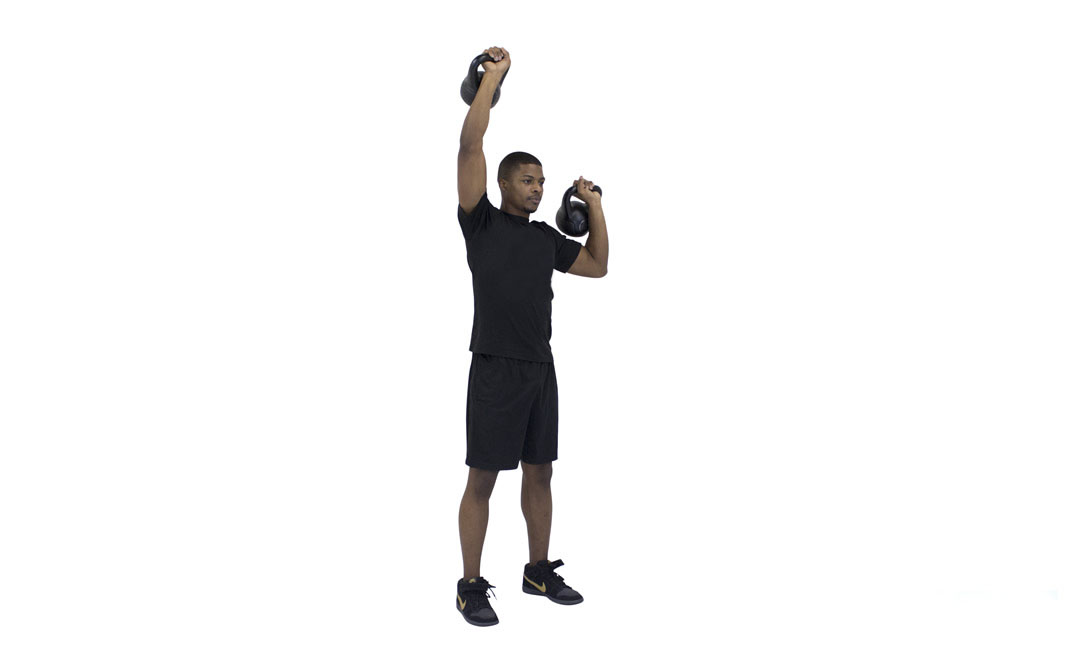
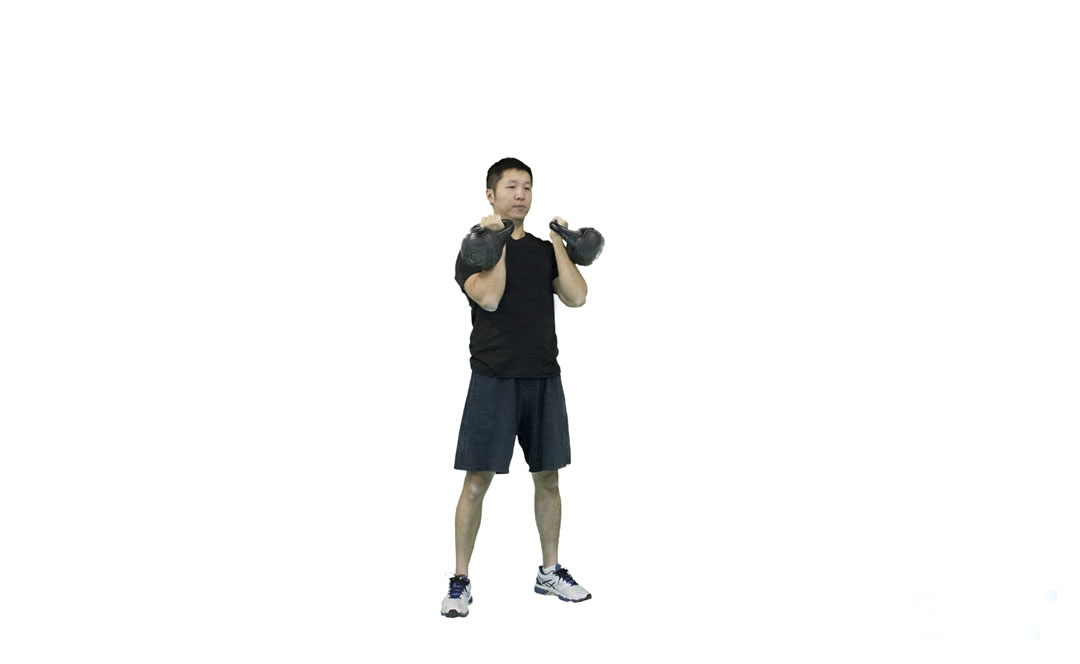
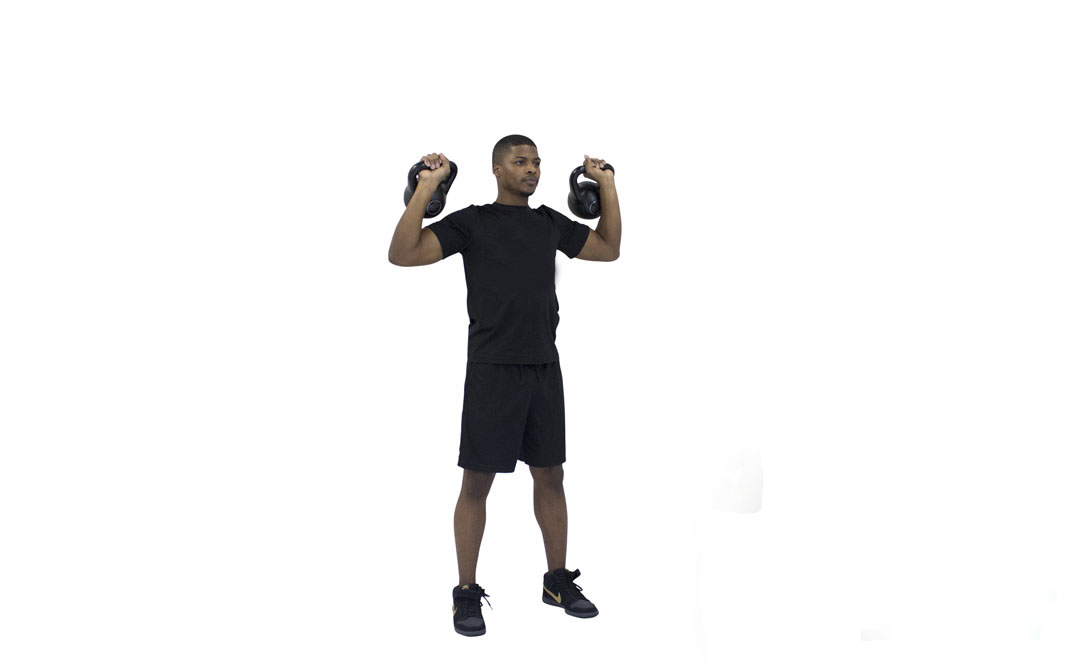
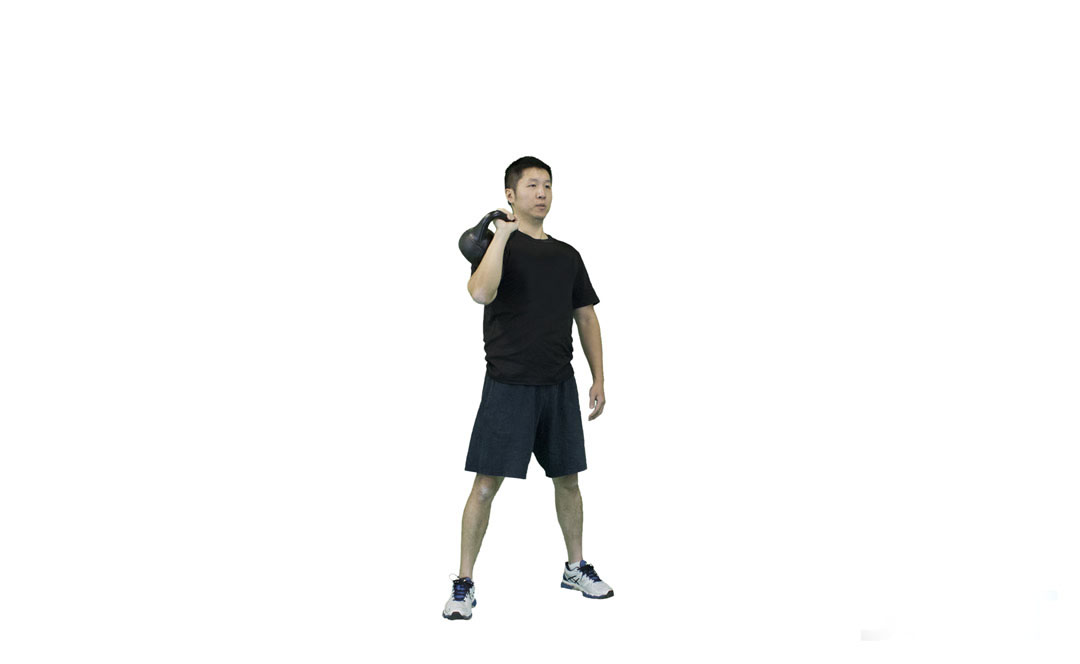
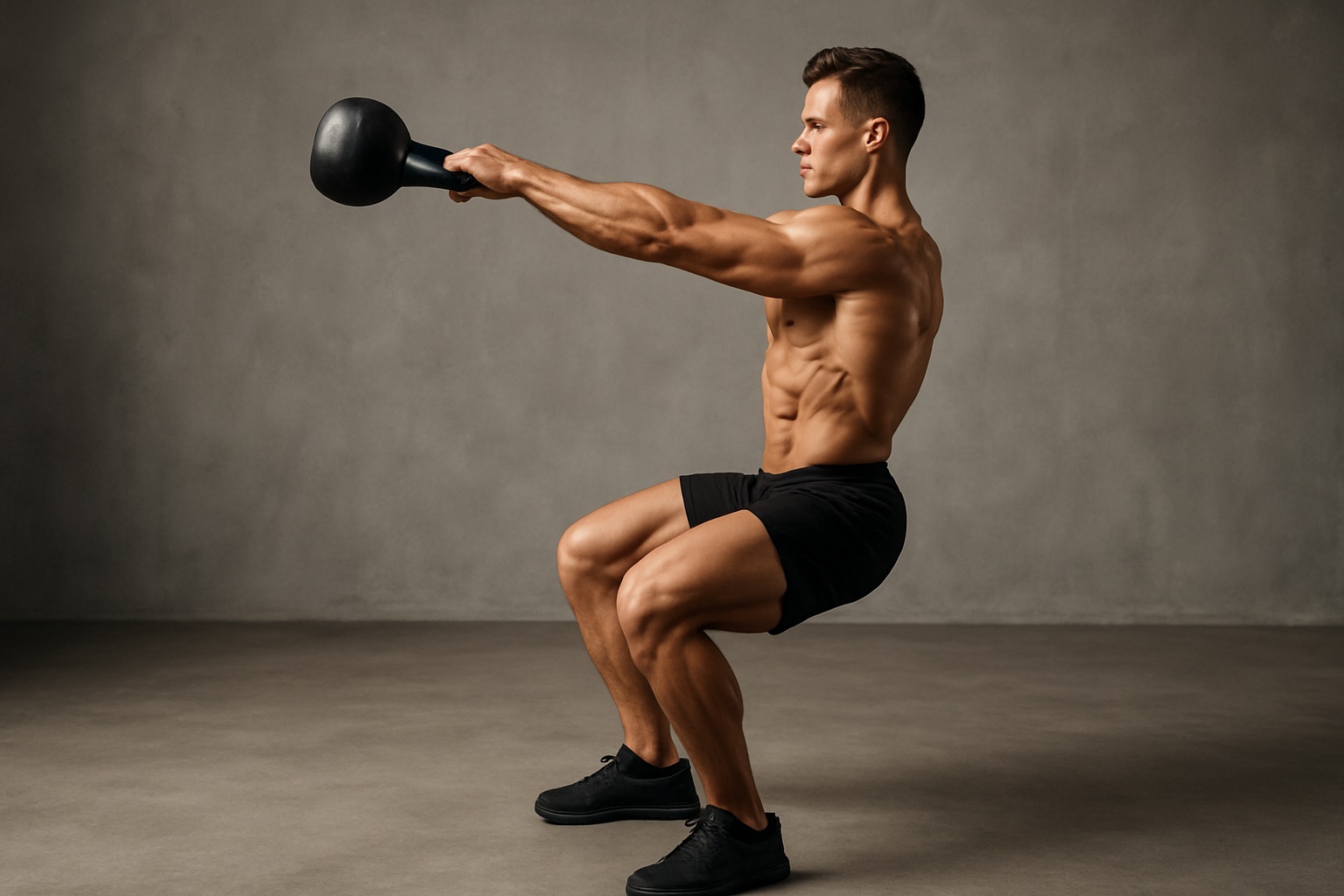
The kettlebell lateral swing is a dynamic hip-driven movement in which the kettlebell is swung laterally while the torso remains braced. It primarily trains the shoulders and also challenges the obliques, glutes, and legs to control force and posture. It can support shoulder strength, core control, coordination, and power.
Demonstration
Instructions
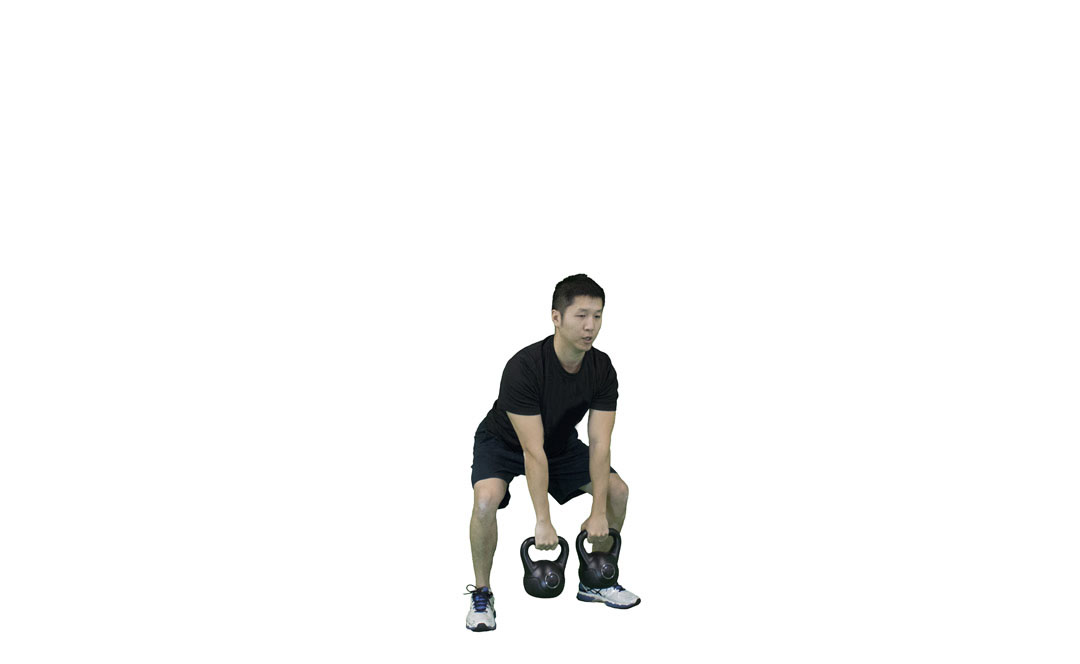
- Set up: Stand tall with feet about hip-width apart and place a kettlebell on the floor in front of you. Brace your abdomen, keep your chest lifted, and maintain a neutral spine.
- Load the swing: Hinge at the hips with a slight knee bend, grasp the handle securely with both hands, and hike the kettlebell back between your thighs without rounding your back.
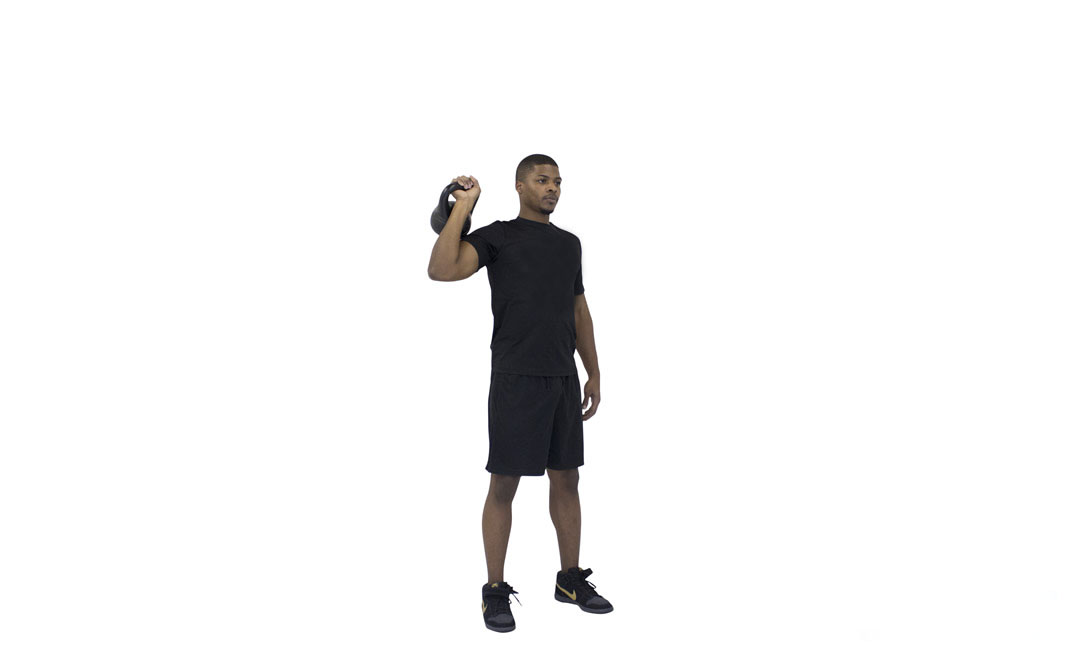
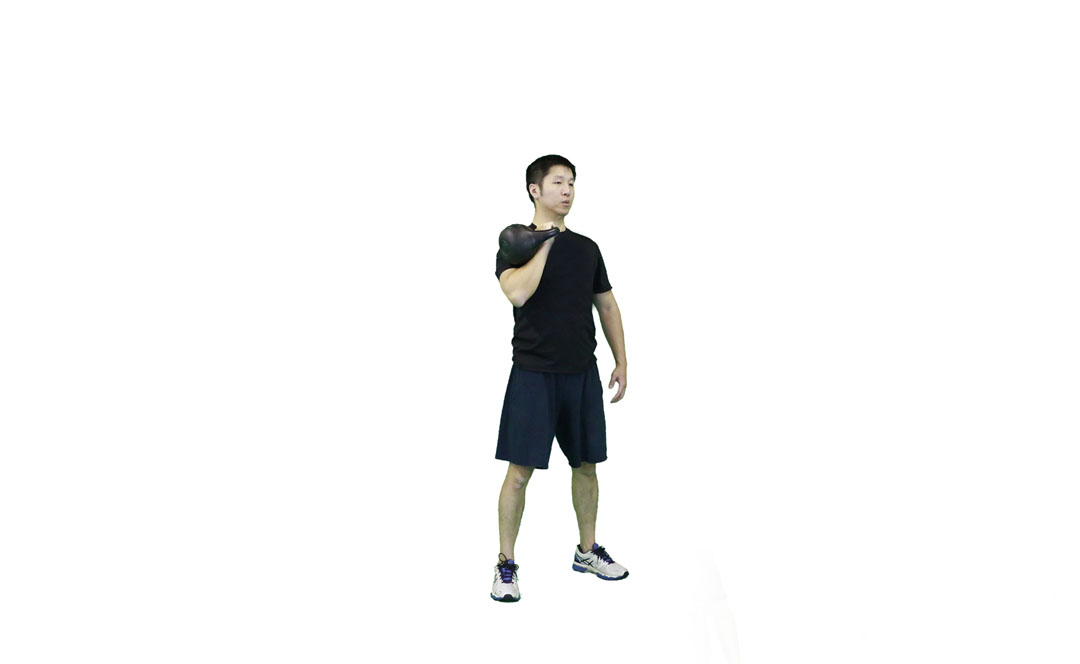
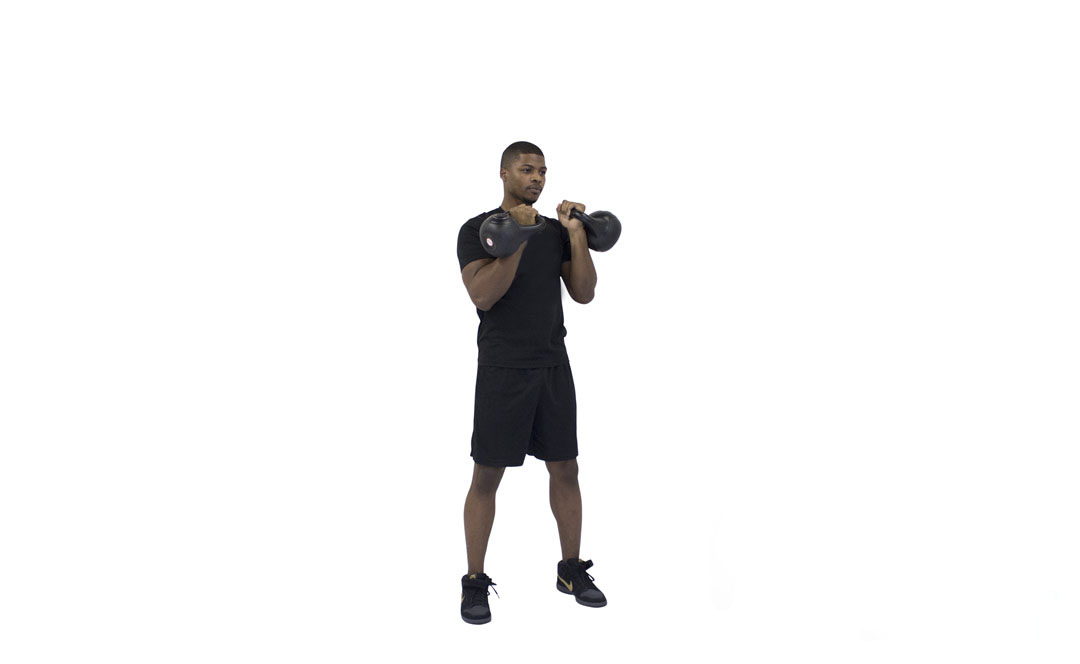
- Swing laterally: Drive through the floor and extend your hips to swing the kettlebell in a controlled arc toward one side. Keep both arms long, shoulders packed, and let the hips create the momentum rather than pulling with the arms.
- Return and repeat: Guide the kettlebell back through the center and into the hip hinge, then perform the next repetition to the other side. Keep the torso braced, avoid twisting or leaning excessively, and stop if control is lost.