Smart Workout Diary
Barbell Decline Pullover
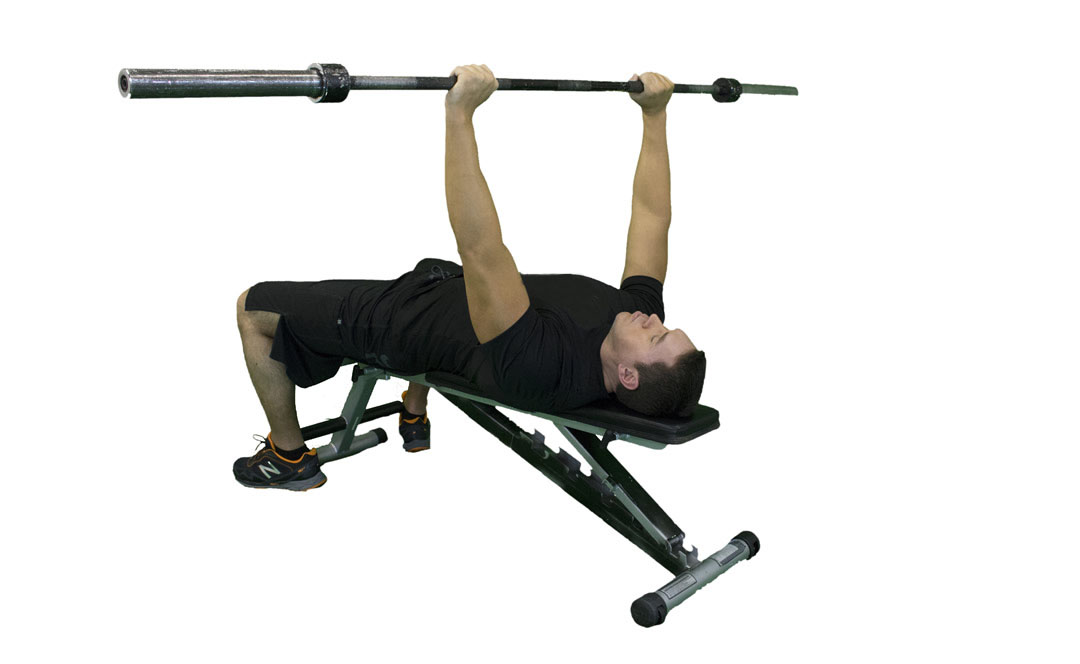
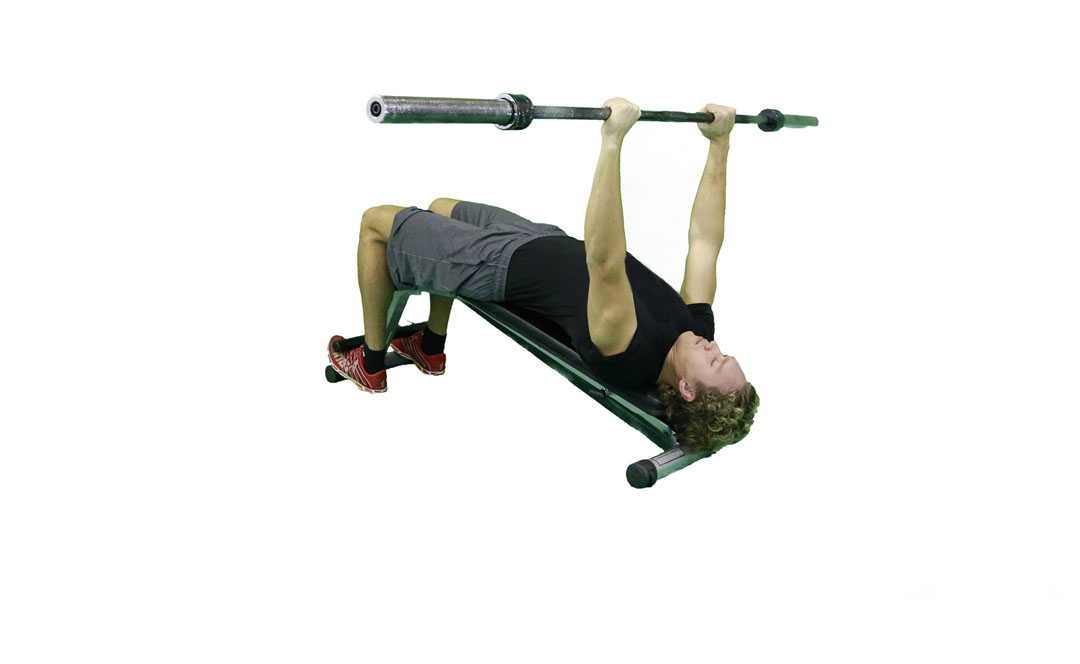
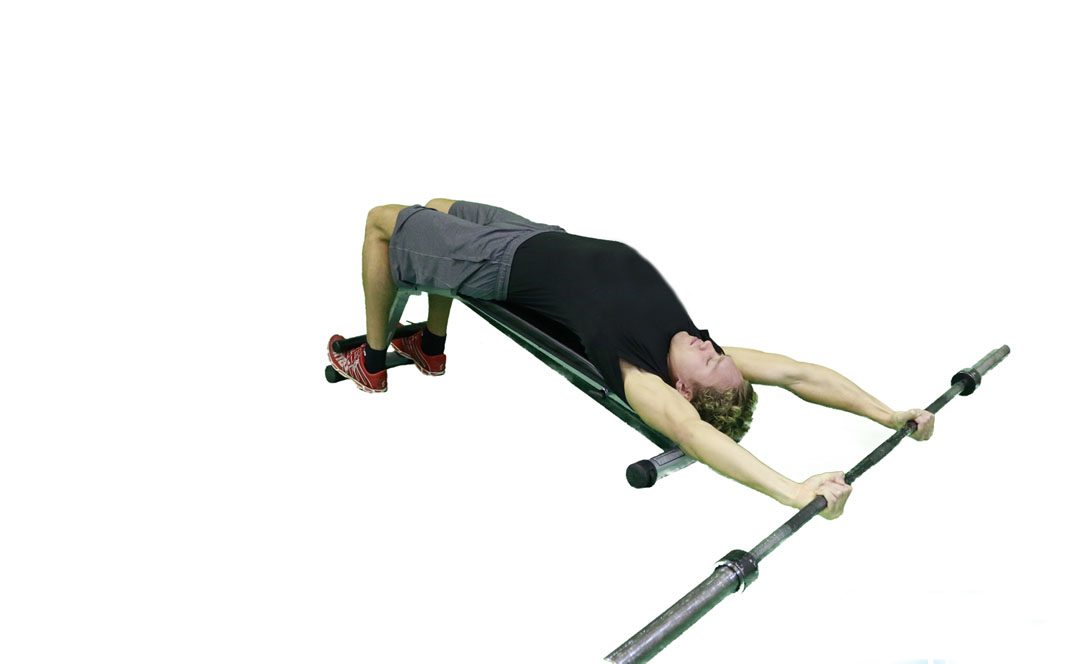
The barbell decline pullover is performed lying on a decline bench while moving a barbell in an arc from behind the head to above the chest. It primarily trains the chest, with meaningful involvement from the lats and triceps, and can support upper-body strength and muscle development. The decline position requires controlled movement and stable positioning on the bench.
Demonstration
Instructions
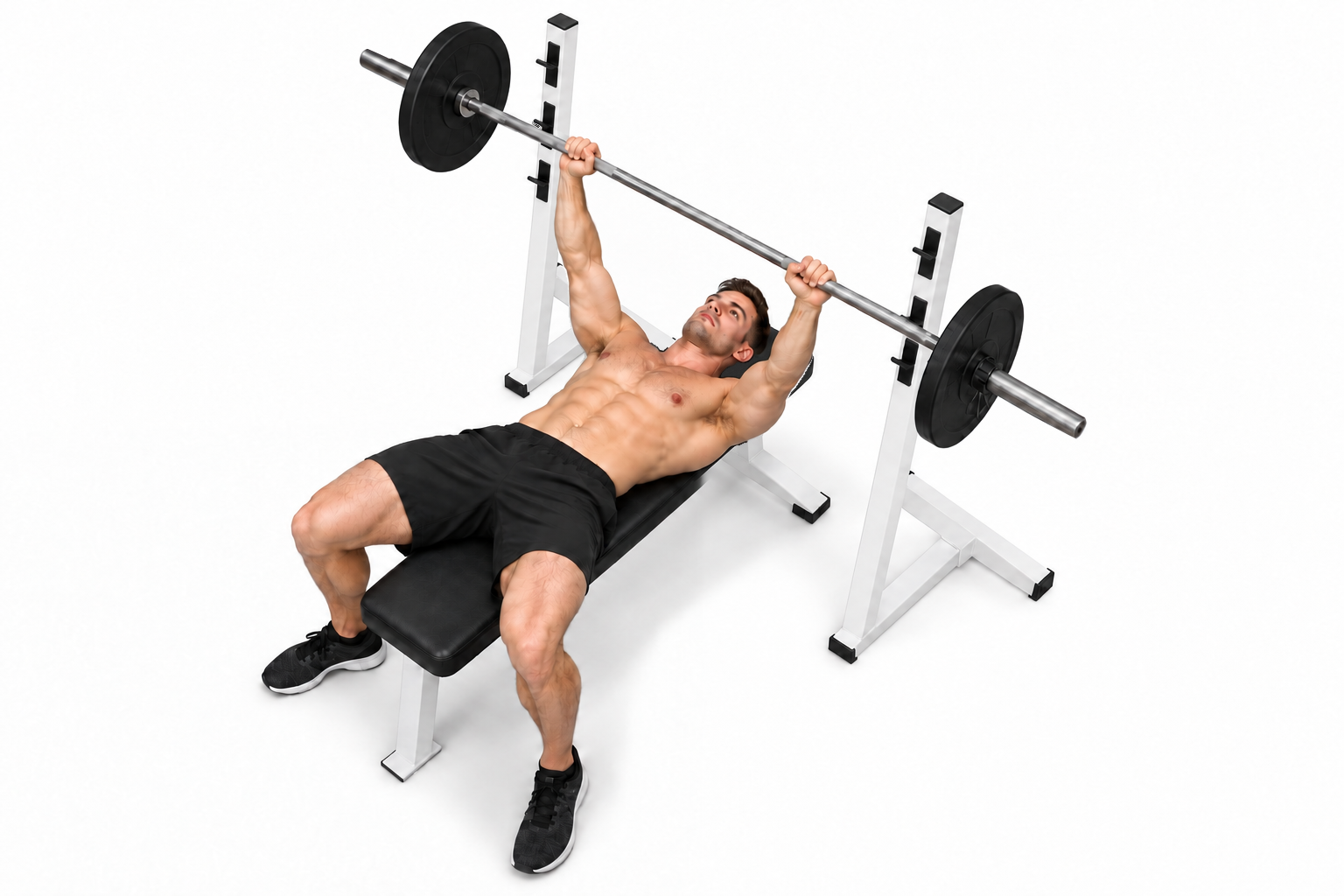
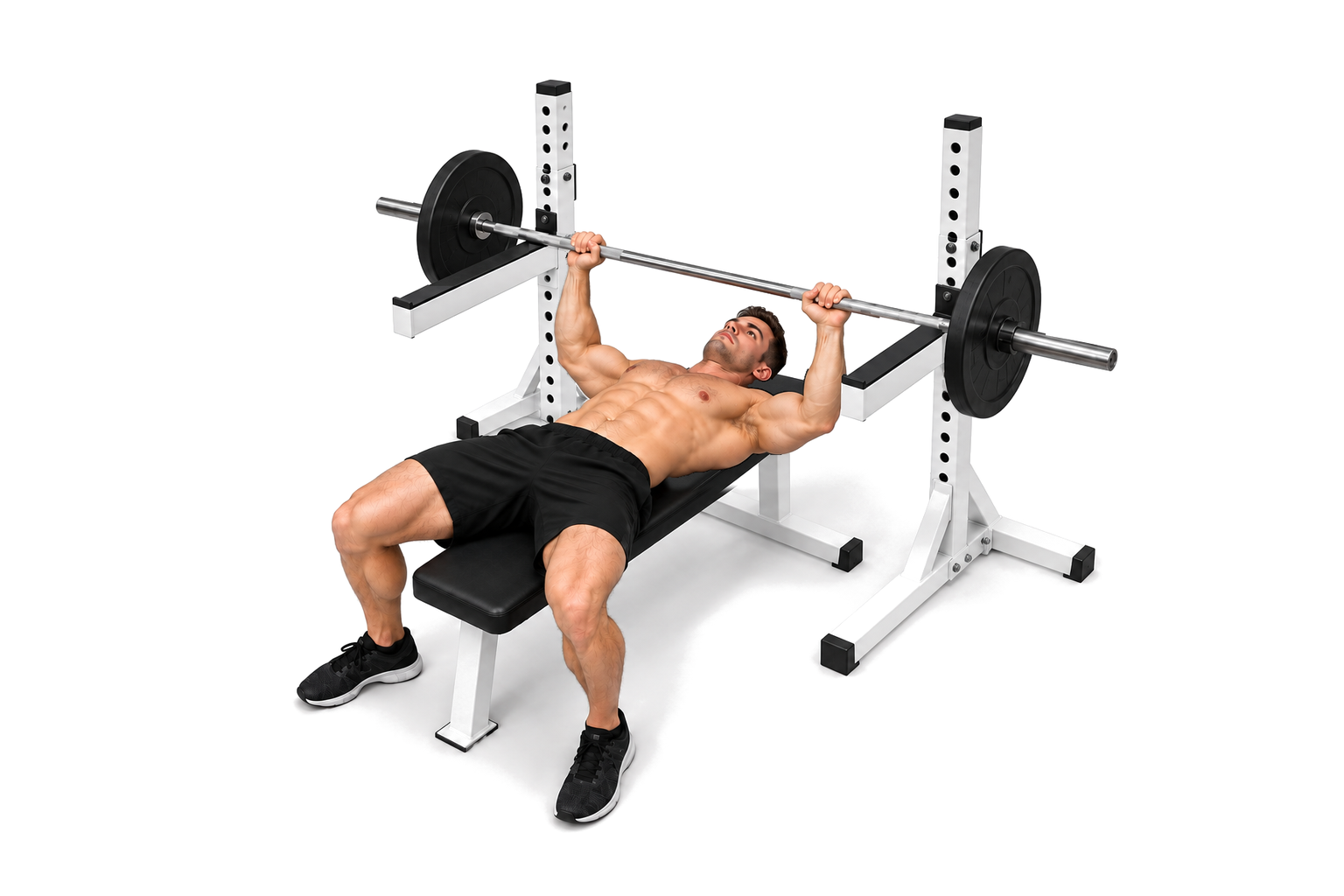
- Set up the bench at a modest decline and secure your feet under its pads. Lie back with your head, shoulders, and upper back supported, then hold a barbell above your chest with a shoulder-width overhand grip.
- Establish position by keeping a slight, fixed bend in your elbows, wrists neutral, and shoulder blades gently drawn down. Keep your hips in contact with the bench and brace your trunk.
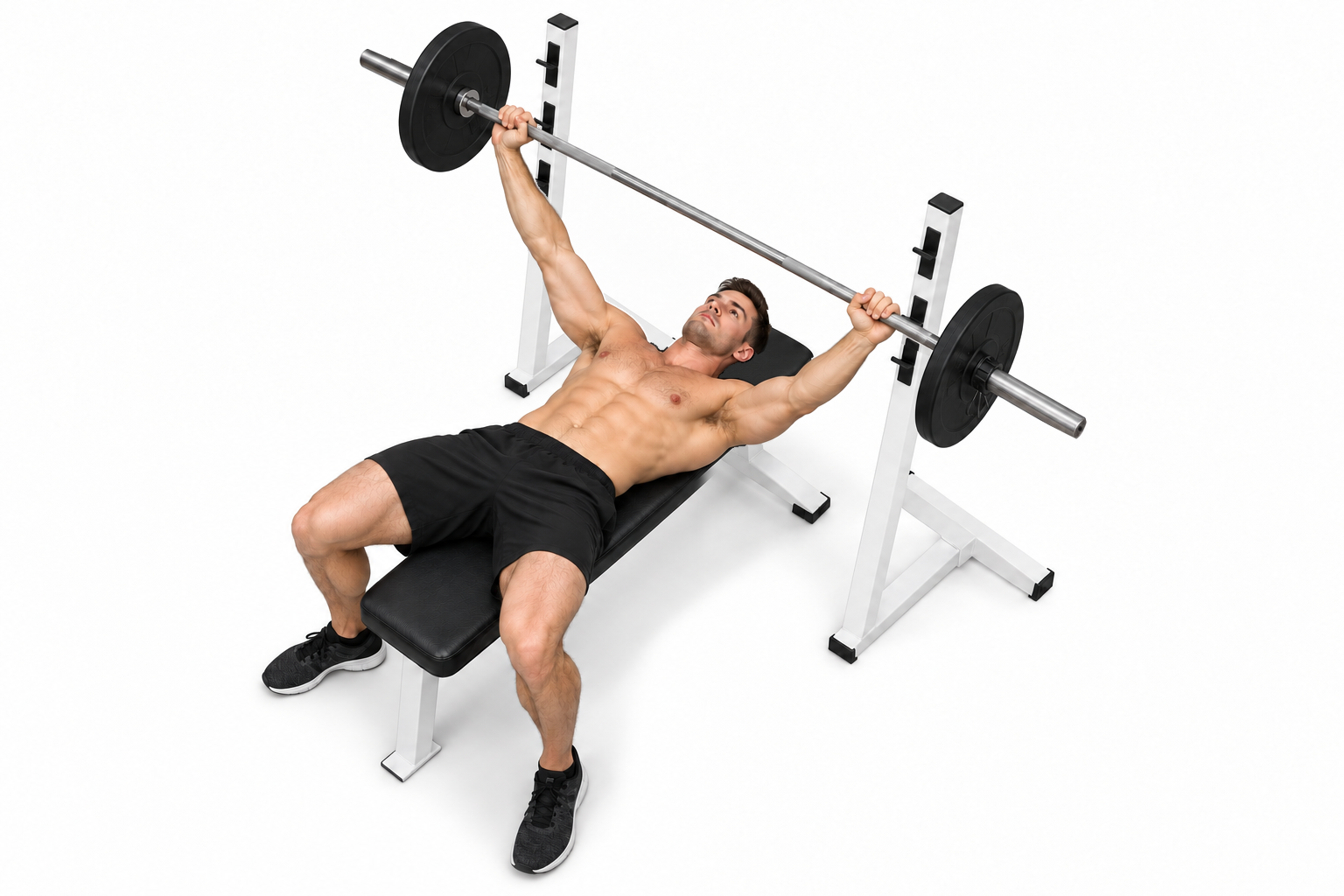
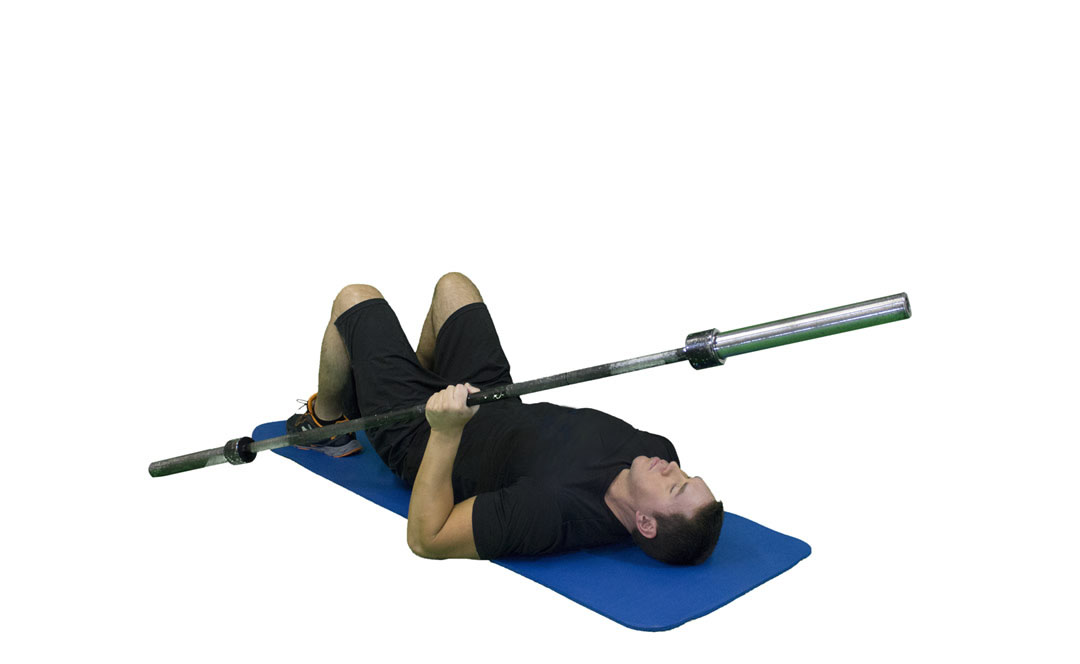
- Lower the bar slowly in an arc behind your head while inhaling. Let the shoulders move comfortably, but do not force a range that causes shoulder discomfort or lets the bar drop suddenly.
- Pull the bar back along the same arc until it is above your chest, exhaling as you contract your chest and lats. Keep the elbow angle nearly unchanged rather than turning the movement into a triceps extension.
- Finish safely with the bar controlled over the chest before beginning the next repetition. Use a manageable load and a spotter or assistance for setup and reracking when needed.