Smart Workout Diary
Barbell Power Snatch
The barbell power snatch is an explosive Olympic weightlifting movement in which the bar is lifted from the floor to overhead and caught in a partial squat rather than a full squat. It develops power, coordination, and speed through the legs and hips while strongly involving the upper back, shoulders, and core. It supports athletic power development and technical weightlifting practice.
Demonstration
Instructions
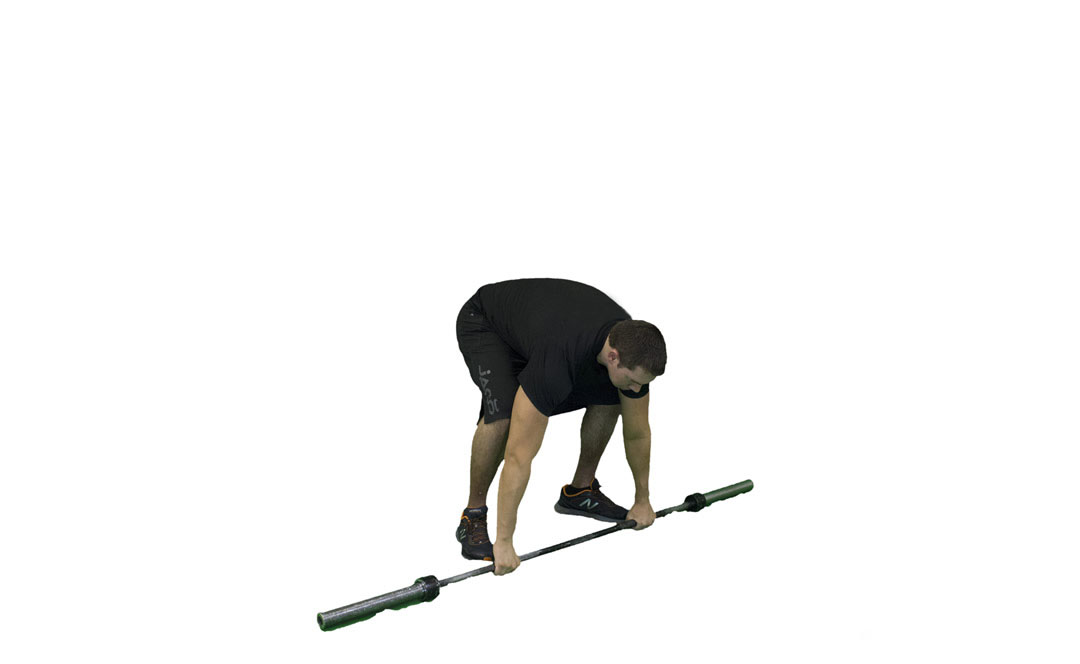
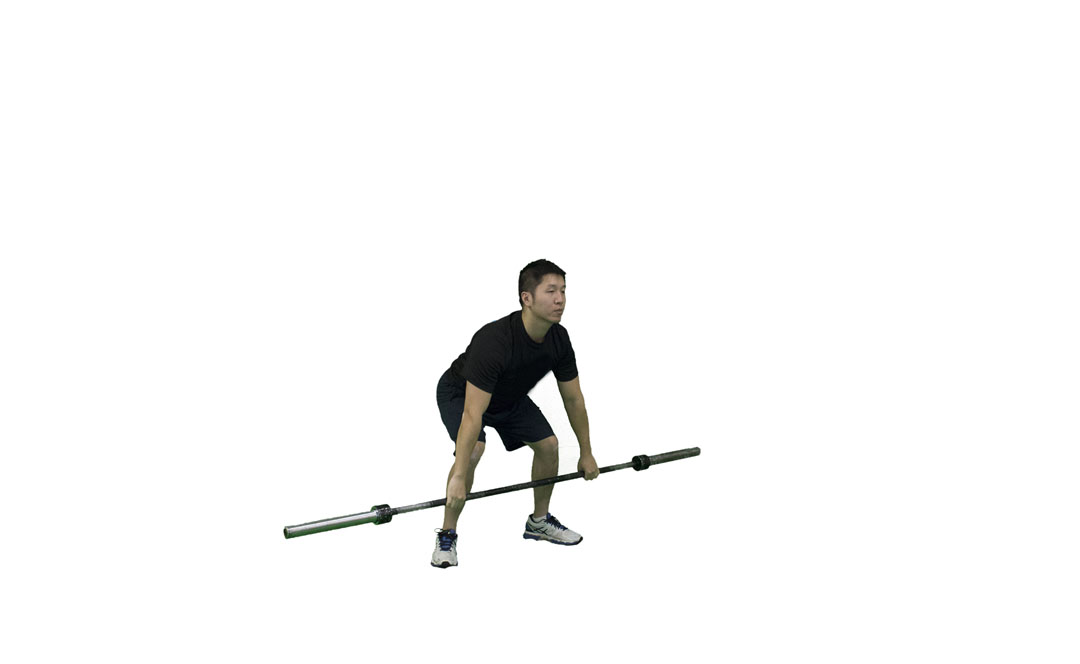
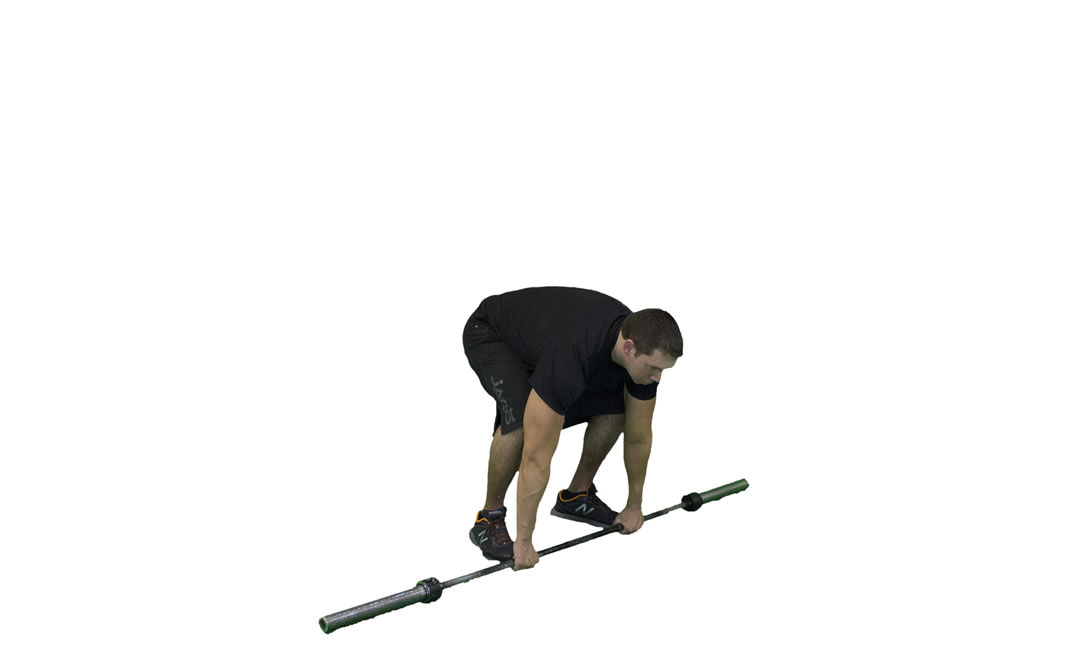
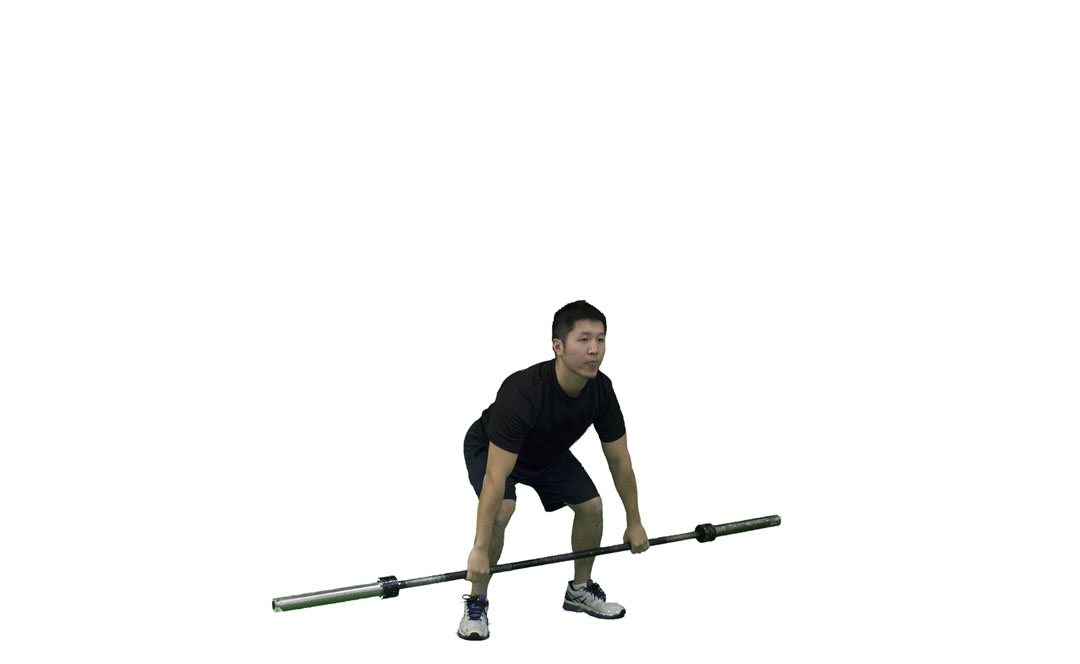
- Set up: Place a barbell over the middle of your feet. Stand with feet about hip width, then hinge and squat to grip the bar wide enough that it rests at the hip crease when standing.
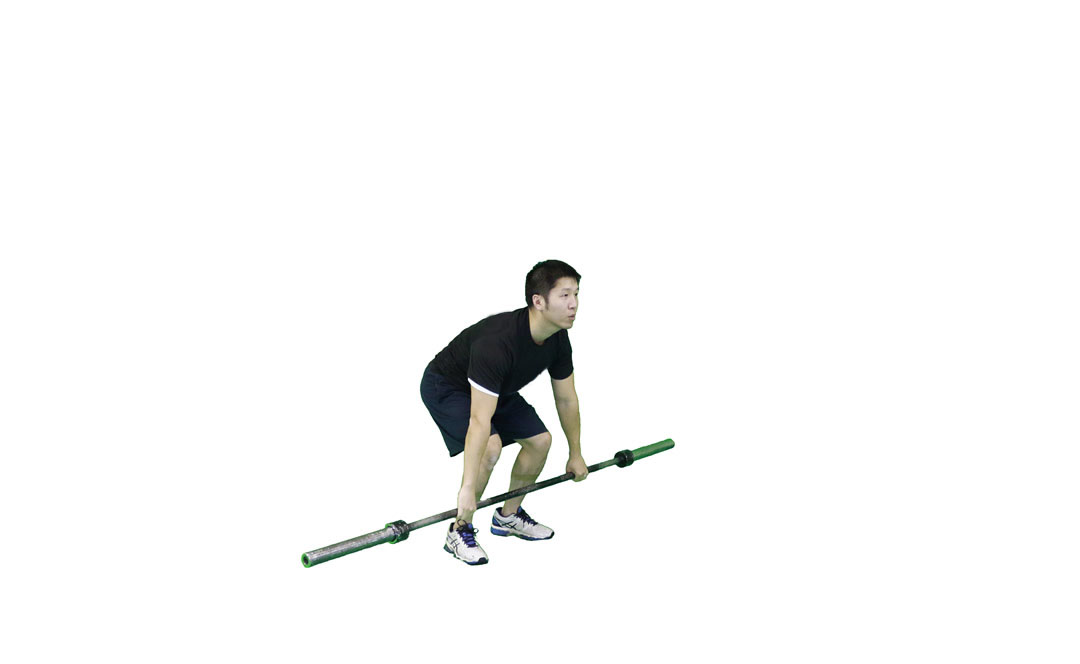
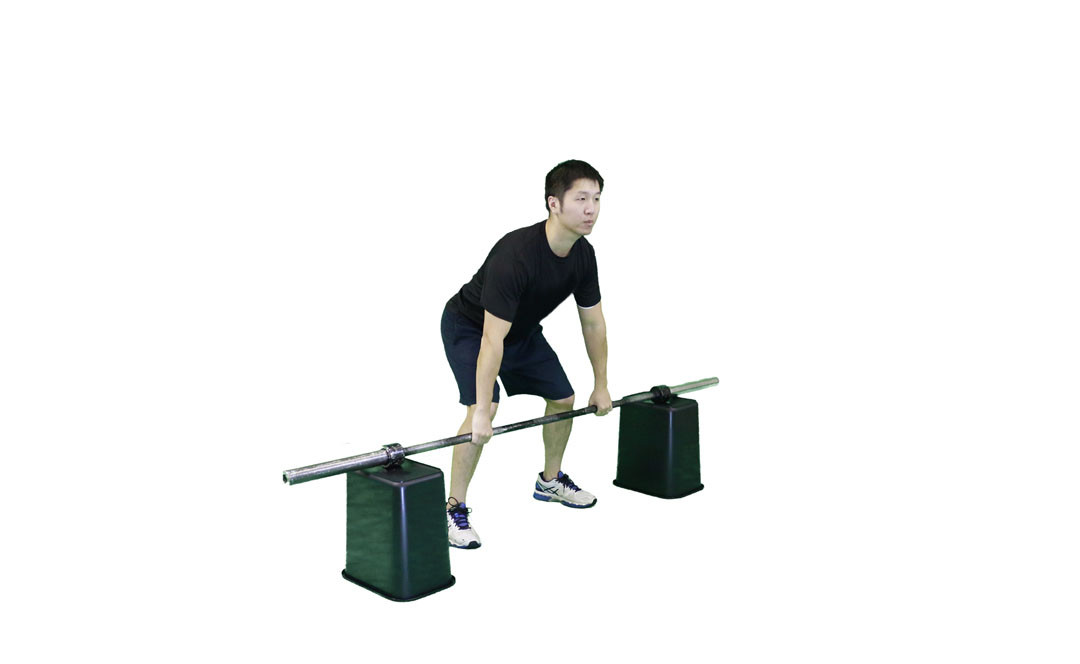
- Find a strong start: Keep your back neutral, chest lifted, arms straight, and shoulders slightly in front of the bar. Brace your trunk and keep the bar close to your shins.
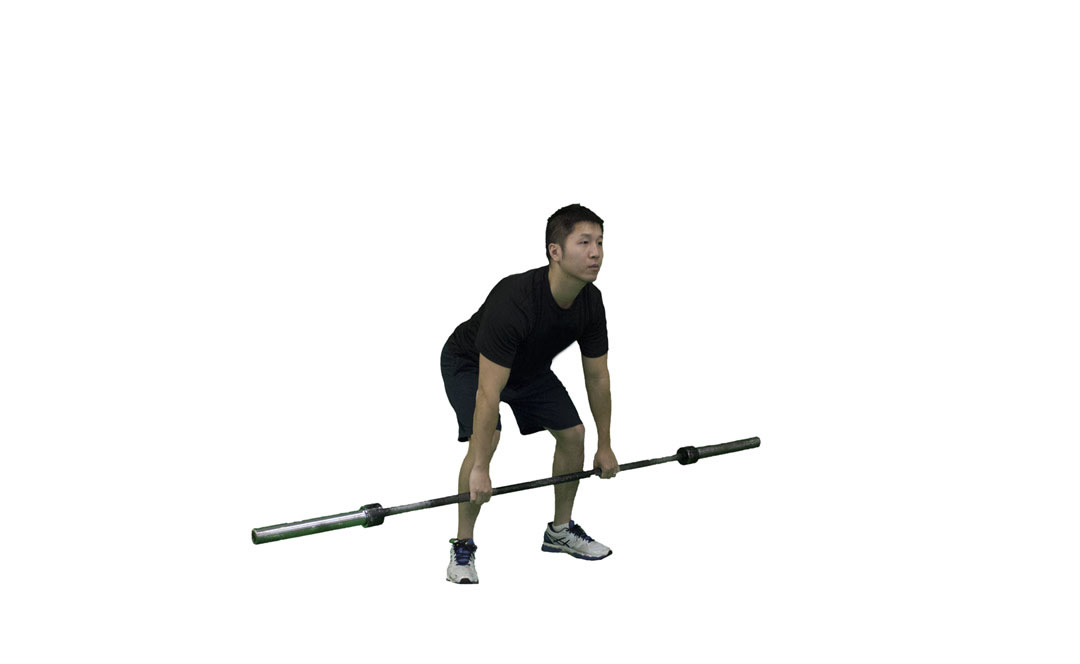
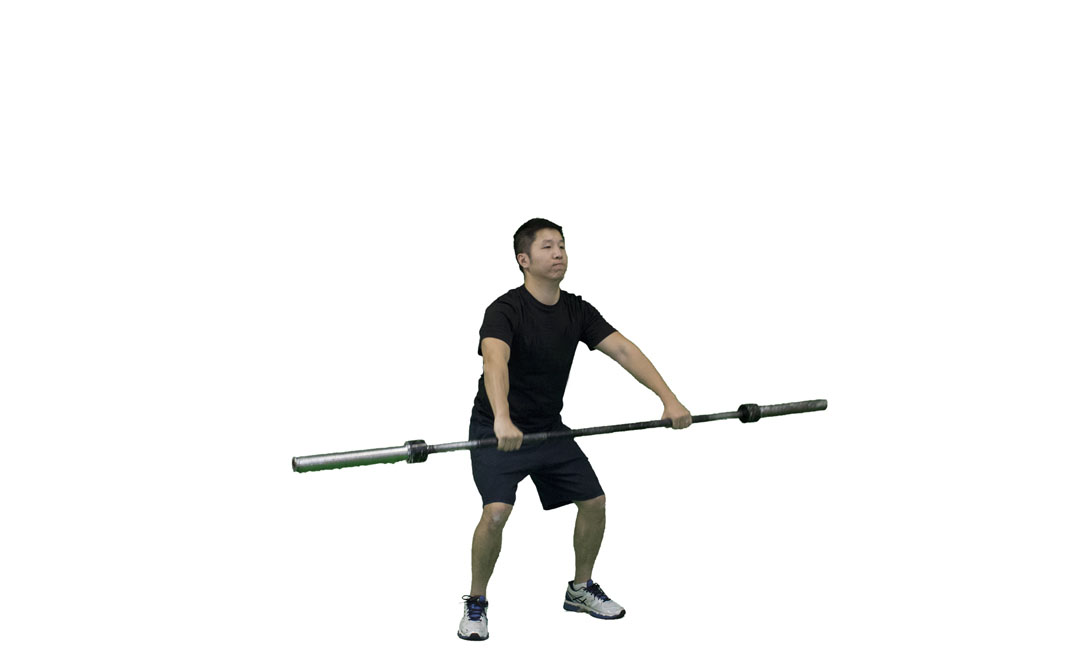
- Lift from the floor: Push through the floor to raise the bar smoothly, extending the knees while maintaining your back angle and keeping the bar close.
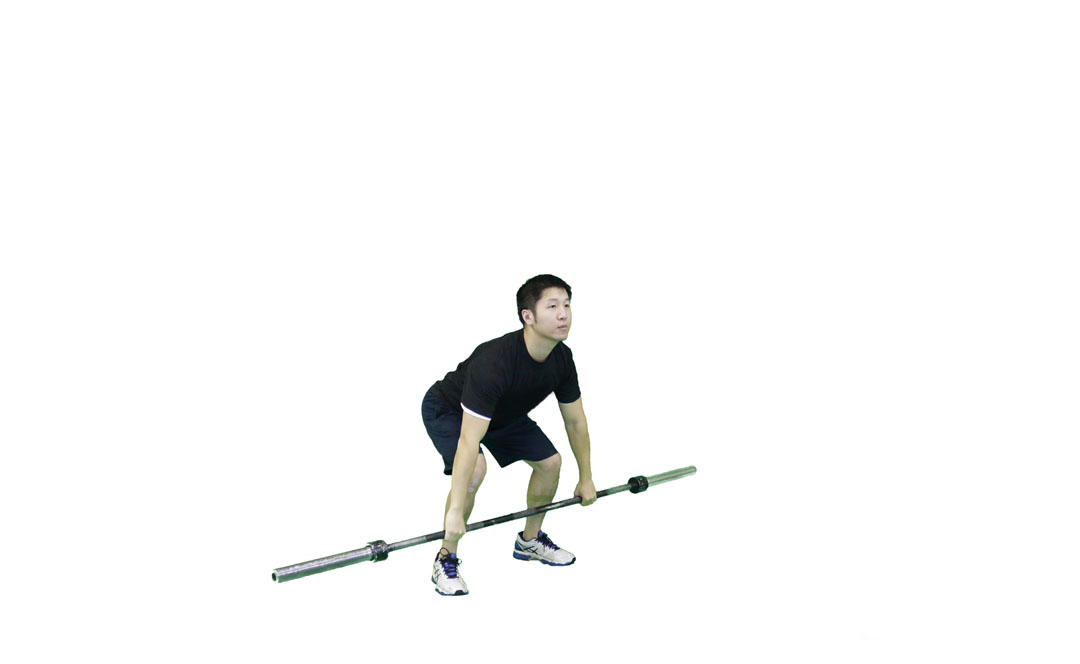
- Explode through the hips: As the bar passes the knees, powerfully extend the hips, knees, and ankles. Shrug upward with straight arms before pulling yourself under the bar.
- Receive overhead: Move quickly into a partial squat and lock the bar overhead with straight elbows. Keep the bar over the middle of the feet, chest up, and knees tracking over the toes.
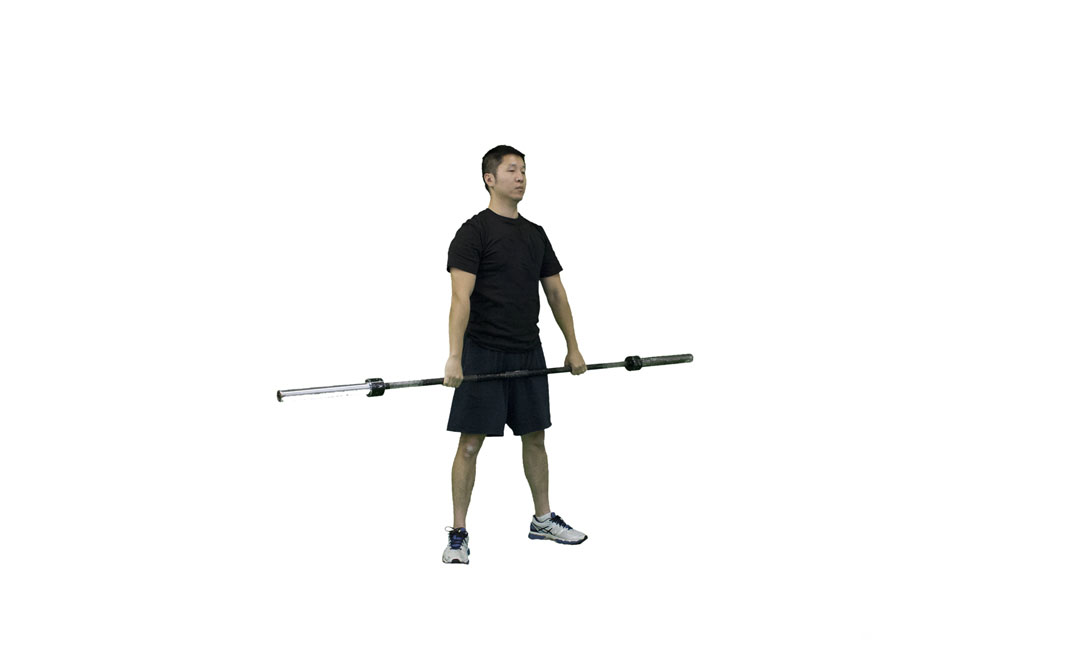
- Finish safely: Stand fully under control, then lower the bar with control or drop it only where appropriate equipment and space allow. Use a light load until your positions and timing are consistent.