Smart Workout Diary
Barbell Clean and Jerk
The barbell clean and jerk is an Olympic weightlifting movement that lifts a barbell from the floor to the shoulders, then overhead in two distinct phases. It develops explosive power, strength, coordination, mobility, and full-body control, with major contributions from the legs, glutes, back, shoulders, and core. It supports power development and technical weightlifting performance.
Demonstration
Instructions
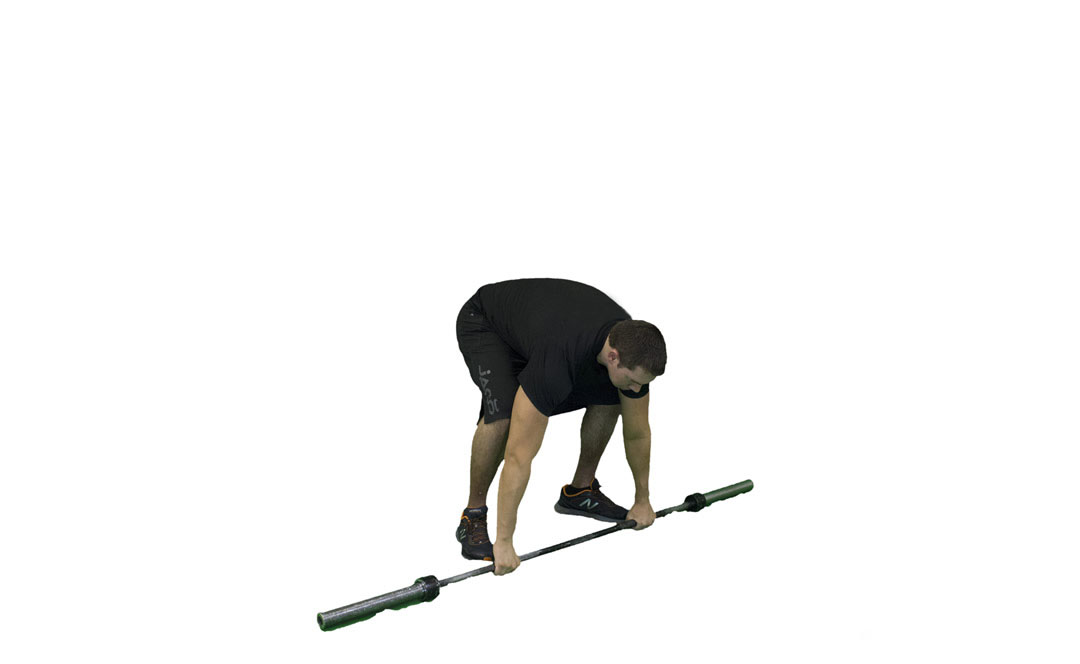
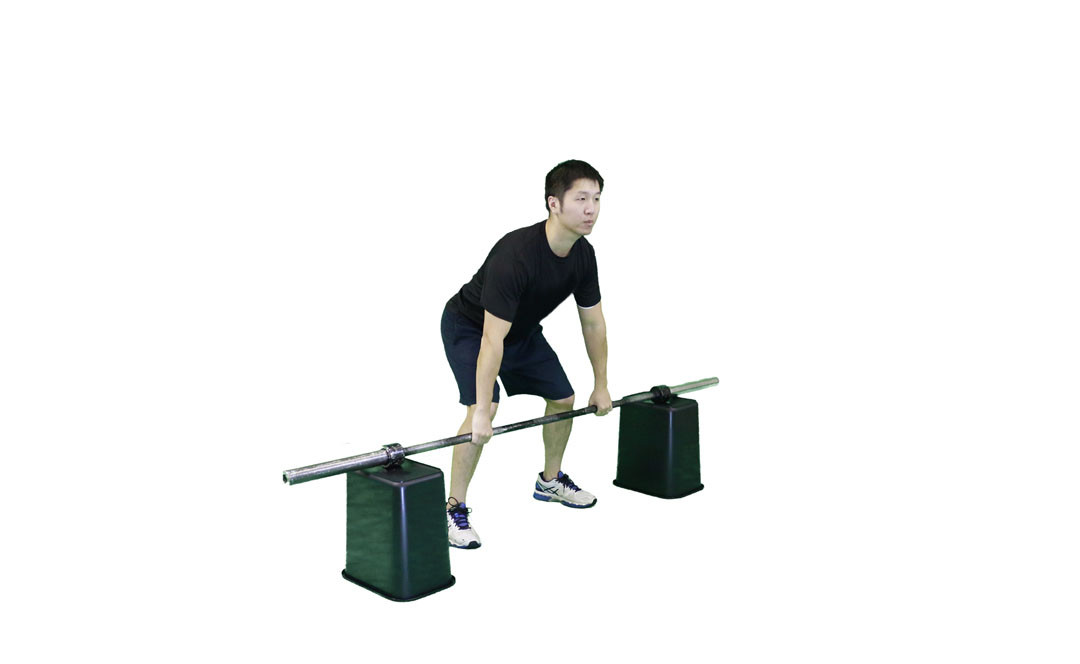
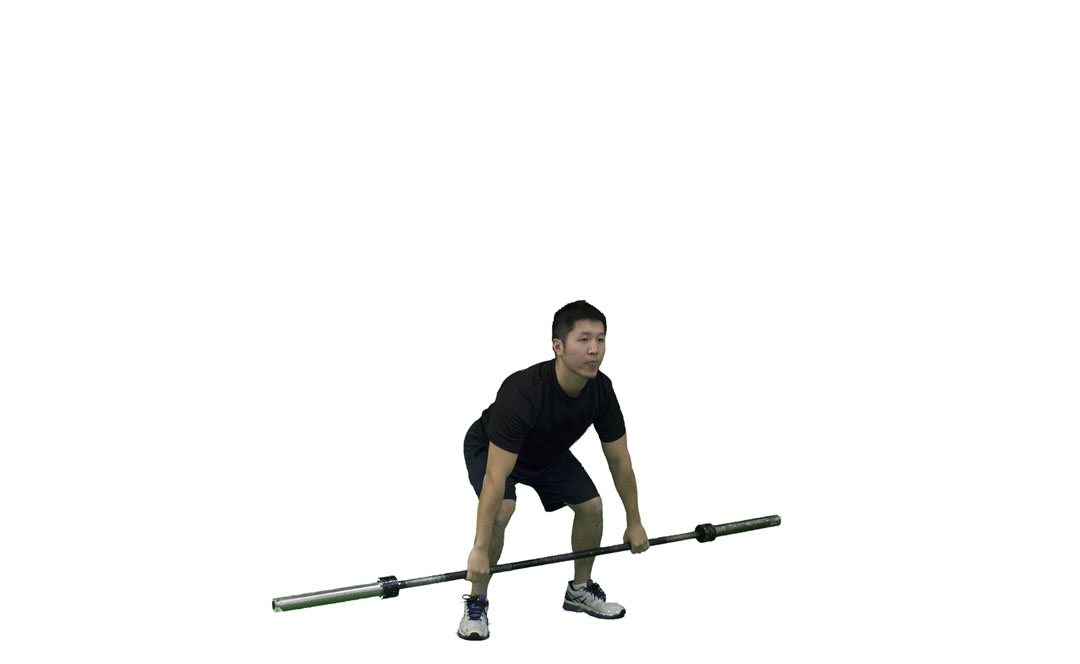
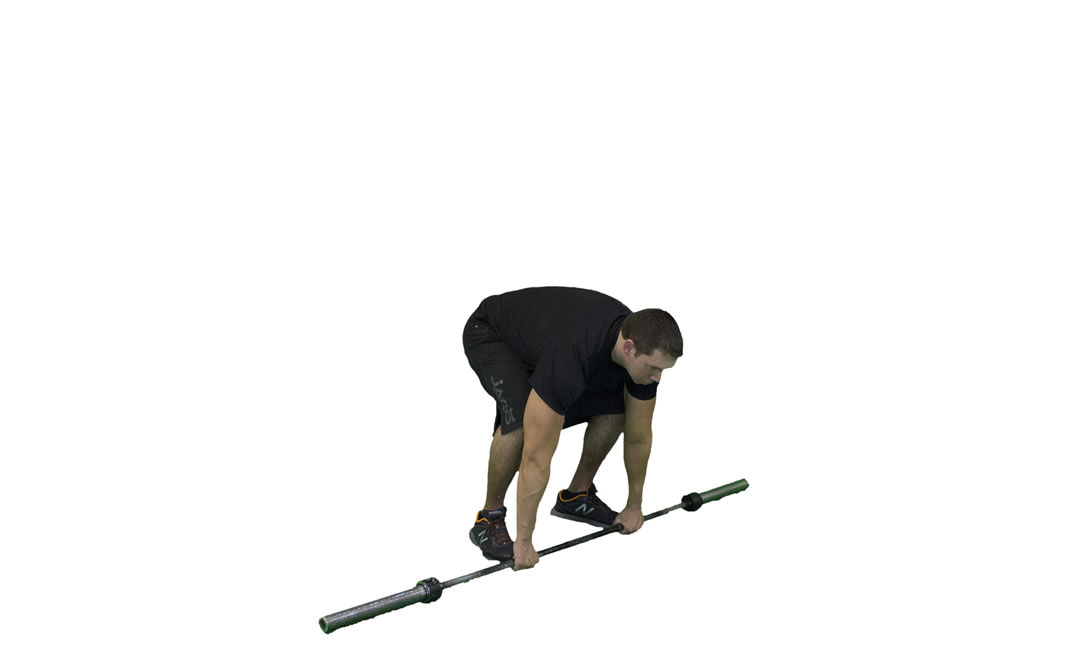
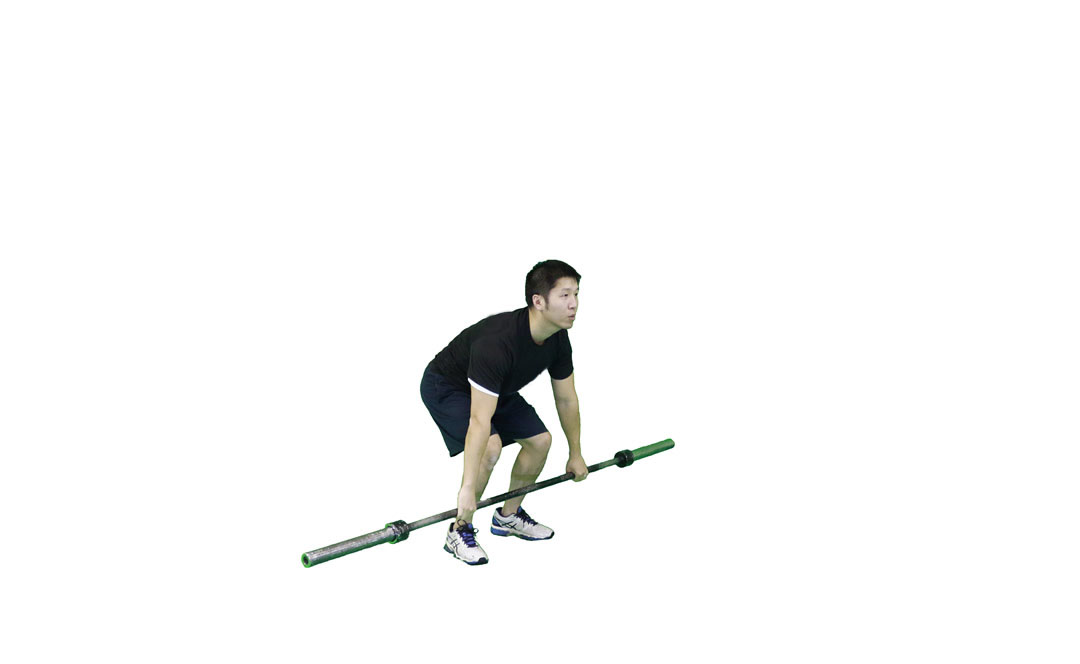
- Stand with the barbell over the middle of your feet, feet about hip-width apart. Hinge down with a flat back, grip the bar just outside the legs, and set your chest up with your shoulders slightly in front of the bar.
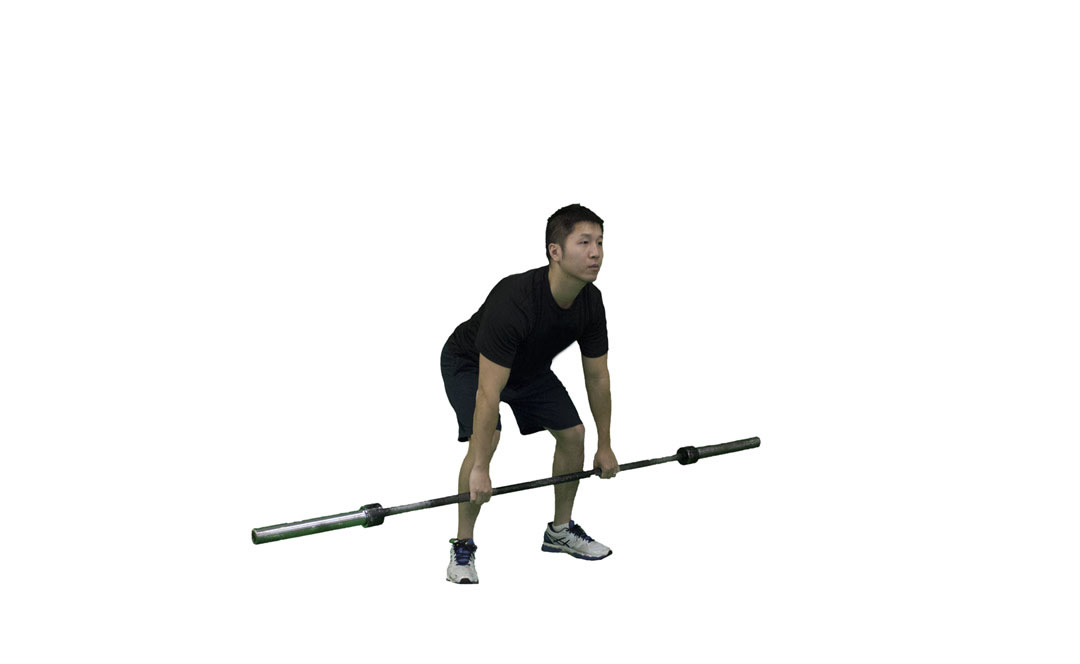
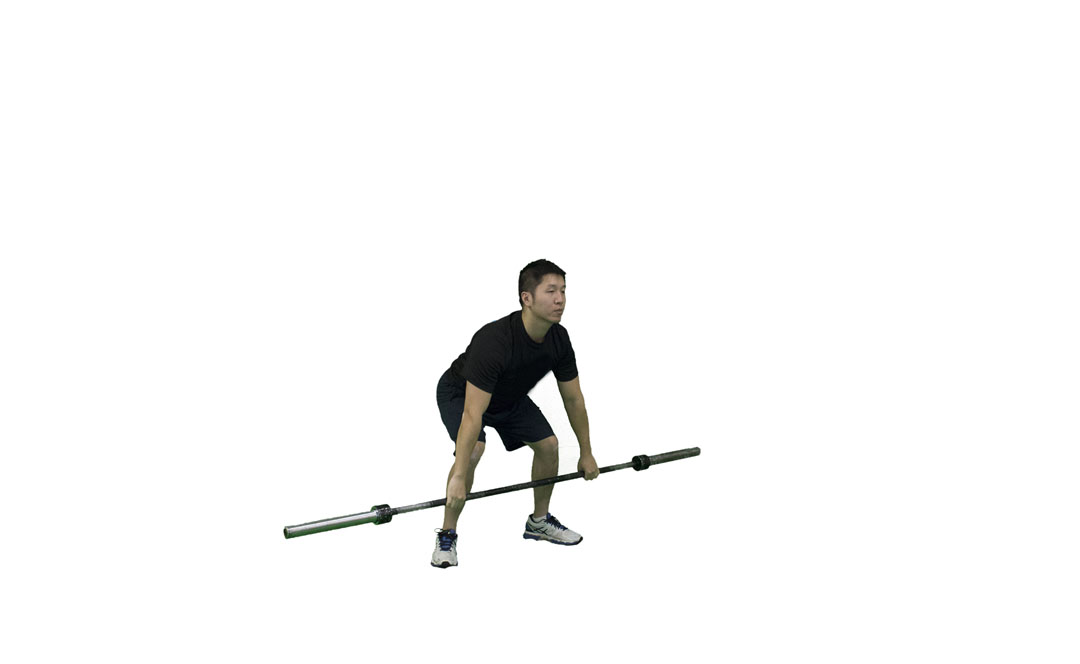
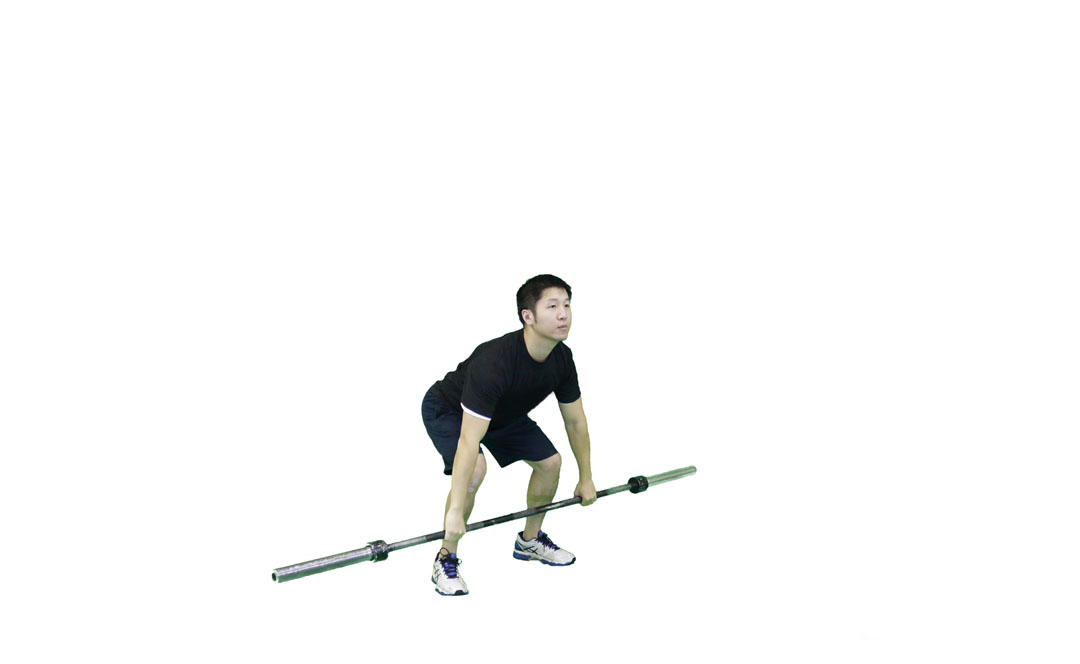
- Clean pull: Push through the floor to lift the bar, keeping it close to your shins and thighs. Extend the hips, knees, and ankles powerfully while keeping the bar close to the body.
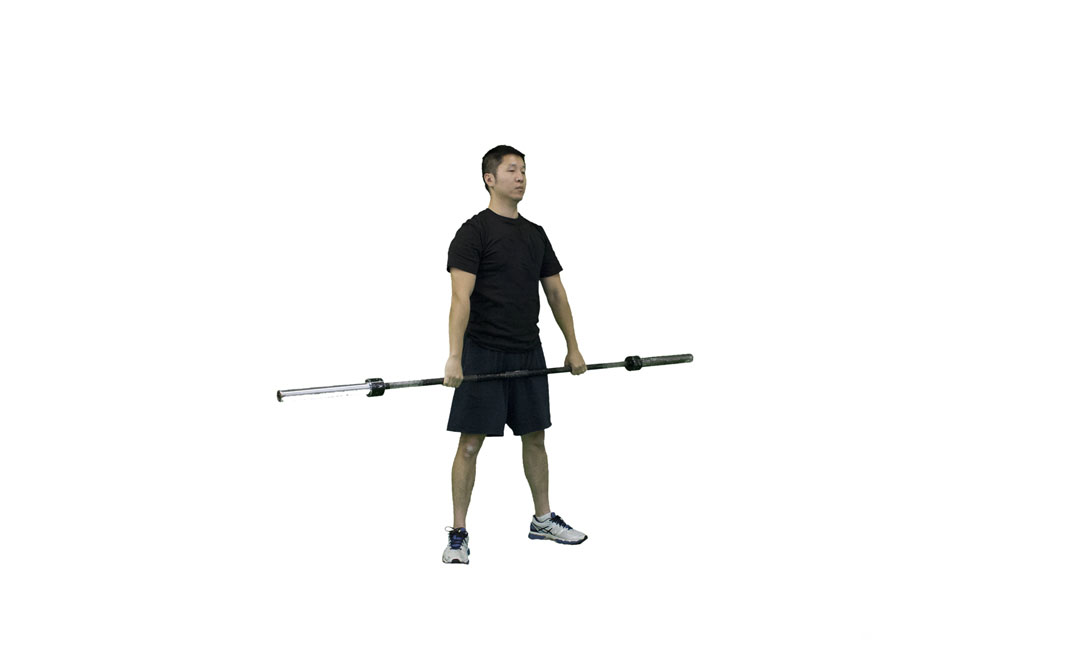
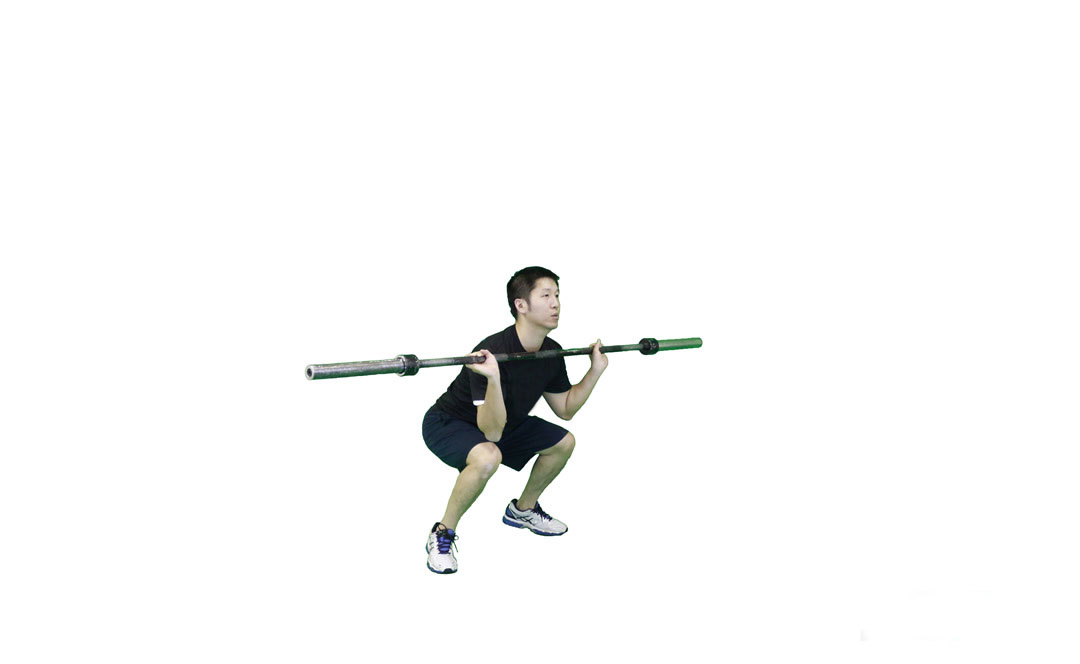
- Catch the clean: Pull yourself under the bar, rotate the elbows quickly forward, and catch it on the front of the shoulders in a front squat. Stand fully with the bar supported in the front rack.
- Adjust your grip if needed, brace the trunk, and keep the elbows slightly in front of the bar. Dip straight down a short distance by bending the knees and hips while keeping the torso upright.
- Jerk: Drive forcefully through the legs, then split the legs front to back as you press yourself under the bar. Lock the elbows overhead and keep the bar balanced over the middle of the body.
- Recover by bringing the front foot back first and then the rear foot forward until standing under control. Lower the bar safely to the shoulders and then to the floor; use a clear lifting area and appropriate bumper plates when dropping the bar.