Smart Workout Diary
Dumbbell Reverse Fly with External Rotation
The dumbbell reverse fly with external rotation combines a bent-over reverse fly with outward shoulder rotation at the top of the movement. It primarily trains the rear deltoids and upper back, while emphasizing the shoulder rotators that help control shoulder position. It can support upper-body pulling strength, shoulder control, and balanced shoulder development.
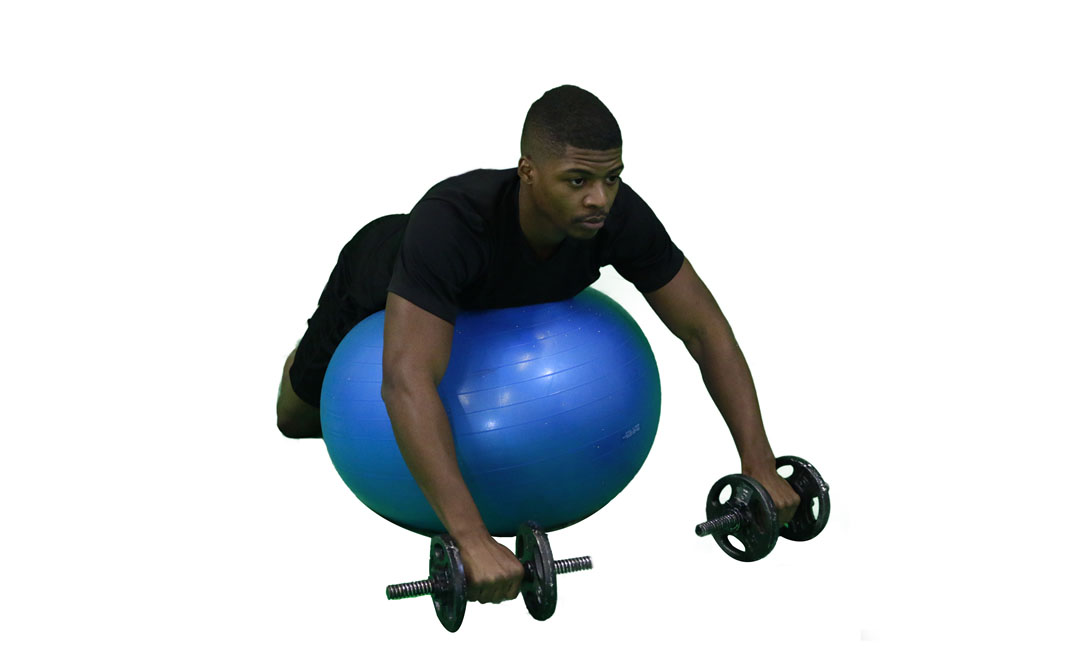
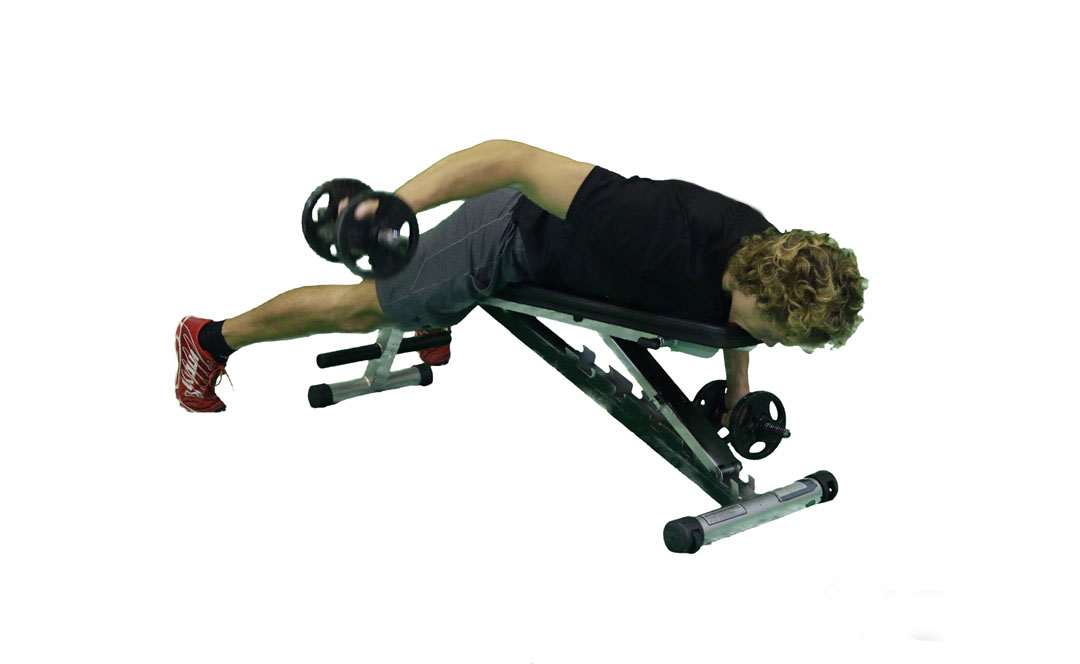
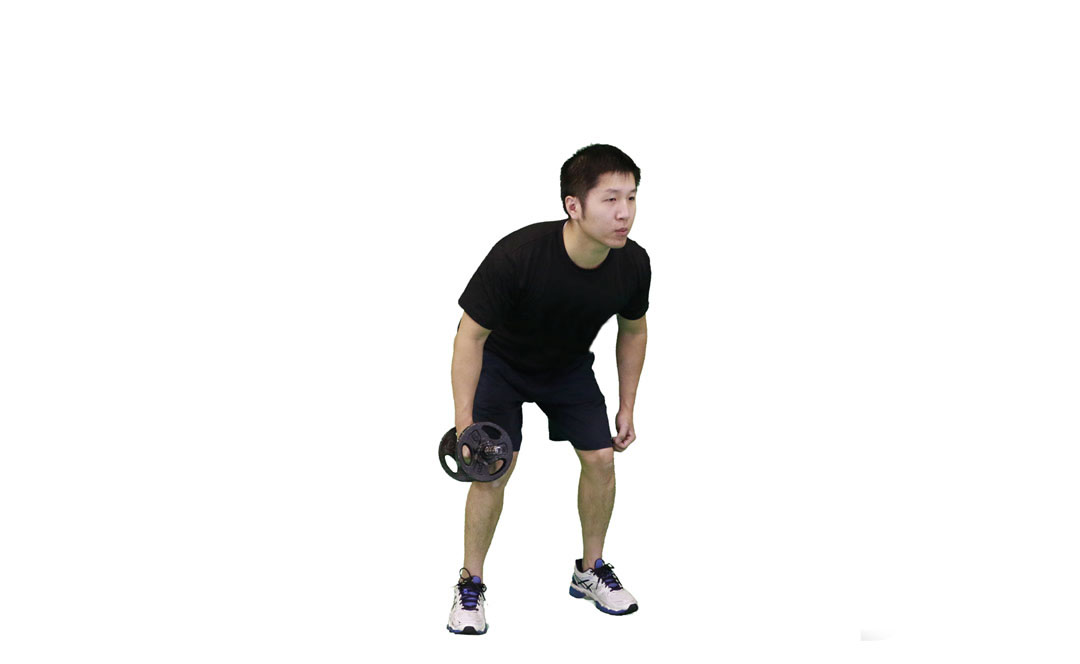
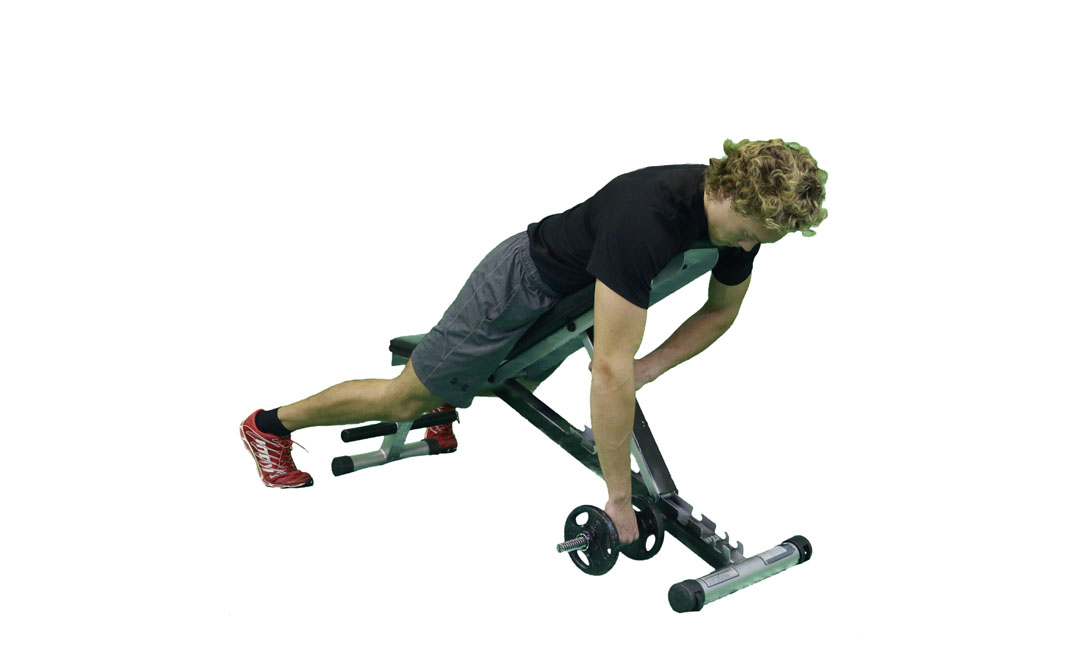
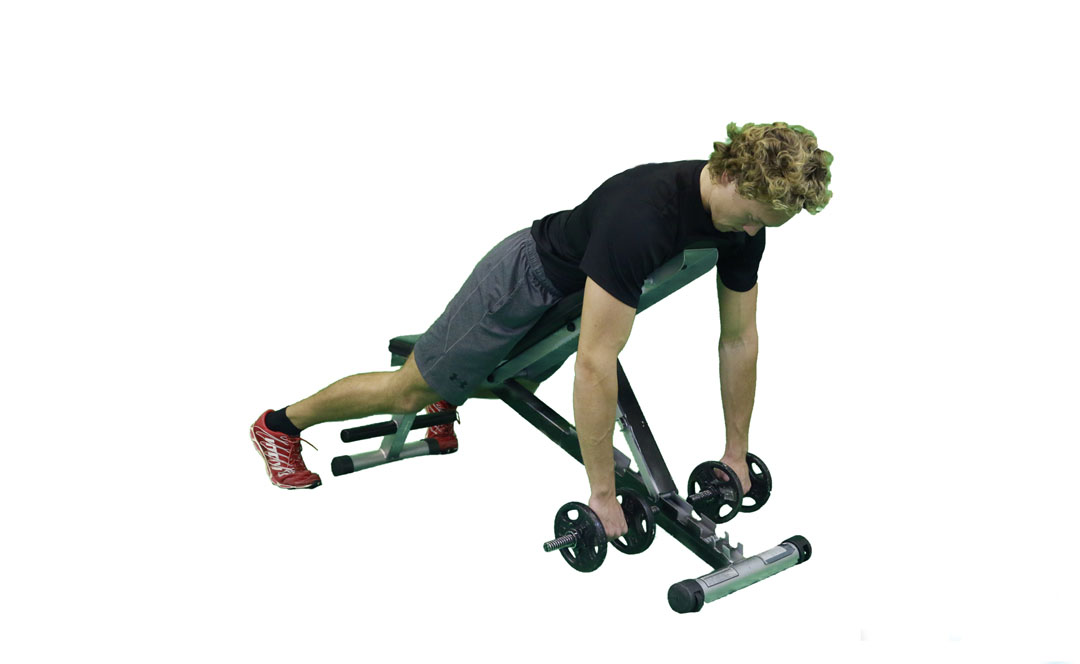
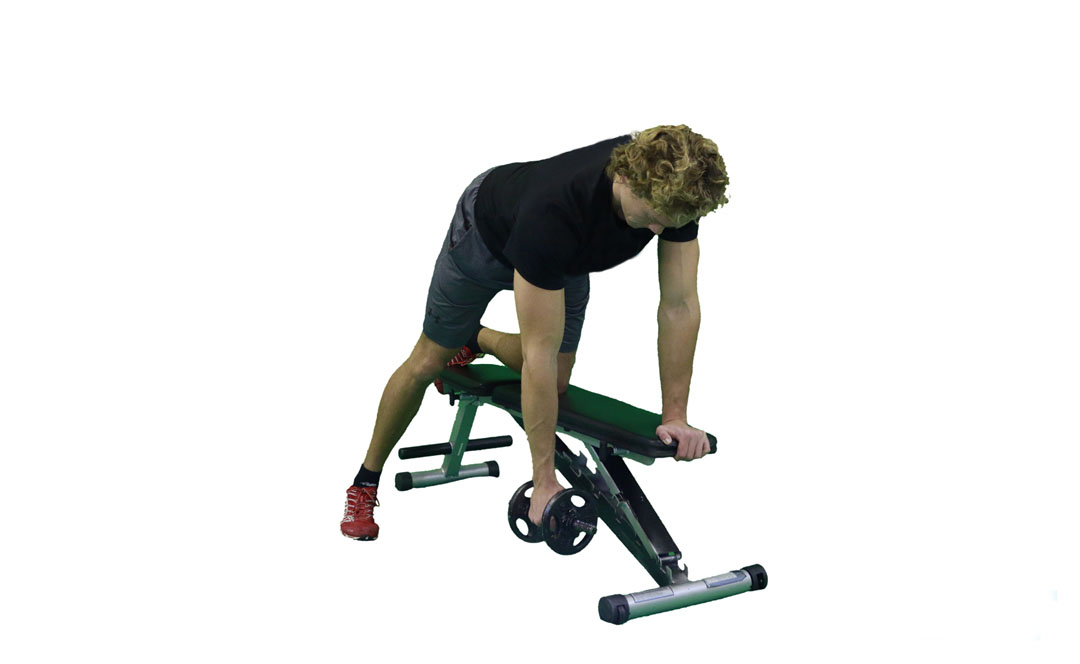
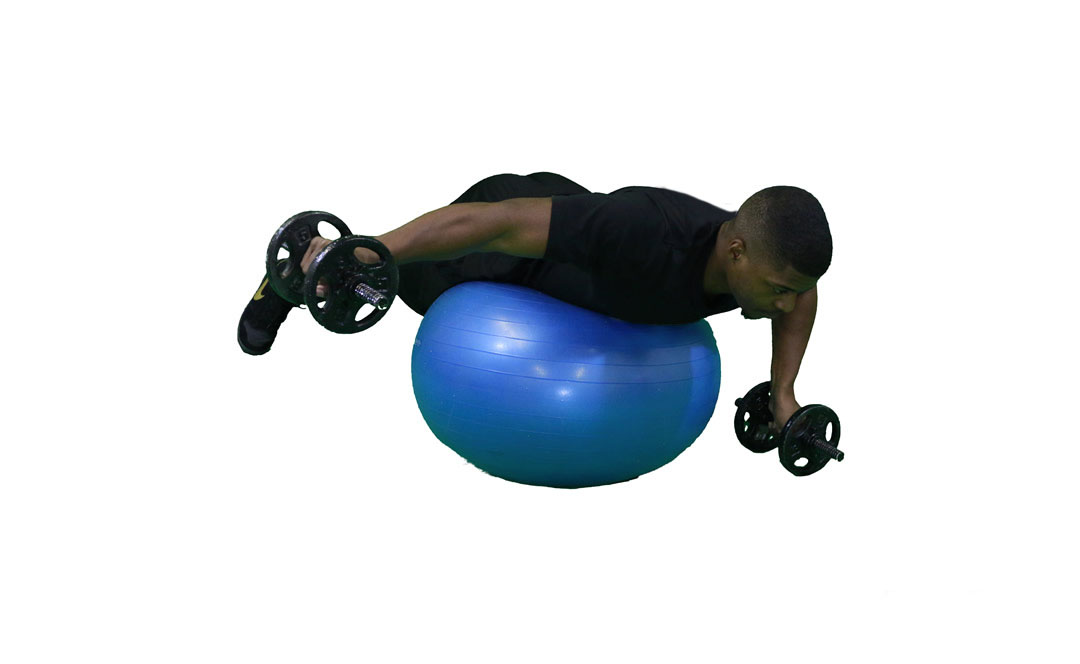
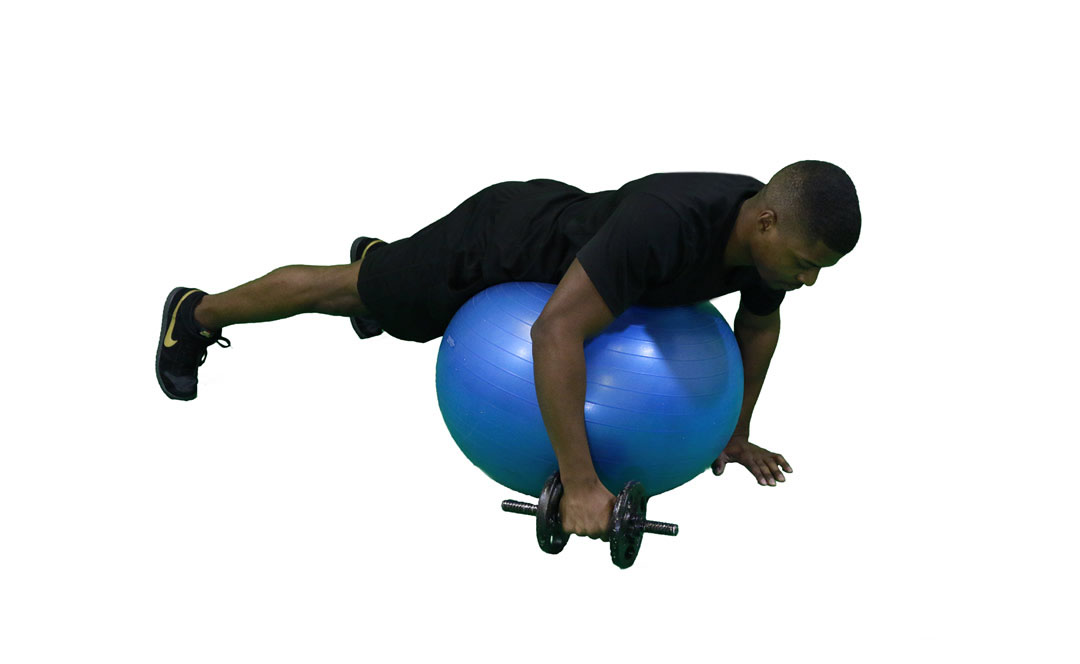
Demonstration
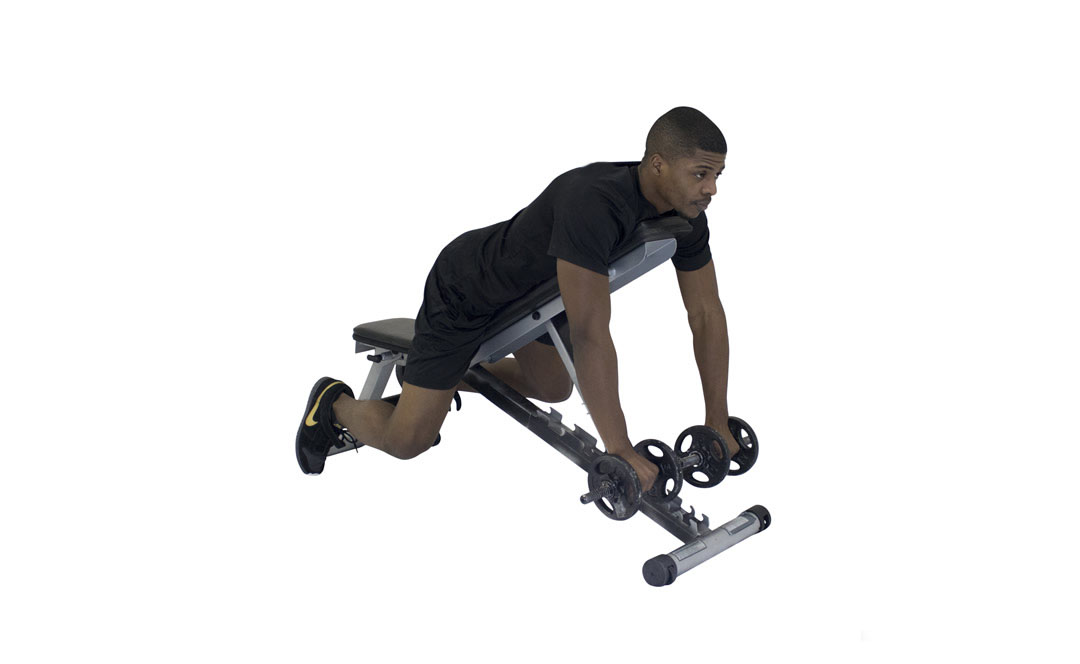
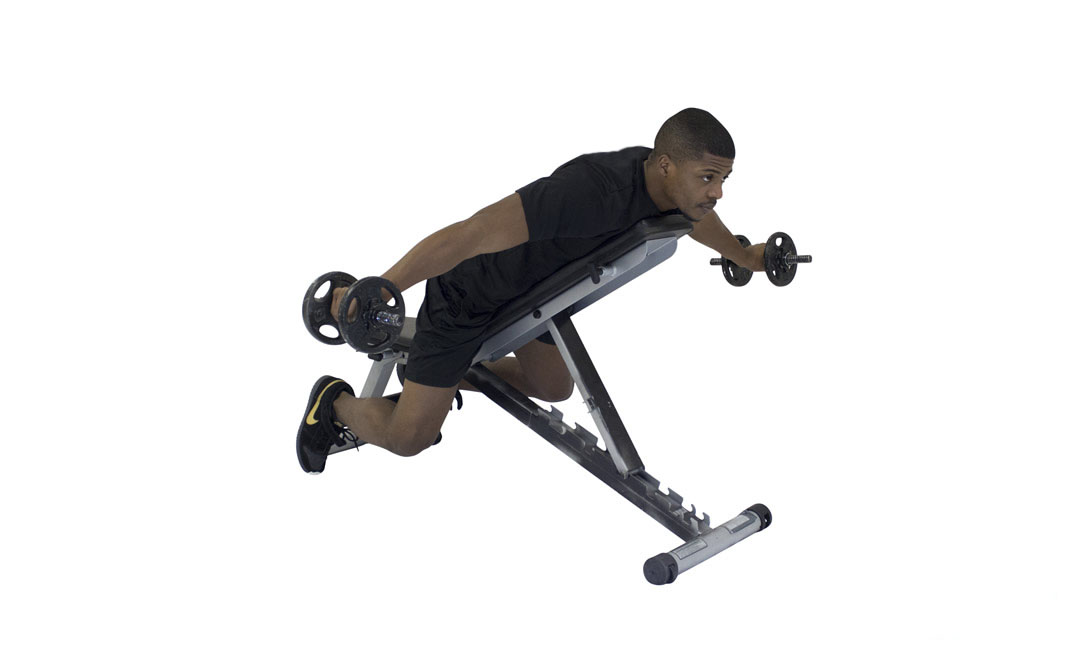
Instructions
- Set up: Hold a light dumbbell in each hand, stand with feet about hip-width apart, and hinge forward from the hips until your torso is close to parallel with the floor. Keep your spine long and neck neutral.
- Start position: Let the arms hang below the shoulders with a soft bend in the elbows and palms facing each other. Brace your abdomen and keep the chest open.
- Raise the dumbbells: Sweep the arms out and slightly back until the upper arms are roughly in line with the torso. Avoid shrugging the shoulders toward the ears.
- Externally rotate: At the top, rotate the shoulders so the forearms move upward and the palms turn more forward or upward, while keeping the elbows near shoulder height.
- Return with control: Reverse the rotation, then lower the dumbbells slowly to the start position without swinging the torso. Repeat using a light, controlled load.