Smart Workout Diary
Hip Hinge
The hip hinge is a fundamental bodyweight movement in which the hips move back and forward while the spine stays neutral. It teaches efficient loading of the glutes and hamstrings and is the foundation for exercises such as deadlifts. Practicing it improves posterior-chain strength, body awareness, and safe bending mechanics.
Demonstration

Instructions
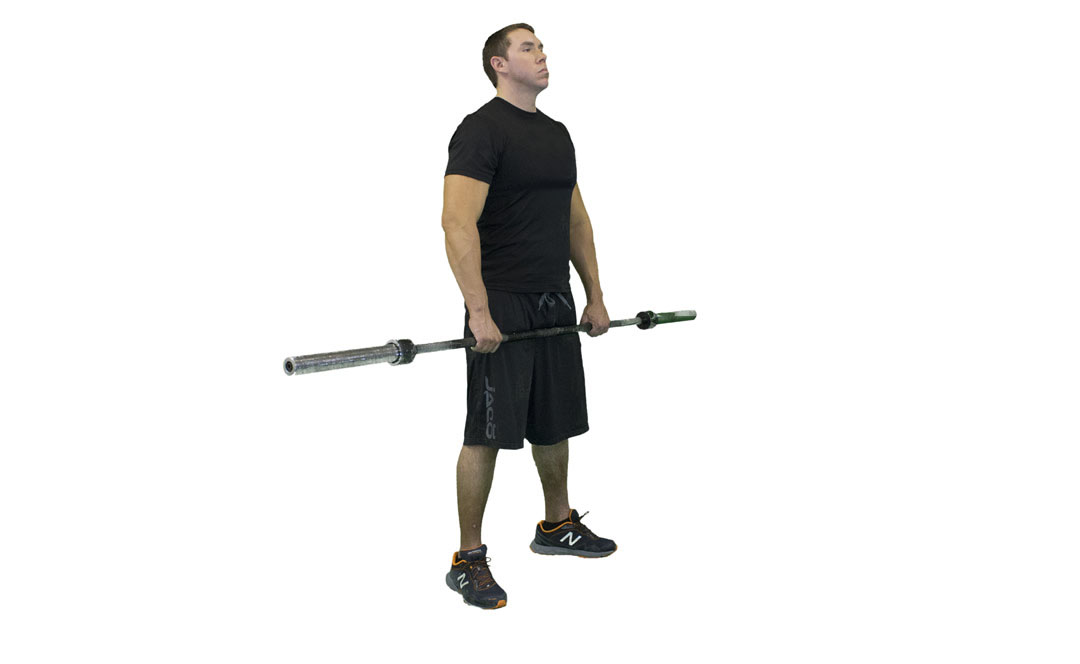
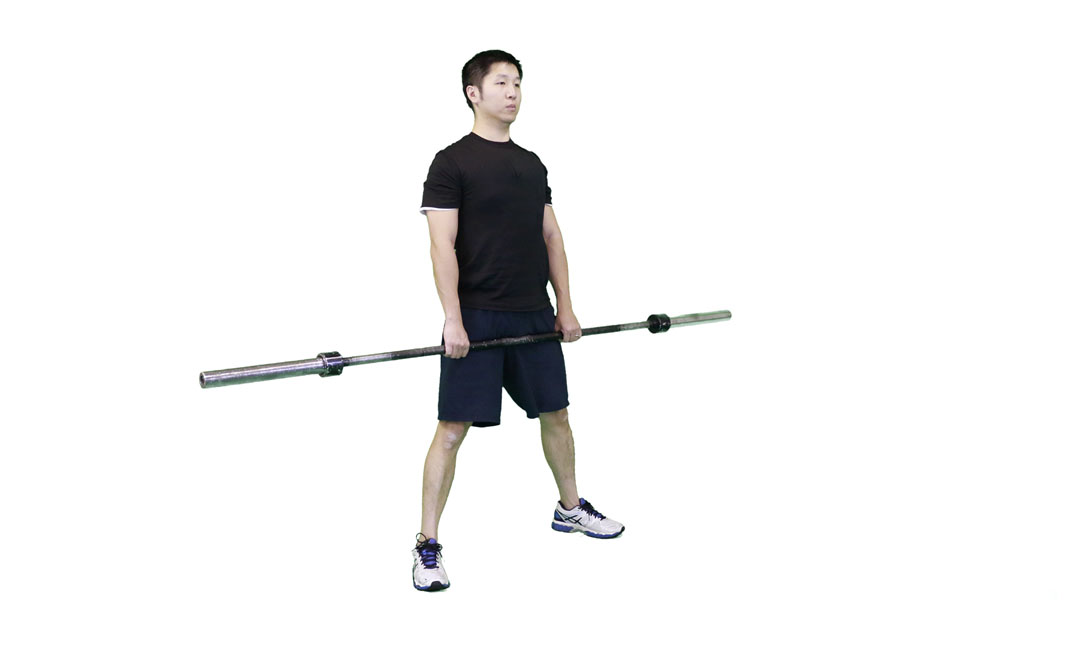
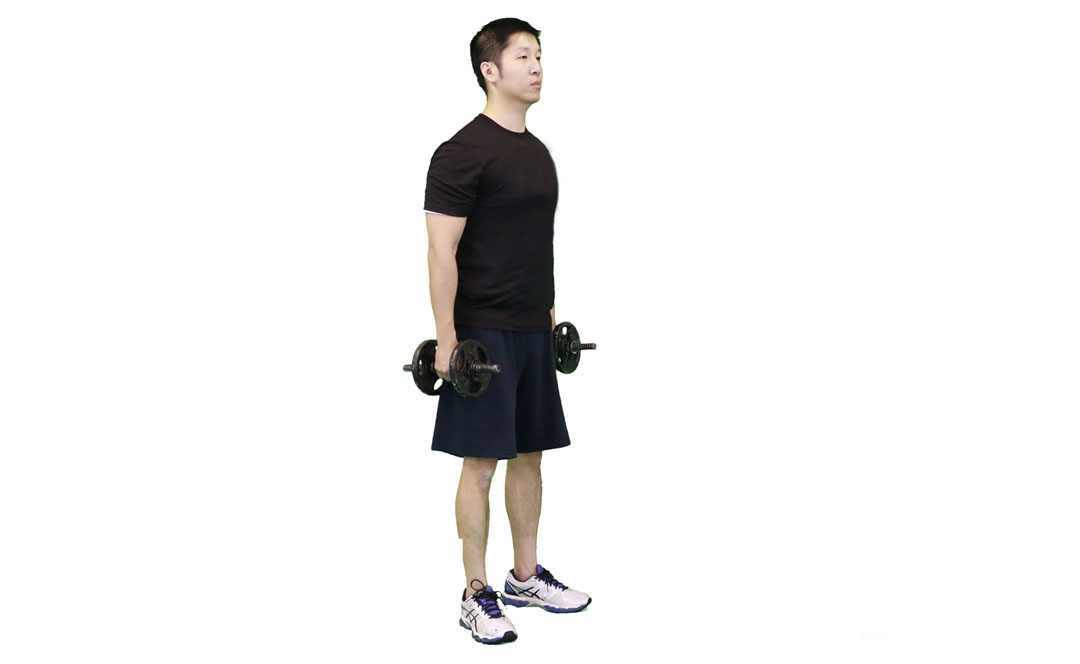
- Set up: Stand tall with feet about hip-width apart, knees soft, and arms relaxed at your sides or crossed over your chest.
- Brace: Gently tighten your abdominal muscles and keep your head, rib cage, and pelvis aligned in a neutral position.
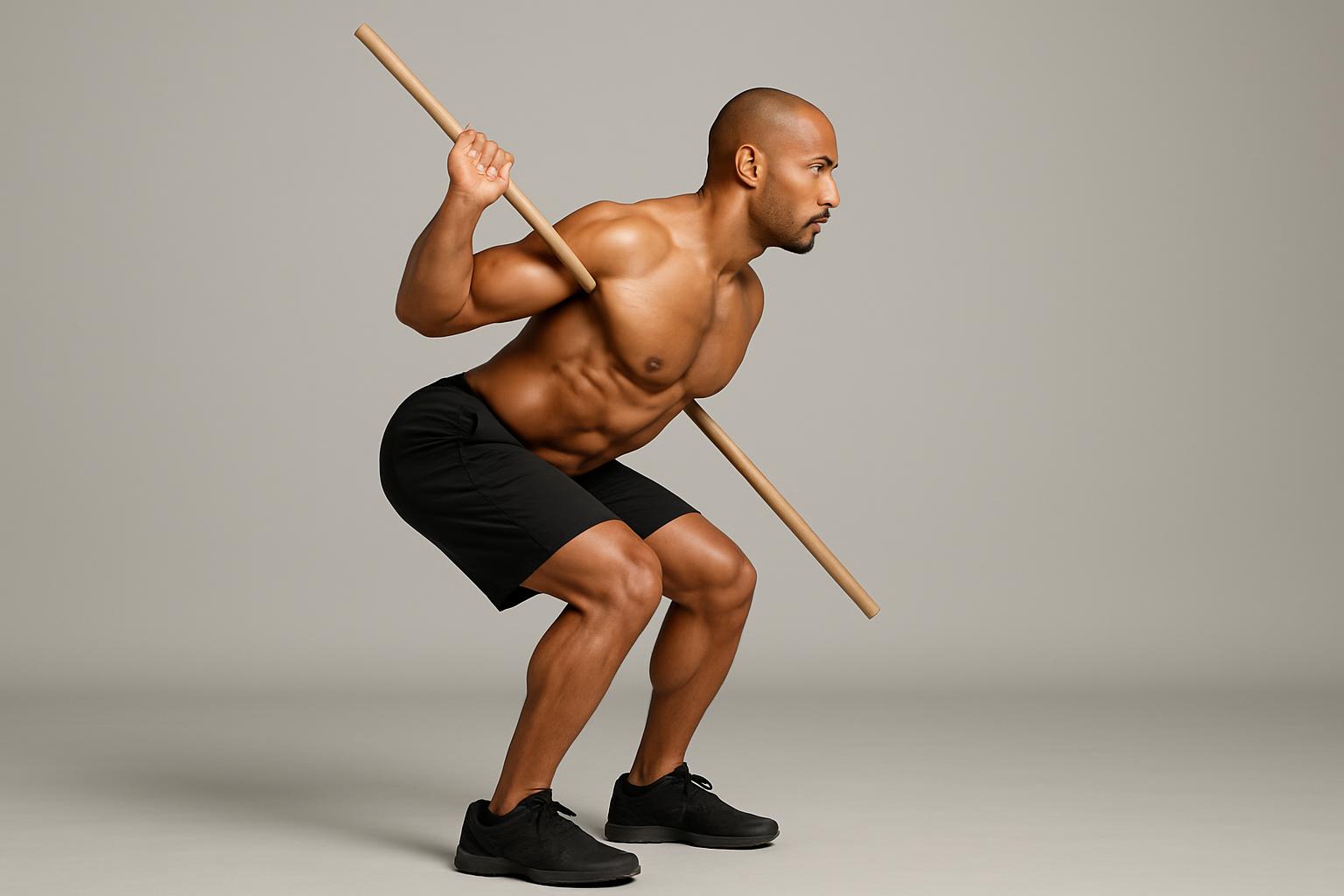
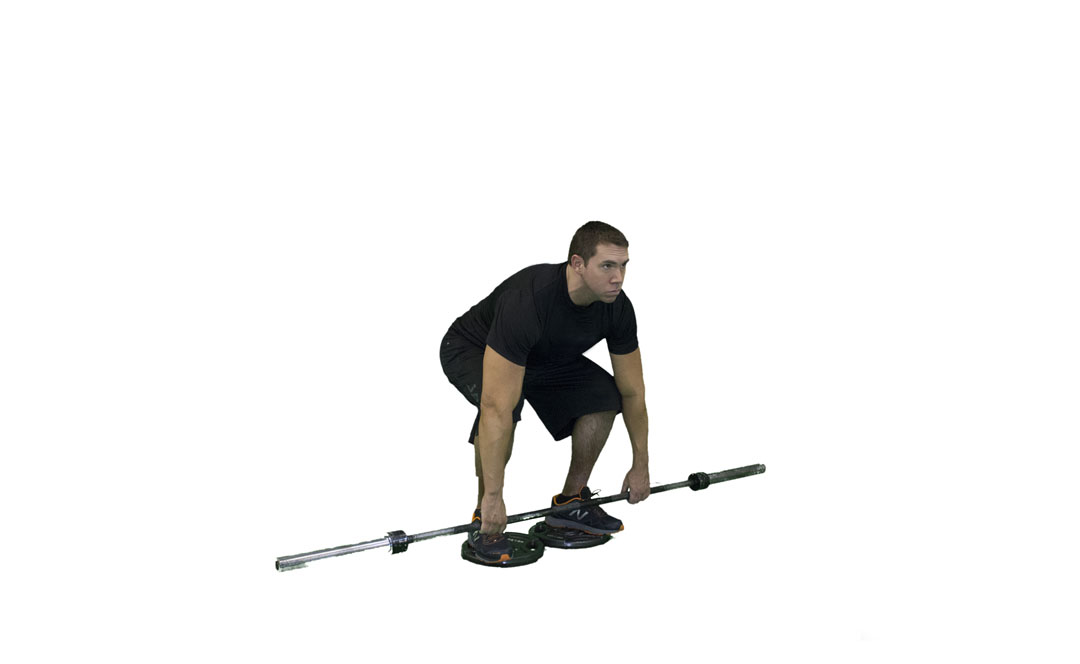
- Hinge back: Push your hips straight back as if reaching for a wall behind you. Let your torso tip forward from the hips while keeping the spine long and the shins nearly vertical.
- Feel the position: Stop when you feel a comfortable stretch in the hamstrings or when your torso is roughly parallel to the floor, without rounding the lower back.
- Return: Press your feet into the floor and drive the hips forward by squeezing the glutes until you are standing tall. Do not lean backward at the top.
- Repeat with control: Use a slow, comfortable range of motion. Stop if you cannot maintain a neutral spine or feel sharp pain.