Smart Workout Diary
Barbell Decline Bench Press Wide Grip
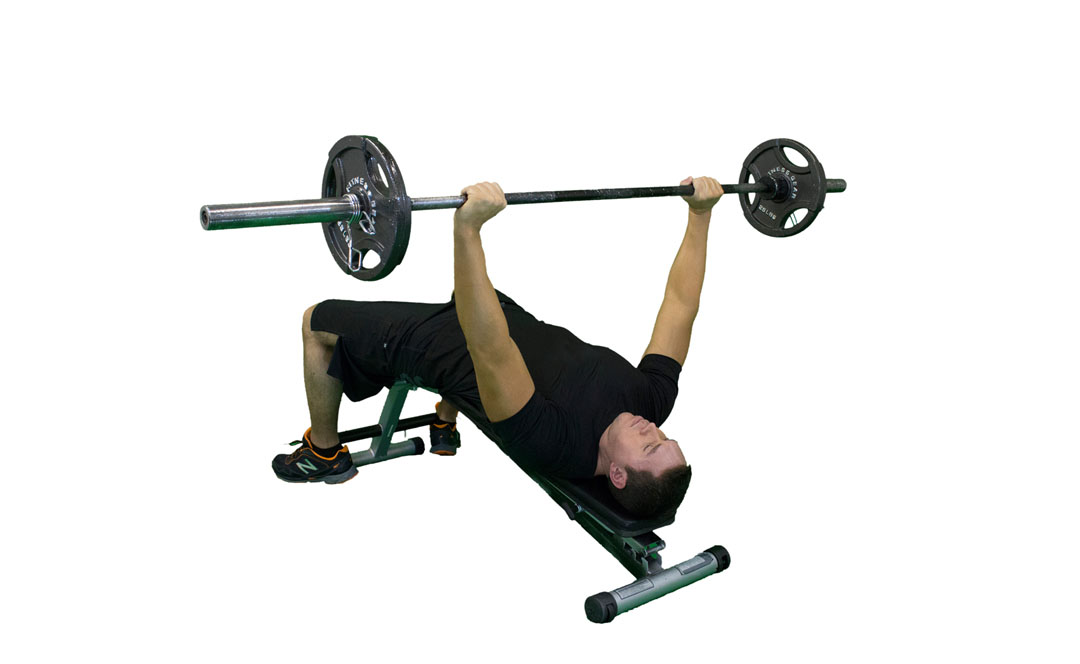
The wide-grip barbell decline bench press is a compound pressing exercise performed on a decline bench with the hands set wider than shoulder width. It primarily trains the chest, with emphasis on the lower chest, while the triceps and front shoulders assist. It supports upper-body pressing strength and chest muscle development.
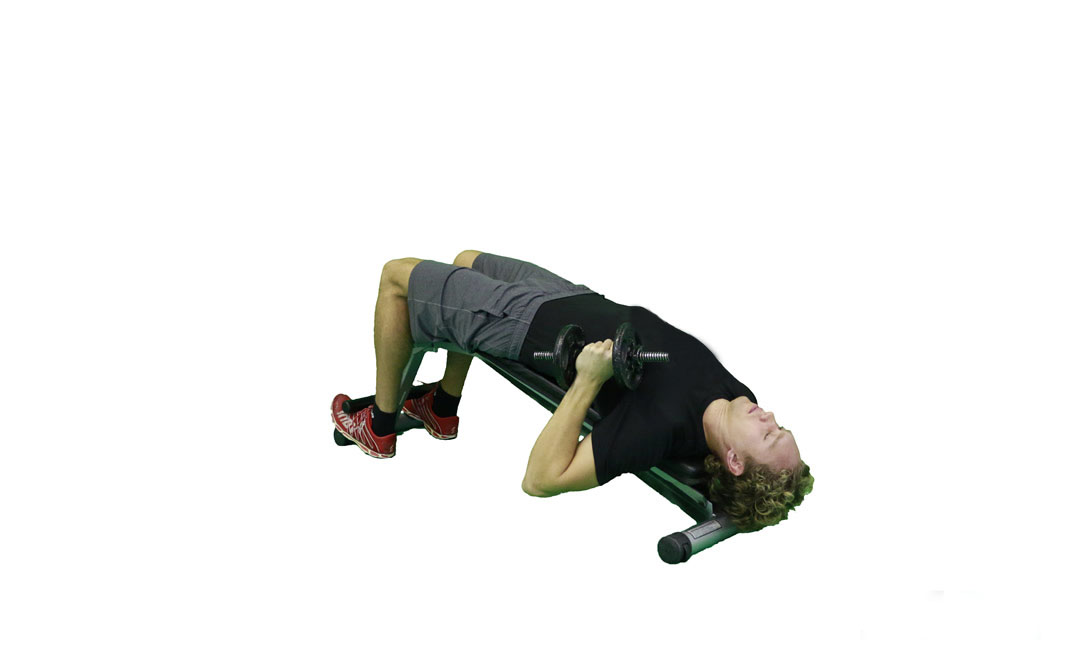
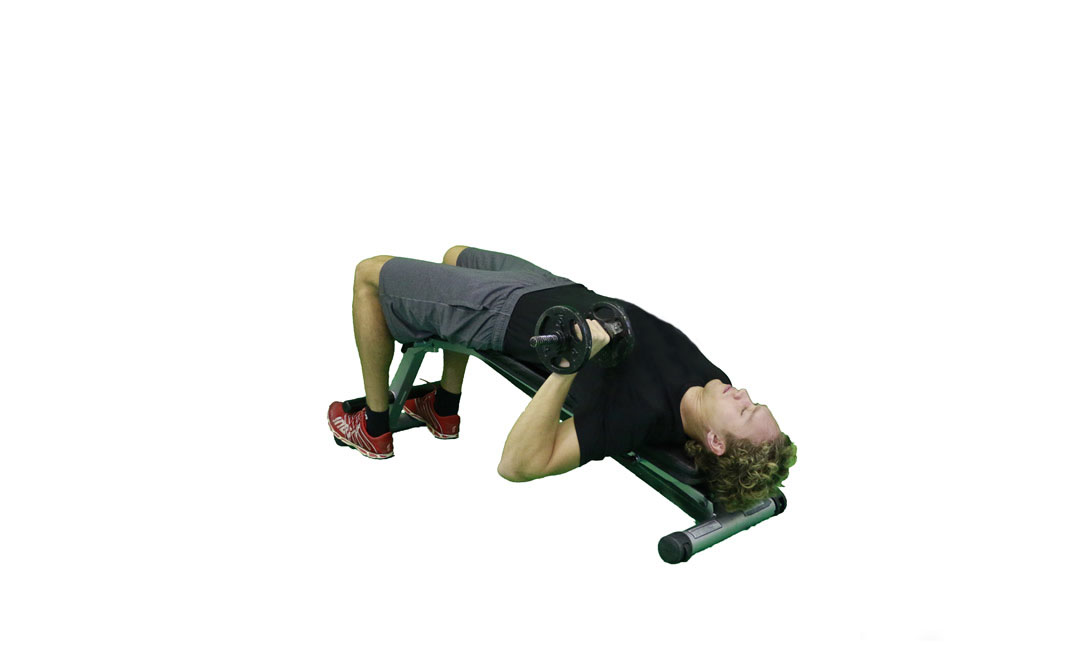
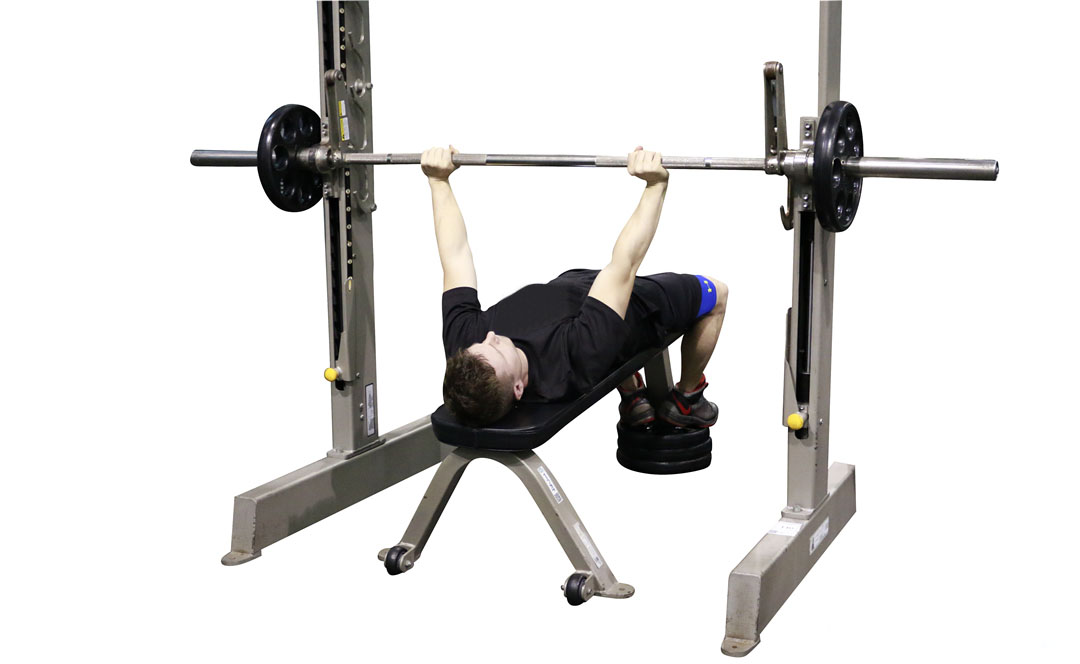
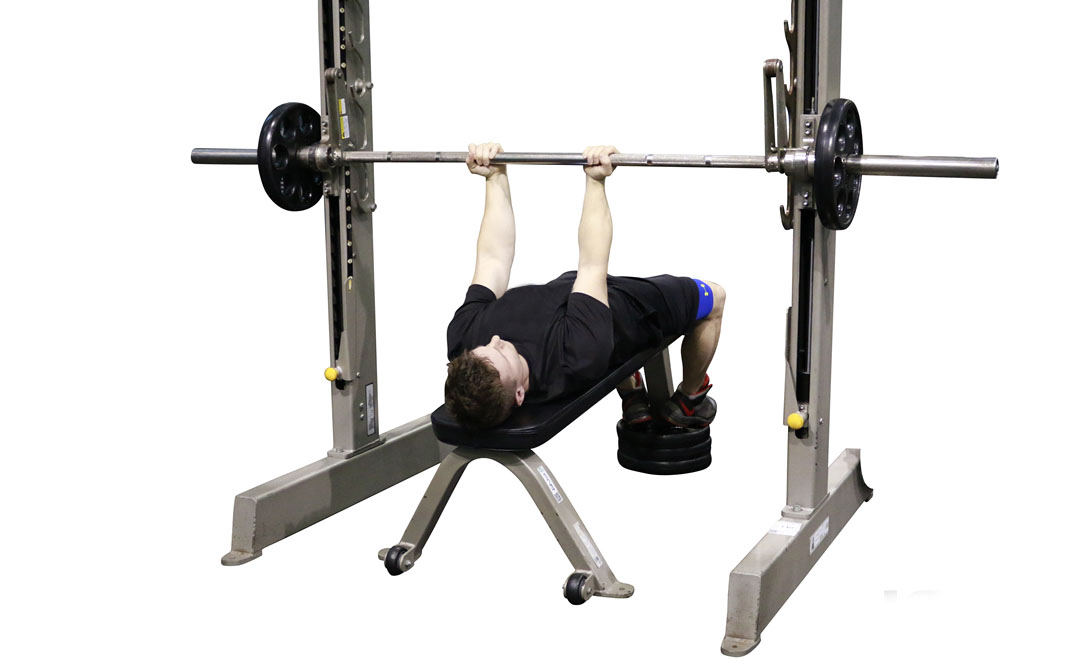
Demonstration
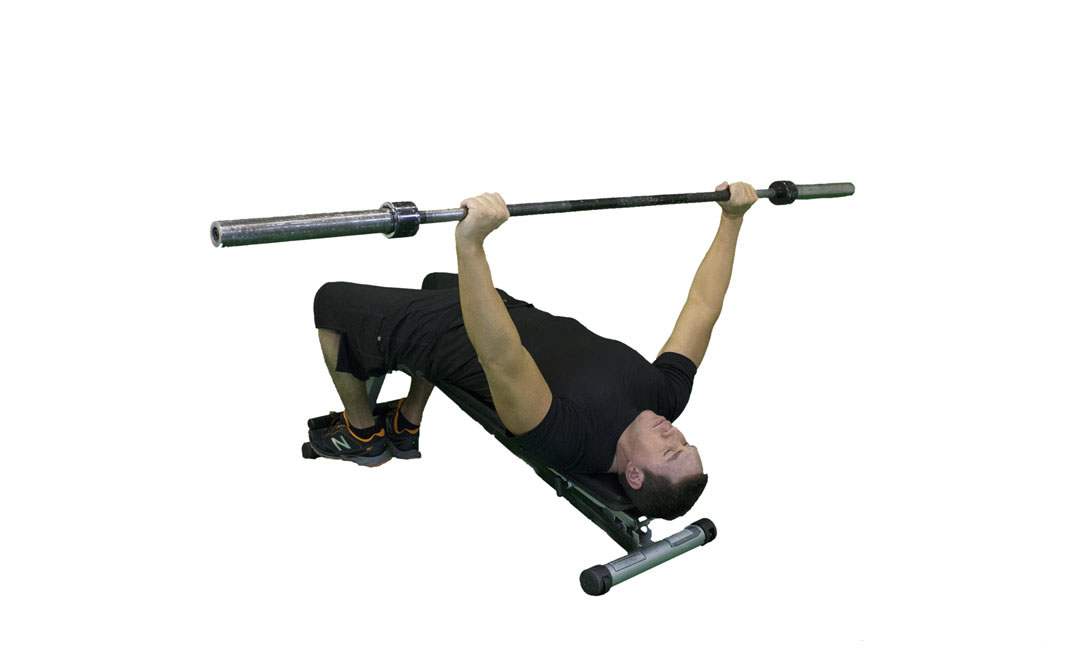
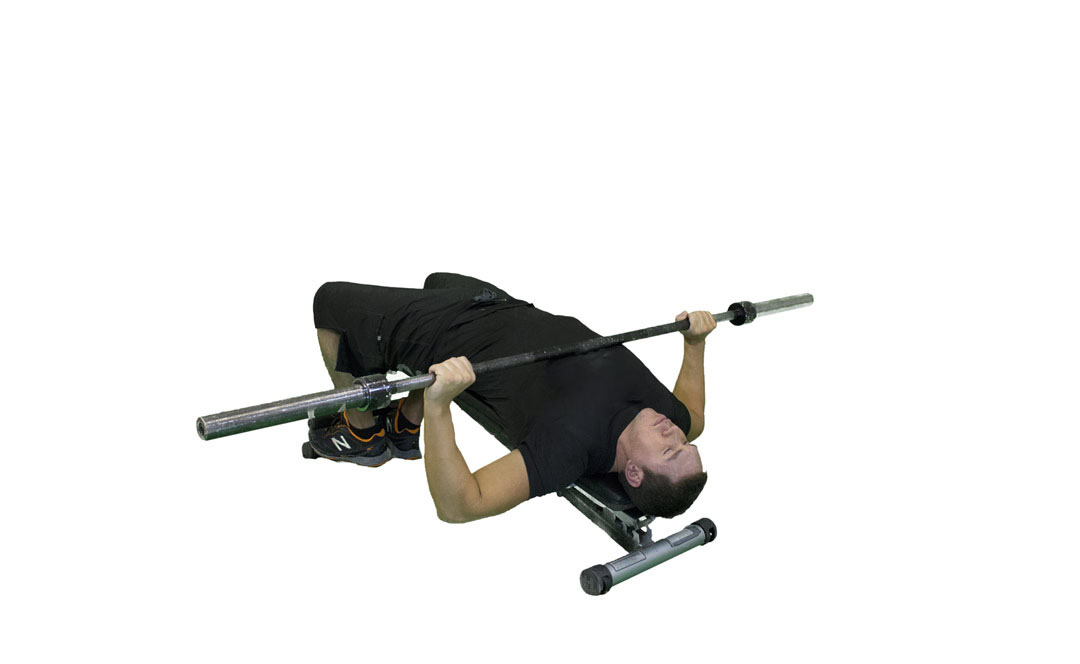
Instructions
- Set the bench: Secure a decline bench in a rack and adjust the foot pads so your legs are firmly anchored. Set the bar supports at a height you can reach without losing position.
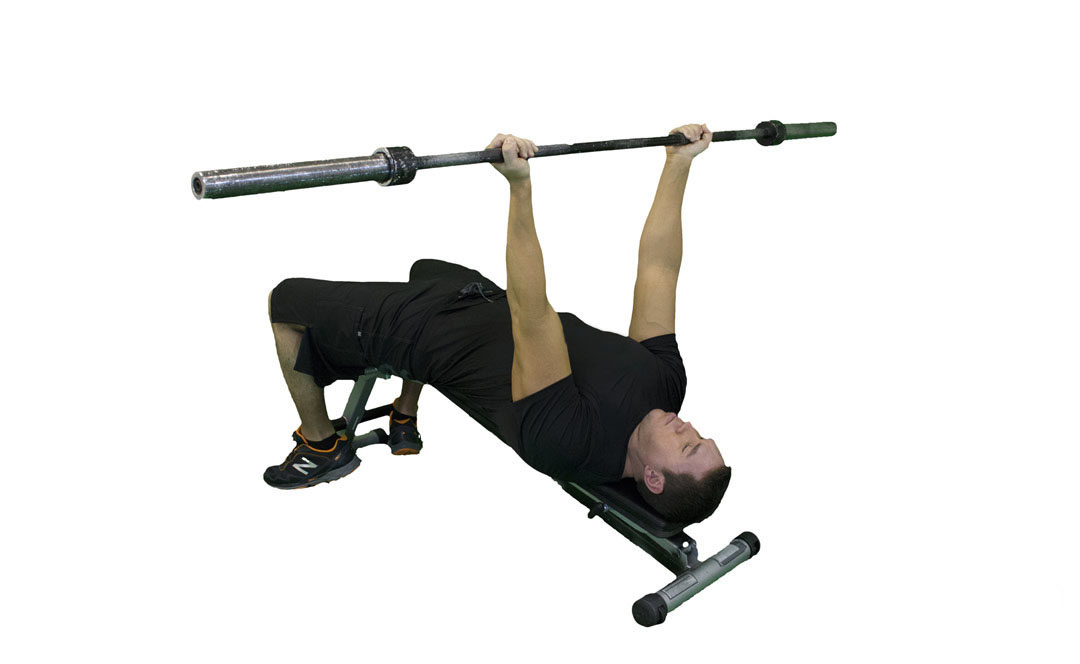
- Set up: Lie back with your feet locked under the pads, upper back and glutes in contact with the bench, and your head neutral. Grip the bar wider than shoulder width with wrists stacked over your forearms.
- Unrack carefully: Brace your abdomen, keep your shoulder blades pulled back and down, and lift the bar clear of the hooks. Hold it above the lower chest with straight, controlled elbows.
- Lower the bar: Inhale and lower the bar slowly to the lower chest, keeping your forearms close to vertical and elbows angled out moderately. Do not bounce the bar or let the shoulders roll forward.
- Press and re-rack: Exhale as you press the bar upward to straight arms, keeping the bar path controlled. Return the bar to the rack only after both ends are securely on the hooks; use a spotter for challenging sets.