Smart Workout Diary
Barbell Front Squat
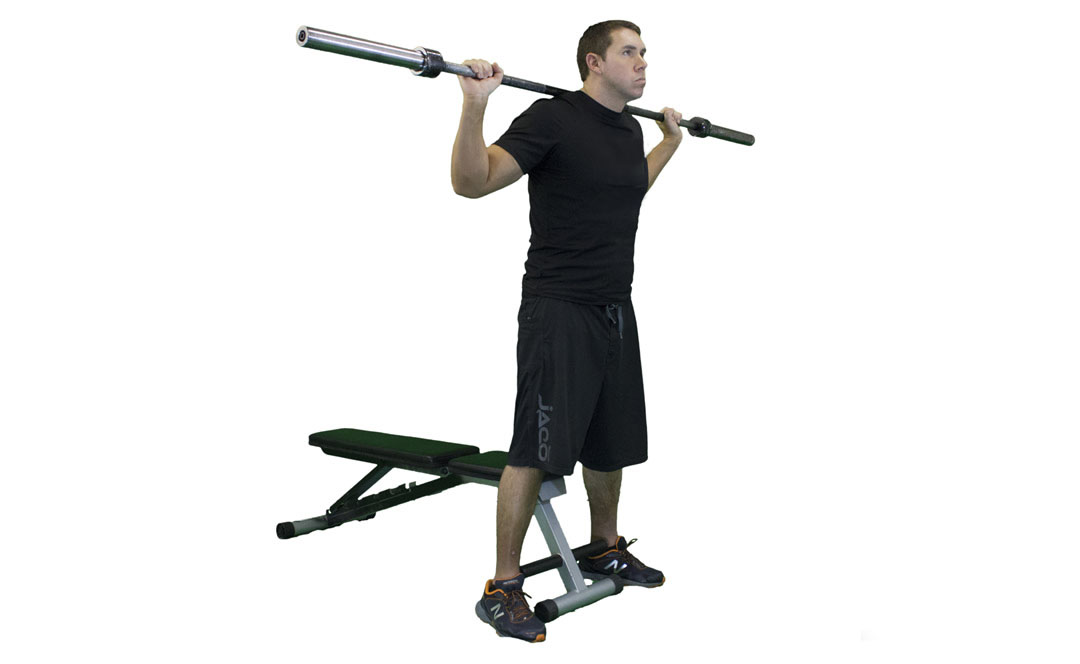
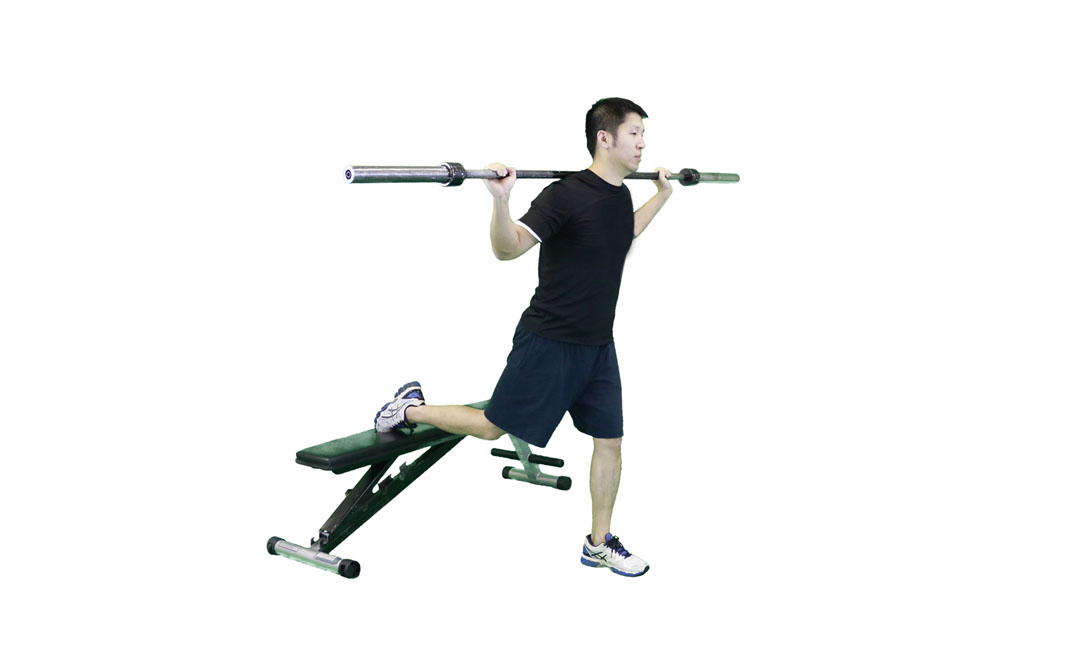
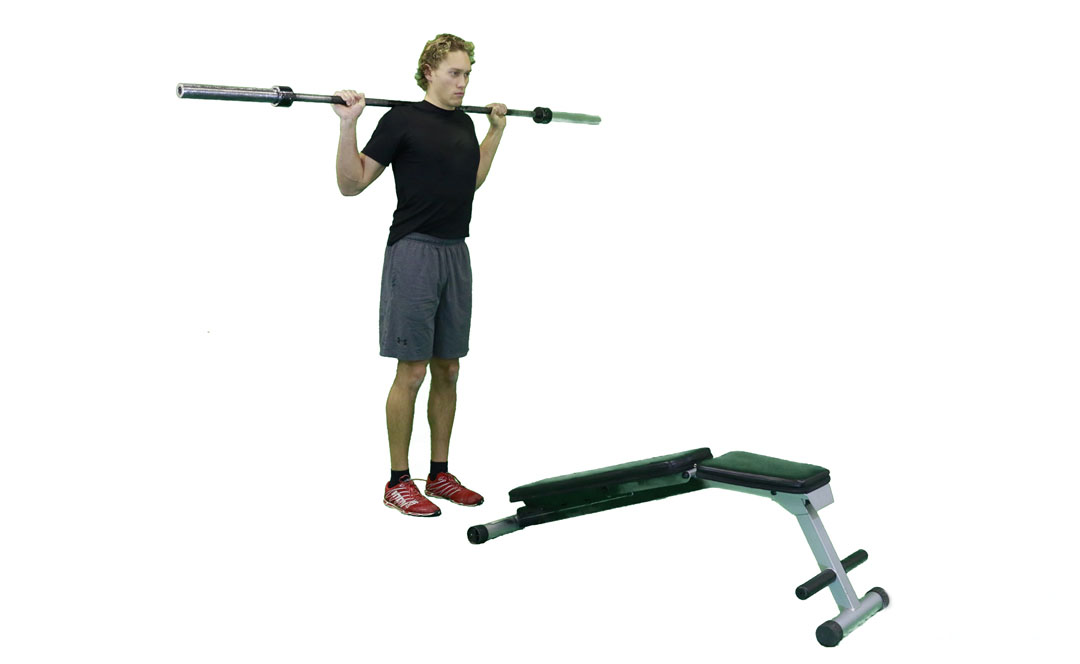
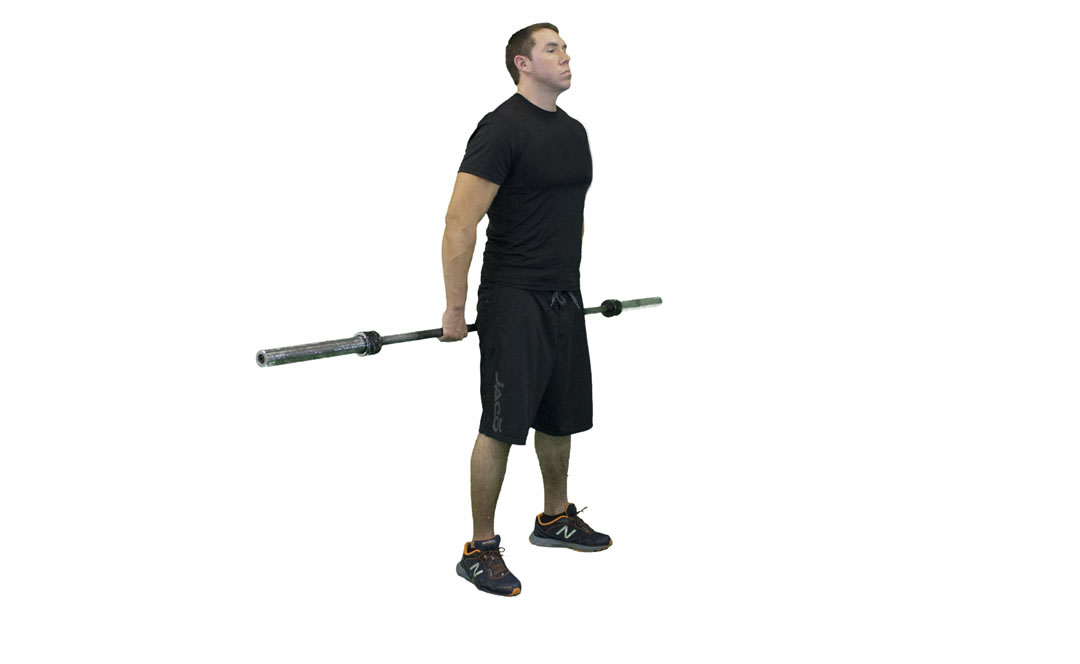
The barbell front squat is a compound lower-body exercise performed with the bar resting across the front of the shoulders. It primarily trains the quadriceps and also challenges the glutes, core, and upper back to maintain an upright torso. It supports leg strength, squat mechanics, and overall lower-body muscle development.
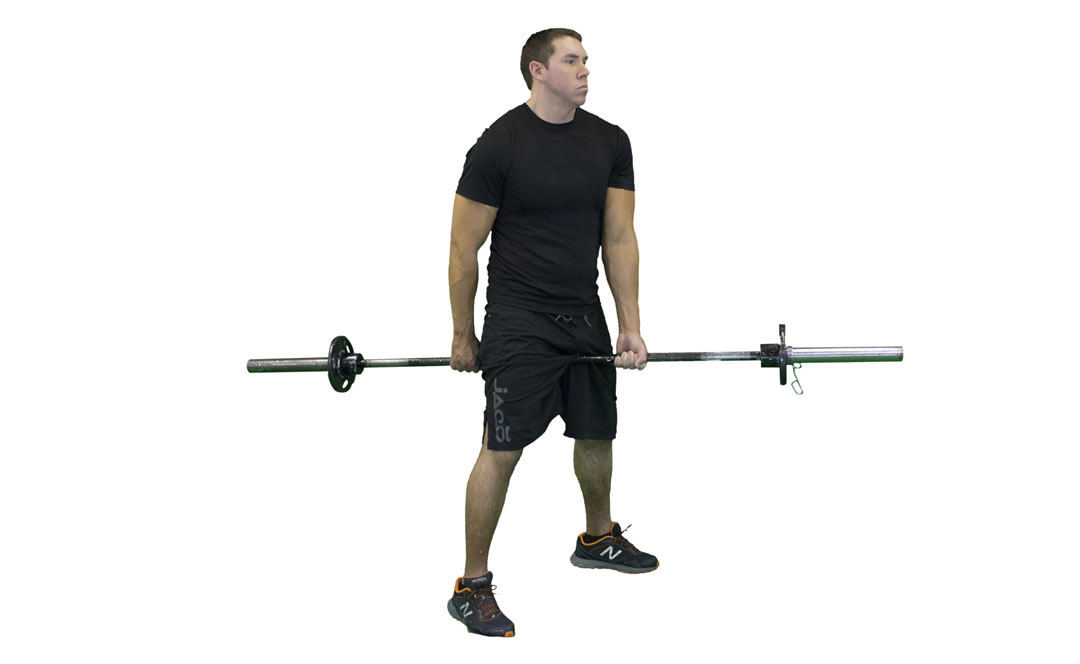
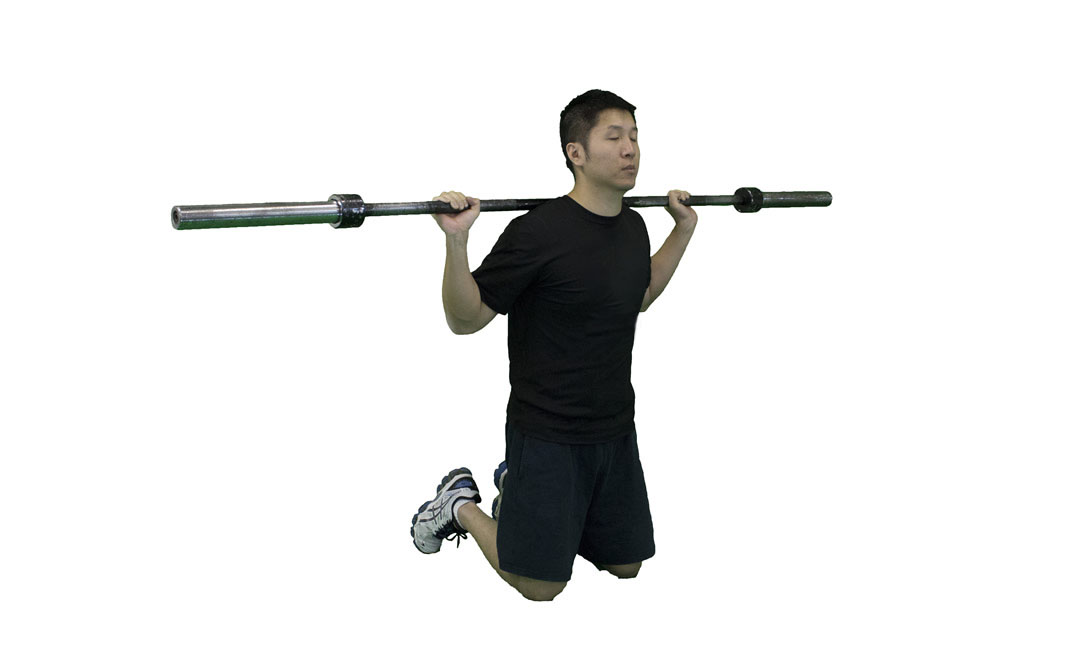
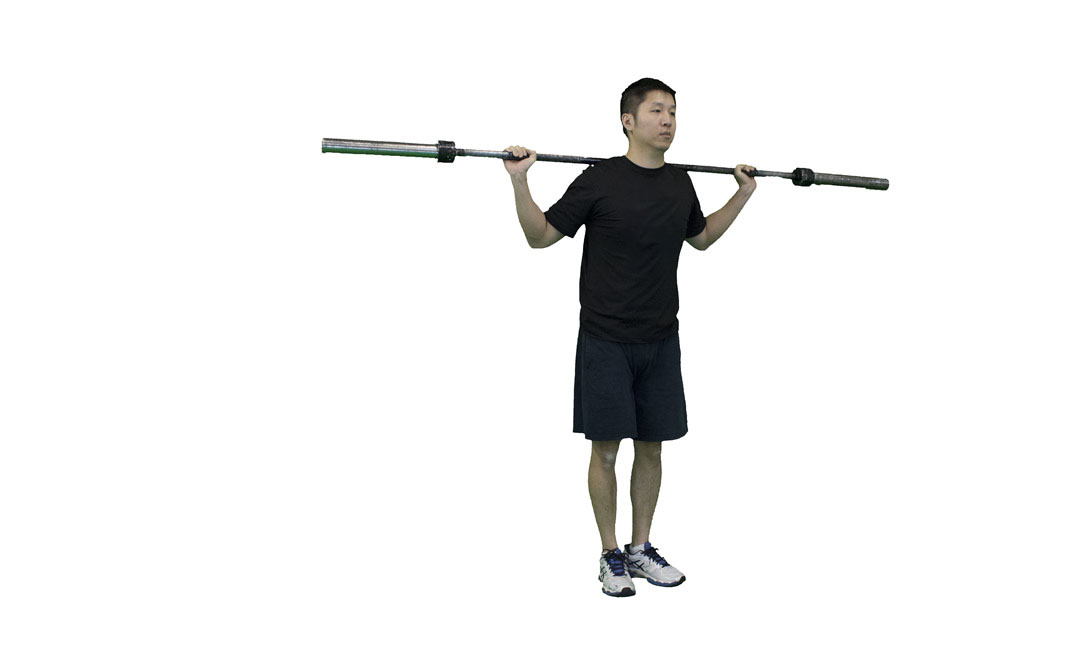
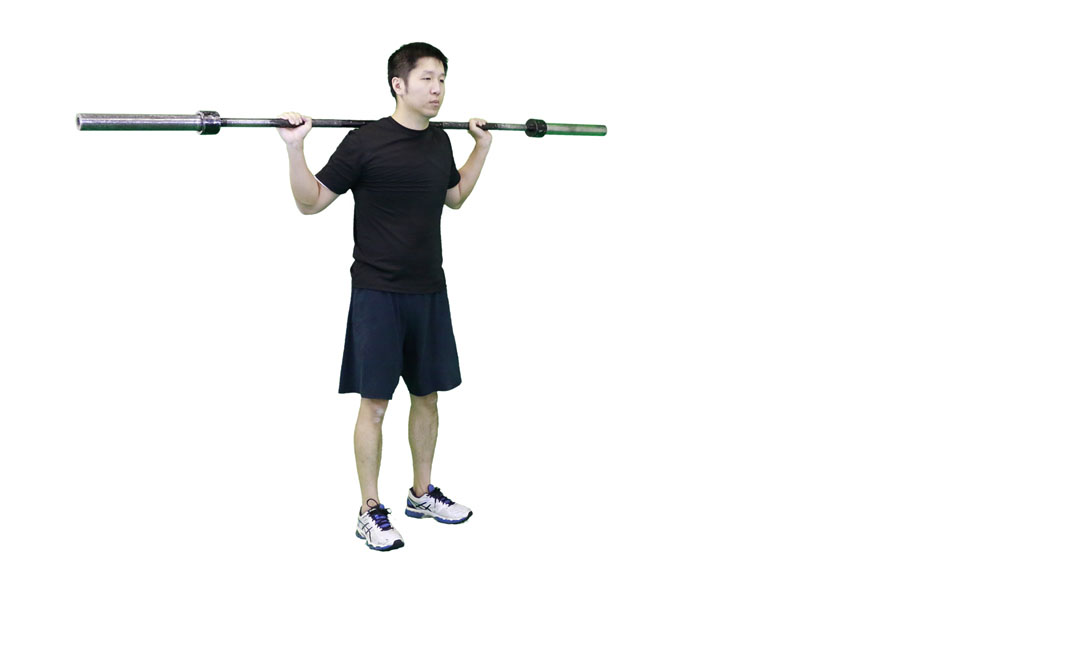
Demonstration
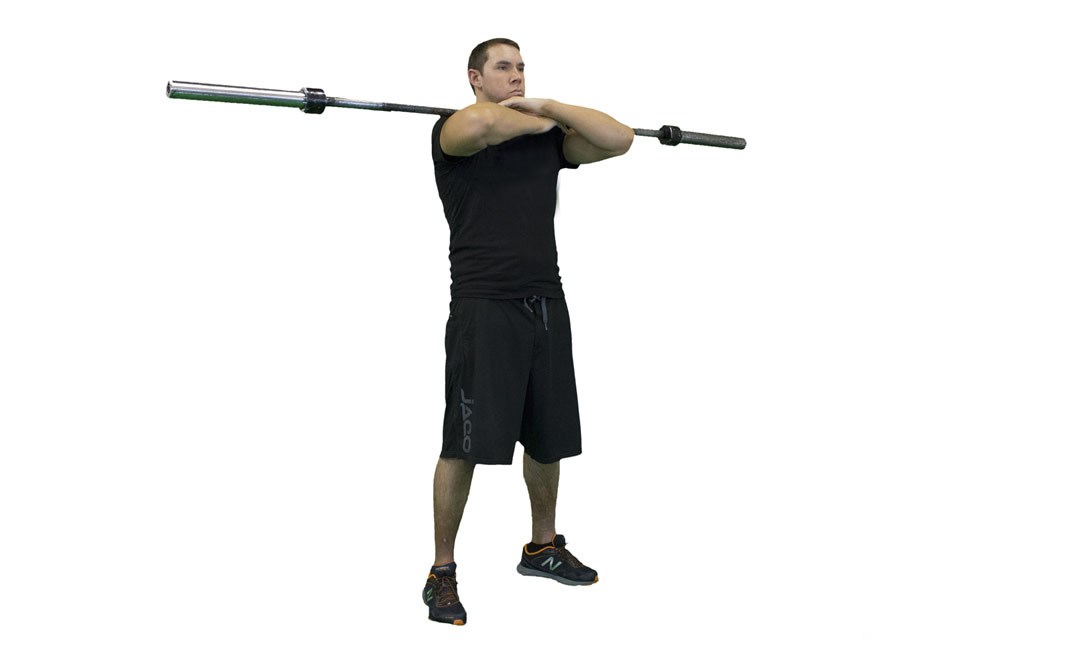
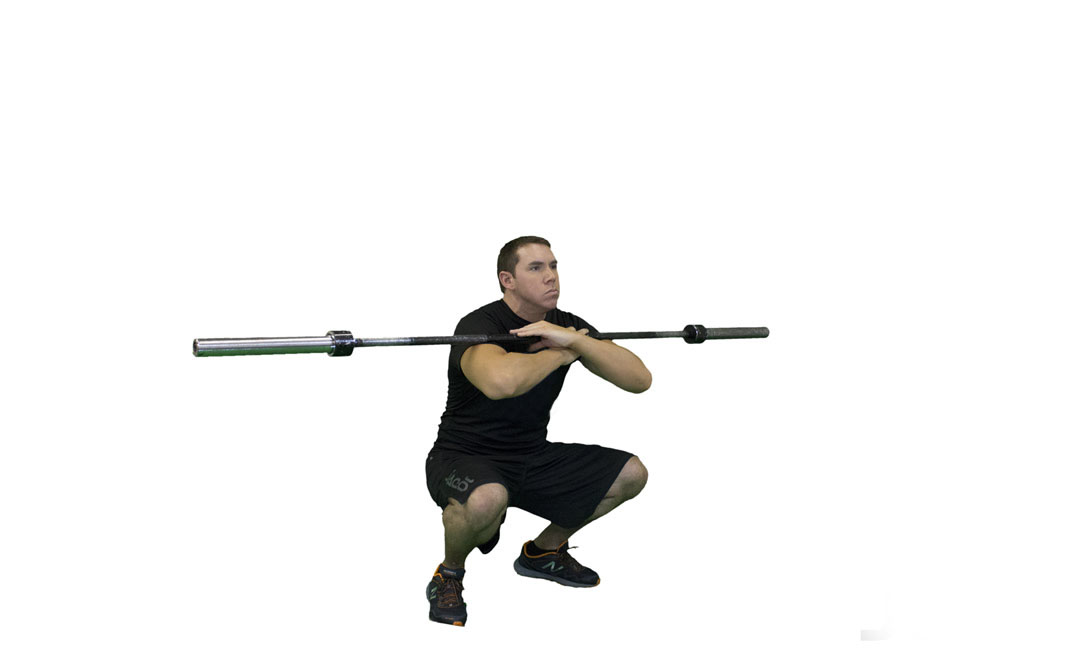
Instructions
- Set a barbell in a rack around upper-chest height and use a load you can control. Step close to the bar and place it across the front of your shoulders, not on your hands.
- Use a clean-style grip with fingers under the bar and elbows high, or cross your arms over the bar if needed. Stand tall, brace your abdomen, and unrack by stepping back carefully.
- Place your feet about shoulder-width apart with toes turned slightly outward. Keep your chest lifted, elbows high, and weight balanced over the middle of your feet.
- Inhale and sit down between your hips and knees, allowing your knees to track in line with your toes. Keep your heels down and maintain a neutral spine.
- Descend only as far as you can while keeping the bar secure, your torso controlled, and your heels planted.
- Drive through the mid-foot and heel to stand, extending the knees and hips together. Exhale near the top and finish tall without leaning back.
- After the set, walk forward until the bar contacts the rack, then lower it securely onto the supports. Use safety pins or a qualified spotter when appropriate.