Smart Workout Diary
Cable Lat Pulldown
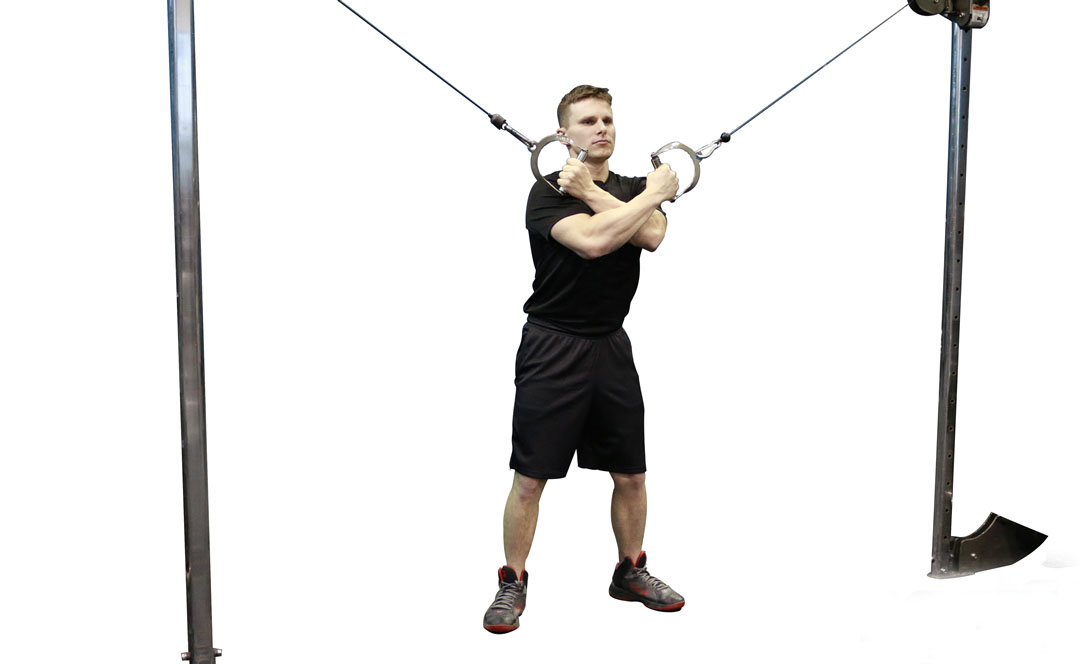
The cable lat pulldown is a vertical pulling exercise performed on a cable strength machine. It primarily trains the latissimus dorsi, with help from the upper back, biceps, and forearms. It supports upper-body pulling strength, back muscle development, and improved control of shoulder-blade movement.
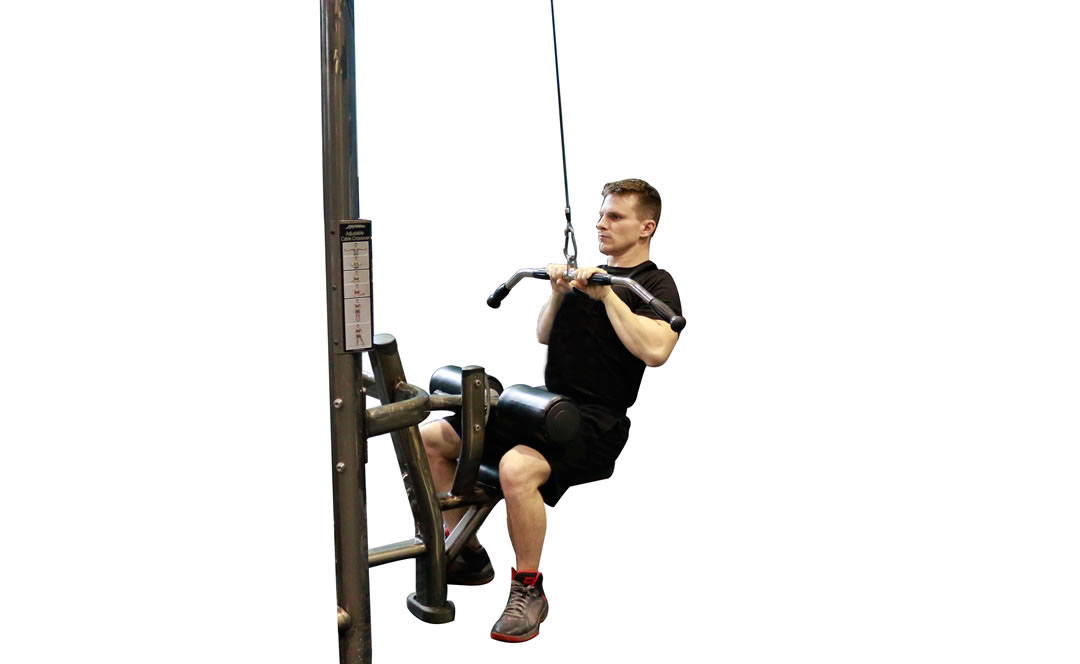
Demonstration
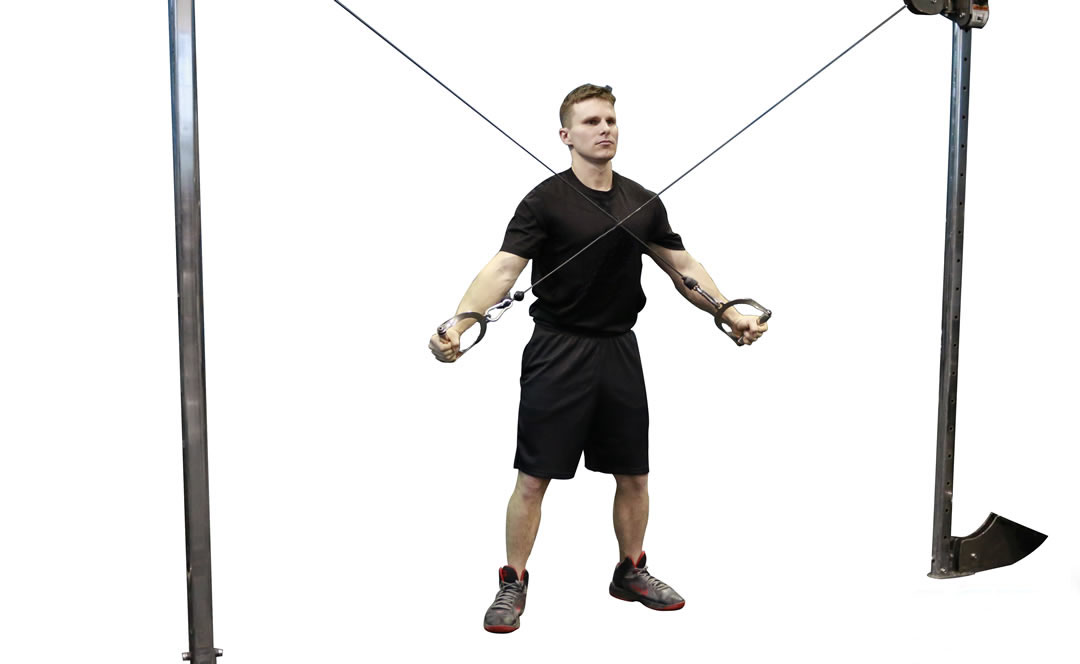
Instructions
- Set the machine: Attach a wide pulldown bar to the high cable and select a load you can control without leaning or jerking.
- Take your position: Sit facing the machine, secure your thighs under the pads, and place your feet firmly on the floor. Grip the bar slightly wider than shoulder width with an overhand grip.
- Establish posture: Sit tall with a neutral spine, lift your chest slightly, and keep your ribs controlled. Let the shoulders rise naturally at the top without rounding your lower back.
- Pull the bar down: Begin by drawing your shoulder blades down, then pull your elbows toward your sides until the bar reaches the upper chest or collarbone area. Keep the torso mostly upright with only a small natural lean back.
- Return with control: Slowly extend your arms and allow the bar to travel upward until the elbows are straight and the shoulders are comfortably elevated. Do not let the weight stack slam.
- Repeat safely: Keep your neck neutral and avoid pulling the bar behind your head. Stop or reduce the load if you cannot maintain controlled shoulder and spinal positions.