Smart Workout Diary
Basketball
Basketball is a team court sport involving running, jumping, changing direction, passing, dribbling, and shooting. It primarily develops cardiovascular fitness while also challenging the legs, shoulders, coordination, agility, and reaction time. Playing regularly can support overall conditioning, sport skills, and movement endurance.
Demonstration


Instructions
- Warm up with light jogging, dynamic leg movements, and gentle shoulder and wrist mobility before playing.
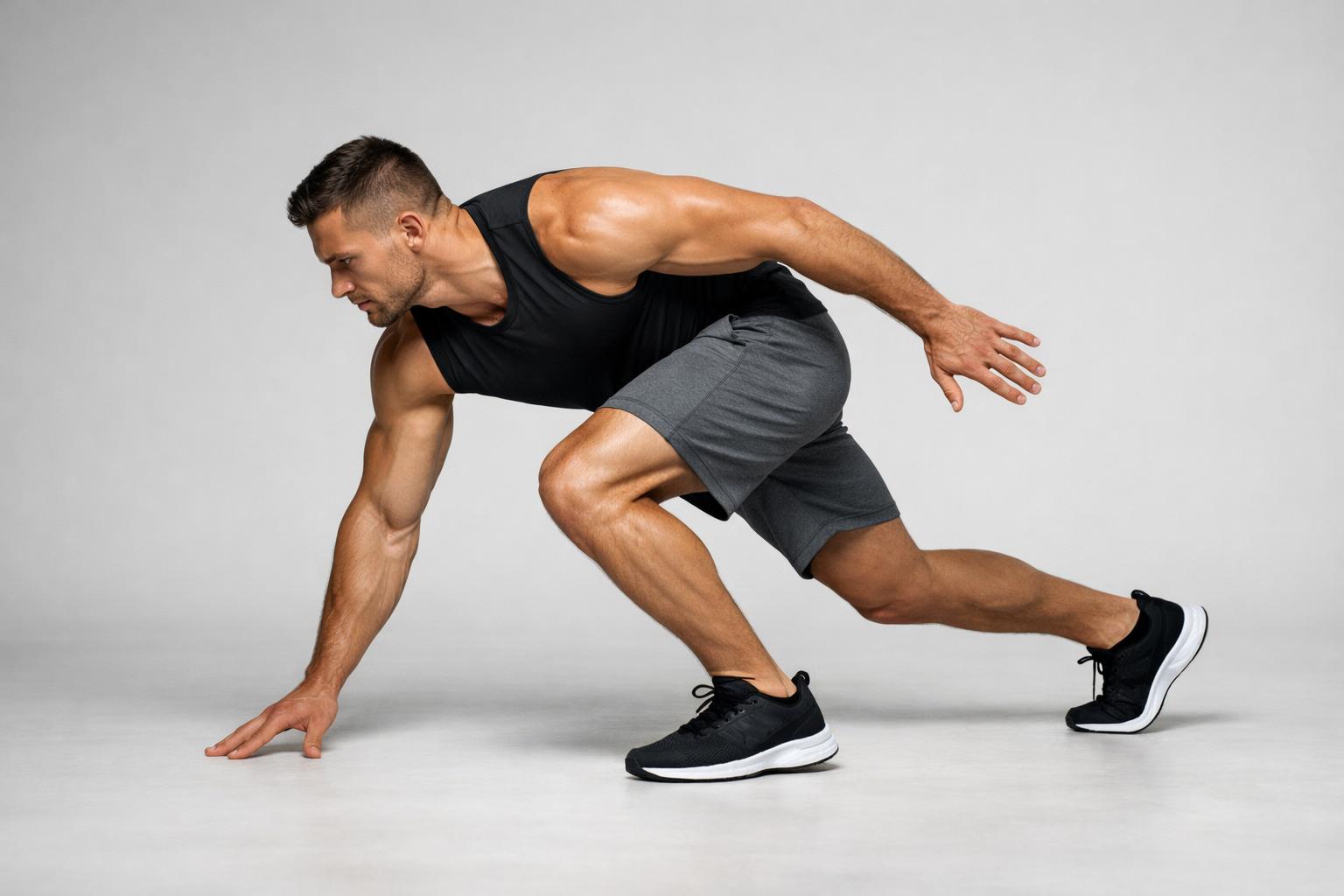
- Use an athletic stance: keep your knees and hips slightly bent, feet about shoulder-width apart, chest up, and eyes scanning the court.
- Dribble with control by using your fingertips rather than your palm; keep the ball low when defended and protect it with your body.
- Pass and shoot with balance: step toward your target, keep your torso controlled, and follow through smoothly rather than forcing the ball.
- Change direction safely by lowering your hips, planting the outside foot under control, and avoiding abrupt twisting on a planted knee.
- Land from jumps softly with bent hips and knees, knees tracking over the toes, and weight distributed through both feet when possible.
- Cool down with easy walking and light movement after play, especially following a high-intensity game.