Smart Workout Diary
Inline Skating
Inline skating is a continuous wheeled activity performed on inline skates, using repeated leg pushes to travel forward. It primarily develops cardiovascular endurance while training the glutes, legs, calves, and balance. It can support aerobic fitness, lower-body endurance, coordination, and recreational conditioning.
Demonstration
Instructions
- Choose a smooth, open surface free of traffic, loose gravel, wet patches, and obstacles. Wear properly fitted inline skates and secure the closures.
- Use protective equipment: wear a helmet, wrist guards, knee pads, and elbow pads before starting.
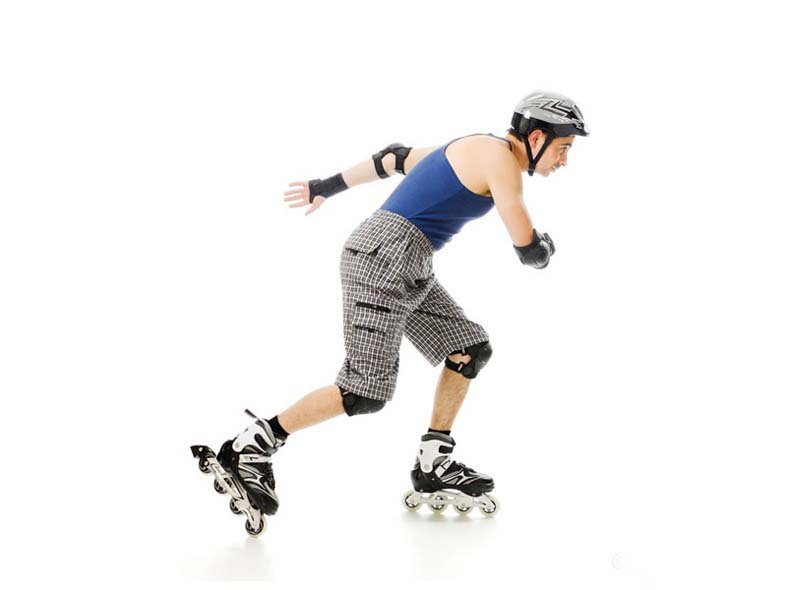
- Stand with feet about hip-width apart, knees softly bent, chest lifted, and torso slightly inclined forward. Keep your arms relaxed in front of you for balance.
- Begin with short, controlled pushes: glide on one skate while pushing the other leg diagonally outward, then bring it back underneath your body and switch sides.
- Maintain a low, stable stance and look ahead rather than down at your skates. Let your arms swing naturally without crossing excessively.
- To slow down, bend your knees further and use the heel brake gradually if your skates have one. Practice stopping at low speed before skating faster or on longer routes.